On a busy construction site, the difference between a safe day and a costly incident often comes down to a 10-minute conversation. That conversation is the tool box talk—and when done right, it’s not just routine. It’s a critical safety intervention. Yet, too many teams treat it as a checkbox, recycling the same vague warnings without relevance or engagement. This is where a strong tool box talk example makes all the difference.
A well-crafted tool box talk doesn’t just inform—it connects, clarifies, and prepares workers for real hazards they’ll face that day. It’s concise, relevant, and actionable. Below, we break down what makes an effective tool box talk, provide real examples, and offer practical templates you can adapt immediately.
What Is a Tool Box Talk?
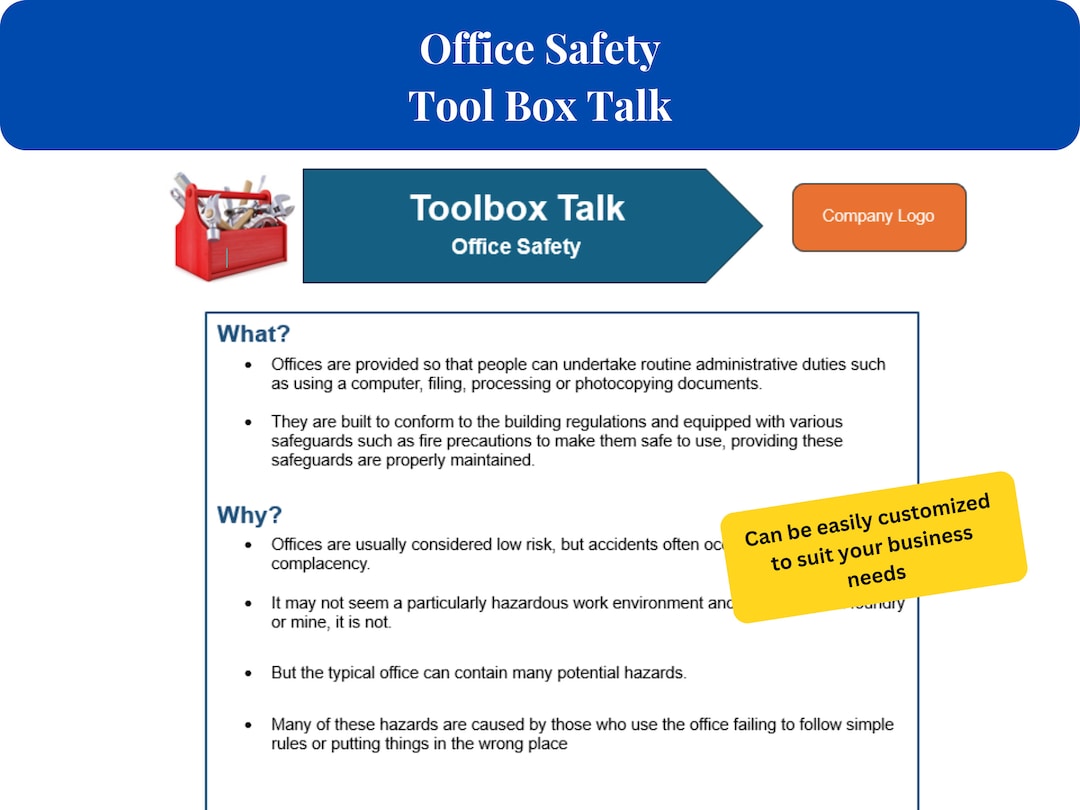
A tool box talk is a short safety meeting—typically 5 to 15 minutes—held at the job site before work begins. It focuses on a specific hazard, procedure, or safety topic relevant to the day’s tasks. These talks are most common in construction, manufacturing, utilities, and oil and gas, but they’re valuable in any high-risk environment.
Unlike formal training sessions, tool box talks are informal, interactive, and designed to reinforce safe behavior in real time. They’re not replacements for safety training but supplements to keep safety top of mind.
Key characteristics of an effective tool box talk:
- Focused on one topic
- Led by a supervisor or safety officer
- Includes worker participation
- Takes place where the work happens
- Ends with clear takeaways
When done poorly, tool box talks become monologues, ignored by workers and undocumented by management. But when rooted in real examples and daily conditions, they build a culture where safety is spoken—not posted.
Why Most Tool Box Talks Fail
Many teams run tool box talks that fail to move the needle on safety. Common issues include:
- Generic content: Talking about “slips and falls” every Thursday with no link to current site conditions.
- One-way delivery: No questions, no discussion—just a safety officer reading from a script.
- Lack of follow-up: No documentation, no accountability, no tracking.
- Poor timing: Held when workers are rushing to start or already fatigued.
The result? Workers tune out. Supervisors check the box. And hazards go unaddressed.
A powerful tool box talk example avoids these pitfalls by being timely, targeted, and practical. It answers the worker’s silent question: How does this affect me today?
Real Tool Box Talk Example: Working at Height
Here’s a concise, realistic tool box talk example you can use or adapt:
Topic: Fall Protection When Working on Scaffolding Duration: 10 minutes Leader: Site Supervisor Attendees: 8 crew members
Discussion:
"Today we’re setting up scaffolding on Level 3 for exterior cladding. Falls are the leading cause of serious injury in our industry. Last month, a crew nearby had a near-miss when a guardrail was improperly secured. Let’s make sure that doesn’t happen here.
Key Points: - All scaffolding must be inspected before use. Look for loose planks, missing guardrails, or unstable bases. - Harnesses must be worn and tied off when working at 6 feet or higher. - No climbing on guardrails or using ladders on platforms. - Tools must be secured with lanyards—dropped objects are a hazard below.
Questions for the team: - Has anyone noticed damage to the scaffold from yesterday? - Who’s responsible for the pre-use check? - Any concerns about access or working conditions today?
Action Items: - John will inspect the scaffold and tag it before work begins. - Everyone double-checks their harness and lanyard attachment. - Report any issues immediately—no exceptions.
Let’s keep each other safe. Any final questions? Good. Let’s get to work."
This example works because it’s: - Specific to the day’s task - Based on a real near-miss - Includes direct worker involvement - Ends with clear actions
Contrast this with a generic talk like “Always wear PPE,” and the difference in impact is obvious.
Common Topics and When to Use Them
Choose tool box talk topics based on current risks, not a rotating schedule. Here are high-impact examples with real-world context:
#### 1. Hot Work and Fire Safety Use before welding, grinding, or any operation generating sparks. Example: “We’re welding on the north side today. Flammable insulation is 10 feet away. What steps do we take?”
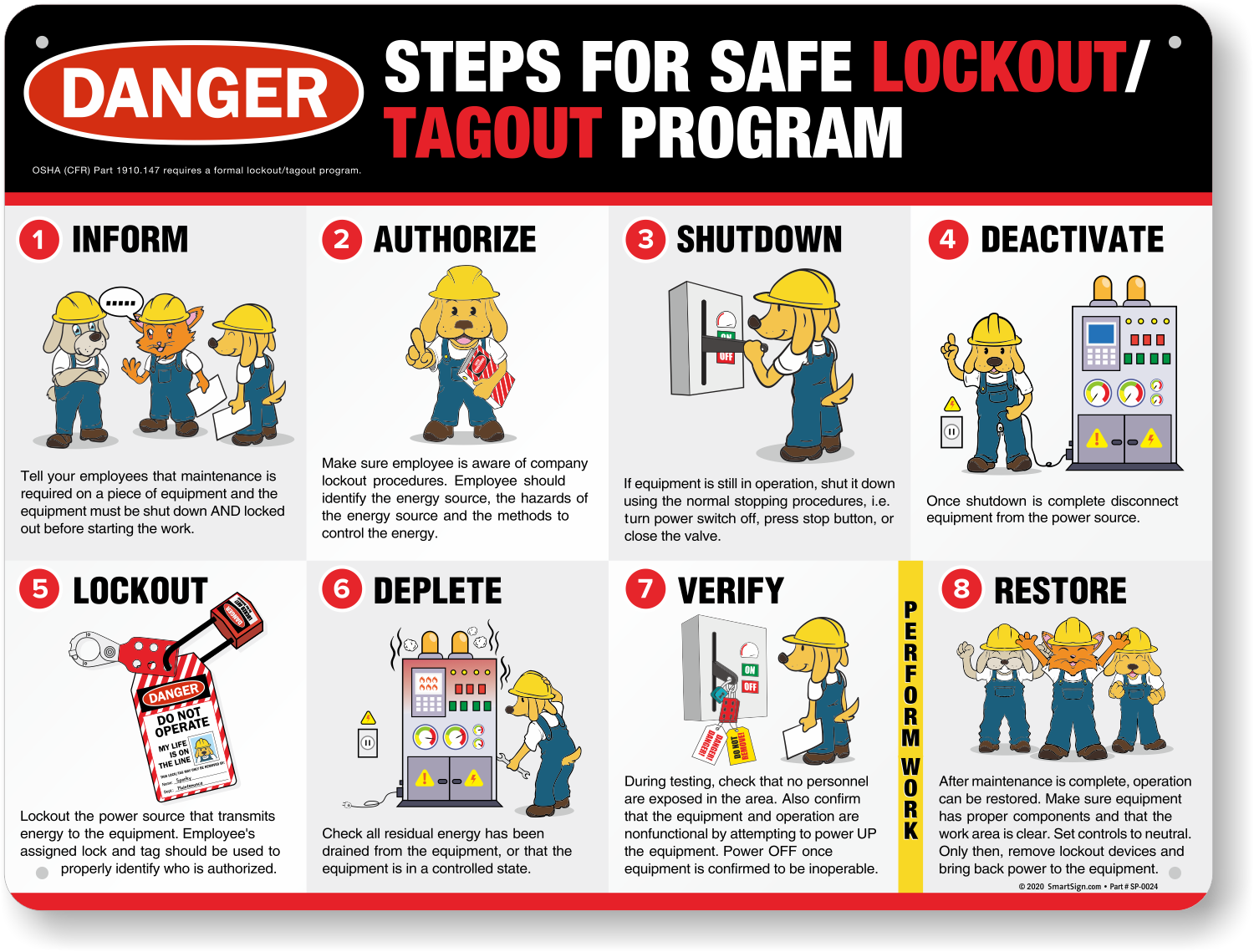
#### 2. Electrical Safety Critical when working near live panels or temporary power. Example: “This breaker was tagged out yesterday. Confirm it’s still locked before starting.”
#### 3. Lifting and Rigging Before crane lifts or hoisting materials. Example: “The load chart says this crane can handle 8,000 lbs at this radius. Our beam is 7,800 lbs—what’s our safety margin?”
#### 4. Confined Space Entry Before entering tanks, vaults, or trenches. Example: “The permit is filled out, but atmospheric testing was done 45 minutes ago. Do we retest?”
#### 5. Weather-Related Hazards During heatwaves, storms, or icy conditions. Example: “Heat index is over 90°F today. Breaks every hour, water available, buddy system active.”
By aligning topics with actual work plans, you increase relevance and retention.
How to Structure an Effective Tool Box Talk
Use this 4-part framework to build your own:
#### 1. Start with the "Why" Open with a reason tied to real risk. “We’re doing this because…” or “Last week, a similar site had an incident involving…”
#### 2. Focus on One Hazard Don’t cover 5 topics. Pick one—e.g., “Today: handling chemical spills.”
#### 3. Engage the Team Ask questions. “Have you seen this issue before?” “What would you do if…?” This builds ownership.
#### 4. End with Actions Finish with clear next steps: inspections, checks, reports, or follow-ups. Document attendance and key points.
Pro tip: Rotate leaders. Let experienced workers lead a talk on a task they know well. It builds confidence and spreads safety knowledge.
5 Ready-to-Use Tool Box Talk Templates
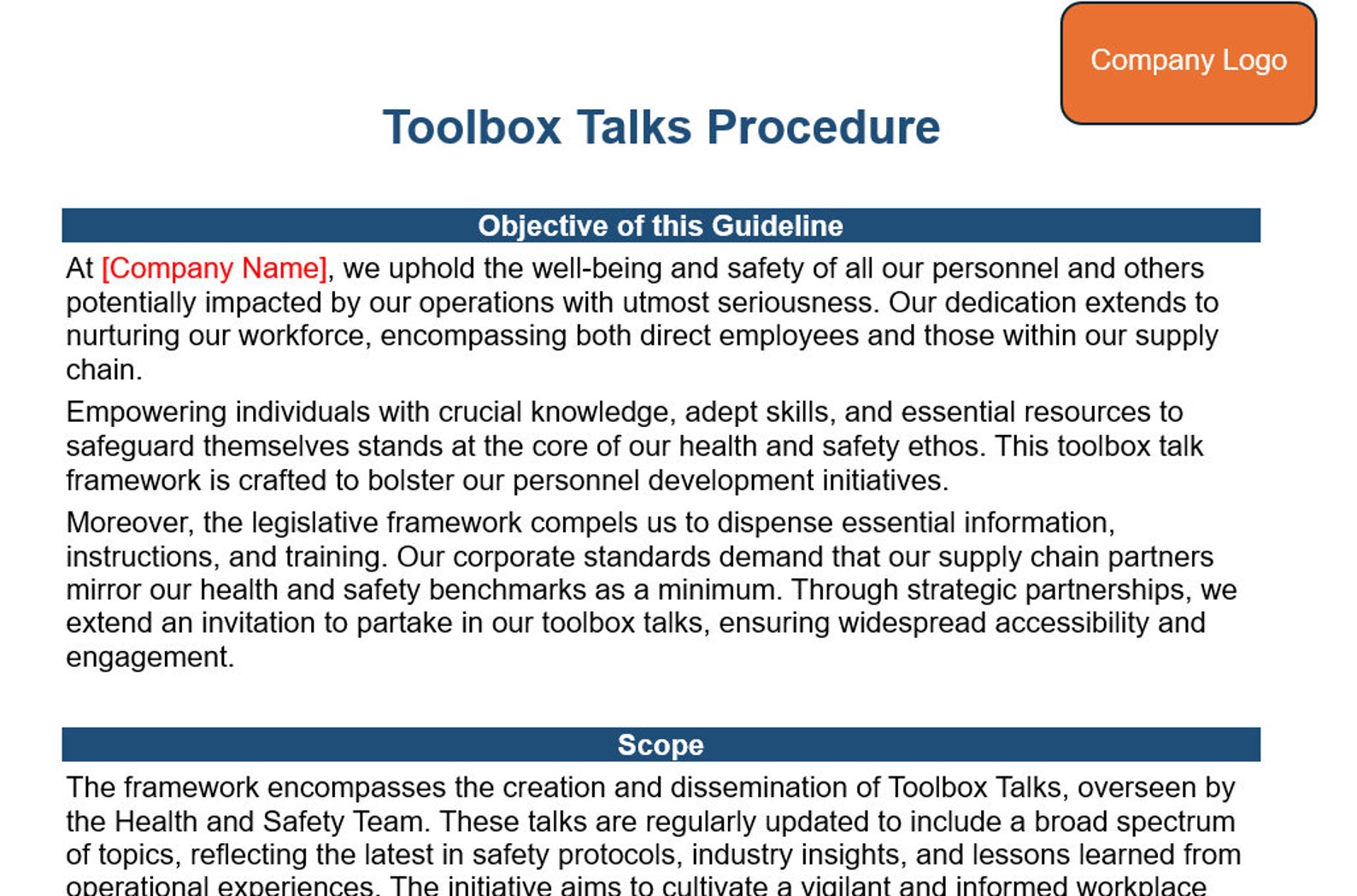
Not every talk needs to be built from scratch. These templates cover common scenarios:
| Template | Focus | Best For |
|---|---|---|
| Scaffold Safety Talk | Guardrails, stability, PPE | Construction crews, maintenance teams |
| Hand Tool Safety | Inspection, misuse, storage | General labor, electricians, plumbers |
| Ladder Safety | 4:1 ratio, secure footing, load limits | HVAC, roofing, facility maintenance |
| Hazard Communication | GHS labels, SDS access, PPE for chemicals | Manufacturing, labs, cleaning crews |
| Emergency Response | Evacuation routes, muster points, reporting | All sites, especially high-risk zones |
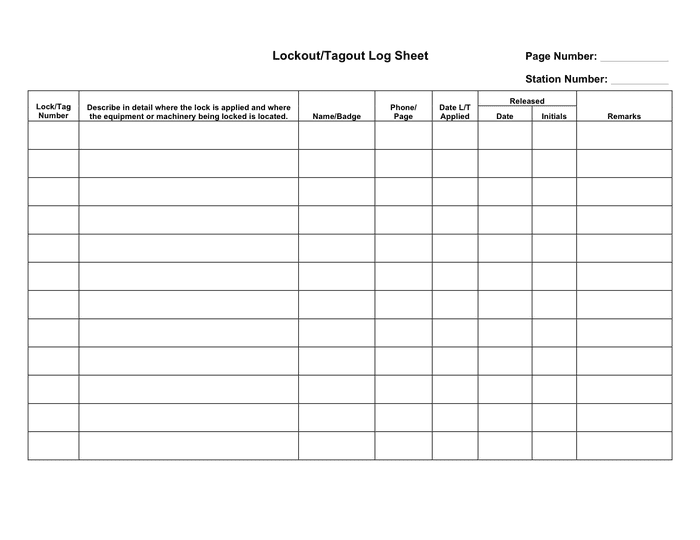
Each template should include space for: - Date, time, location - Attendee signatures - Leader’s notes - Follow-up actions
Downloadable versions should be simple Word or PDF files—no complex software needed.
Common Mistakes to Avoid
Even with great examples, poor execution undermines effectiveness. Watch for:
- Reading from a script without eye contact
- Fix: Know your key points. Speak naturally.
- Skipping worker input
- Fix: Ask open-ended questions. Listen more than you talk.
- Using the same talk every week
- Fix: Rotate topics based on work plans, incidents, or audits.
- Failing to document
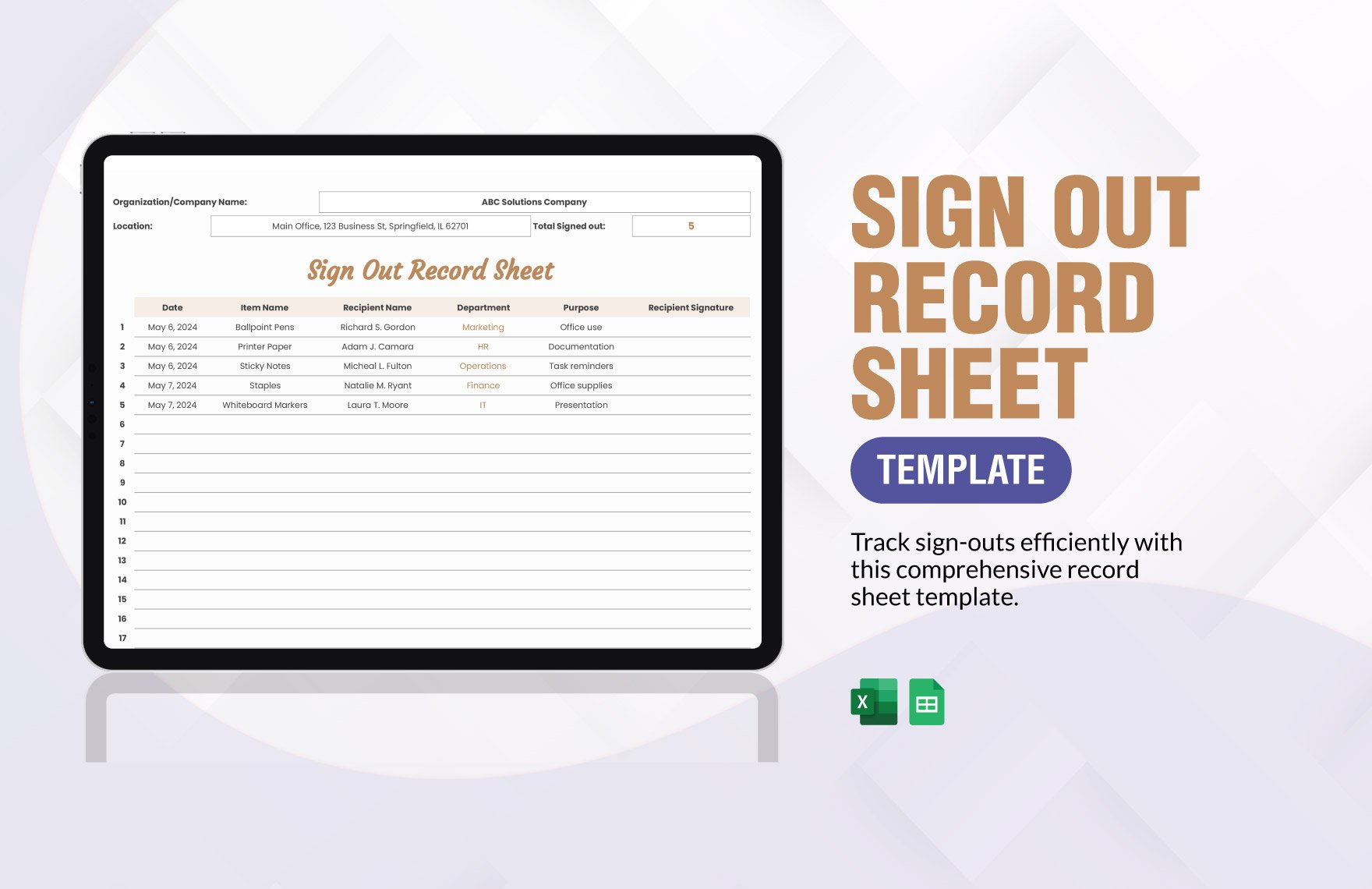
- Fix: Sign-in sheets are legal proof of training. Keep them.
One superintendent shared: “We used to do tool box talks rain or shine at 7:00 a.m. Then we moved them to right before the task. Attendance and engagement doubled.”
Timing matters. Talk when the hazard is relevant—not because the calendar says so.
Making Tool Box Talks Stick
A great tool box talk doesn’t end when the meeting does. Reinforce it:
- Post reminders: A whiteboard near the site with “Today’s Safety Focus.”
- Follow up: Walk the site later and ask, “Remember this morning’s talk? How did you apply it?”
- Review incidents: If a near-miss occurs, refer back. “This is why we talked about X.”
Over time, these talks shift from “something we do” to “how we work.”
One electrical contractor reduced incidents by 40% in six months by: - Customizing talks daily - Requiring photos of completed talks - Sharing best practices across crews
Culture change starts with consistent, meaningful communication.
Final Thoughts: Quality Over Quantity
A tool box talk example is only as good as its execution. Don’t chase perfection—aim for relevance. A 7-minute talk that stops a fall is worth more than 50 generic sessions.
Use real situations. Speak plainly. Involve your team. And always link the topic to that day’s work.
Start tomorrow with a focused, five-minute talk on the biggest hazard your crew will face. Ask one question. Listen to the answers. That’s how safety grows—one conversation at a time.
FAQ
What should be included in a tool box talk? A clear topic, hazard explanation, safe work practices, team discussion, and actionable takeaways. Include date, location, attendees, and leader.
How often should tool box talks be held? Ideally daily or before high-risk tasks. Weekly at minimum, but frequency depends on project complexity and risk level.
Who should lead a tool box talk? Supervisors, foremen, or safety officers. Experienced workers can also lead with guidance.
Are tool box talks legally required? They’re not always mandated, but OSHA and other regulators expect regular safety communication. Documentation can support compliance.
Can tool box talks be digital? Yes—apps and platforms allow digital sign-ins, photo uploads, and cloud storage. But the talk should still happen in person, on site.
Should tool box talks be documented? Yes. Signed attendance sheets prove training occurred and help track safety trends.
How long should a tool box talk last? 5 to 15 minutes. Long enough to cover the topic, short enough to hold attention.
FAQ
What should you look for in Tool Box Talk Example: Practical Templates and Tips? Focus on relevance, practical value, and how well the solution matches real user intent.
Is Tool Box Talk Example: Practical Templates and Tips suitable for beginners? That depends on the workflow, but a clear step-by-step approach usually makes it easier to start.
How do you compare options around Tool Box Talk Example: Practical Templates and Tips? Compare features, trust signals, limitations, pricing, and ease of implementation.
What mistakes should you avoid? Avoid generic choices, weak validation, and decisions based only on marketing claims.
What is the next best step? Shortlist the most relevant options, validate them quickly, and refine from real-world results.