Too many tool box talks are read from a script, rushed before a shift, and forgotten by lunch. They check a compliance box but don’t change behavior. The real issue? Generic topics that don’t reflect actual job site risks or crew concerns.
Effective tool box talks aren’t about ticking boxes. They’re about starting conversations that stick. The best sessions focus on specific, timely hazards—like working at height on a slippery roof, handling a malfunctioning power tool, or managing fatigue during long shifts.
When topics are relevant, workers engage. They share experiences, ask questions, and walk away with clearer safety awareness. This article breaks down the highest-impact tool box talk topics, structured for real-world use—backed by safety trends, field observations, and what seasoned supervisors actually do to get results.
Foundational Tool Box Talk Topics That Every Team Should Cover
These core topics form the baseline for any safety program. They’re broad enough to apply across industries but specific enough to generate discussion when tied to current work.
1. Personal Protective Equipment (PPE) PPE is non-negotiable, yet misuse is common. A talk on PPE should go beyond “wear your hard hat.” Dive into real issues: - Workers removing gloves during hot tasks - Wearing ear protection only when the supervisor is nearby - Using damaged harnesses “just for a few minutes”
Example: A construction crew noticed a spike in eye injuries during grinding tasks. The next tool box talk included photos of damaged safety glasses found on site—some missing lenses, others with scratches. This visual sparked a conversation about inspection routines and replacement protocols.
2. Hazard Identification and Reporting
Many hazards go unreported because workers don’t know how—or think nothing will change. Use this topic to clarify: - How to report unsafe conditions (app, form, verbal) - What happens after a report is submitted - Real examples of changes made due to worker feedback
Pro tip: Bring a blank hazard report form and walk through it. Let workers practice identifying hazards in a photo of your actual work area.
3. Emergency Response and Evacuation Workers often can’t name the nearest exit or assembly point. Review: - Site-specific evacuation routes - Roles during an emergency (who shuts off power, who checks restrooms?) - How to assist visitors or new hires during a drill
Run a surprise 60-second evacuation drill after the talk. Debrief what went well and what didn’t.
High-Risk Activity Topics That Demand Monthly Focus
Some tasks carry disproportionate risk. These should be recurring topics—especially before starting a new phase of work.

Working at Height Falls remain the leading cause of construction fatalities. A targeted talk should cover: - Proper ladder setup (3-point contact, 4:1 ratio) - Guardrail vs. fall arrest—when to use each - Common mistakes: overreaching, using unstable platforms
Real mistake: A roofer stepped off a ladder onto a roof edge, assuming he could “just step back.” He slipped and fell 14 feet. Use stories like this to emphasize control measures.
Confined Space Entry Even experienced crews underestimate atmospheric hazards. Focus on:
- Permit requirements
- Gas testing procedures
- Rescue planning (no heroics—pre-plan extraction)
Bring a portable gas detector to the talk. Demonstrate how it works and what the alarms sound like.
Electrical Safety Shock and arc flash risks exist beyond electrical work. Cover:
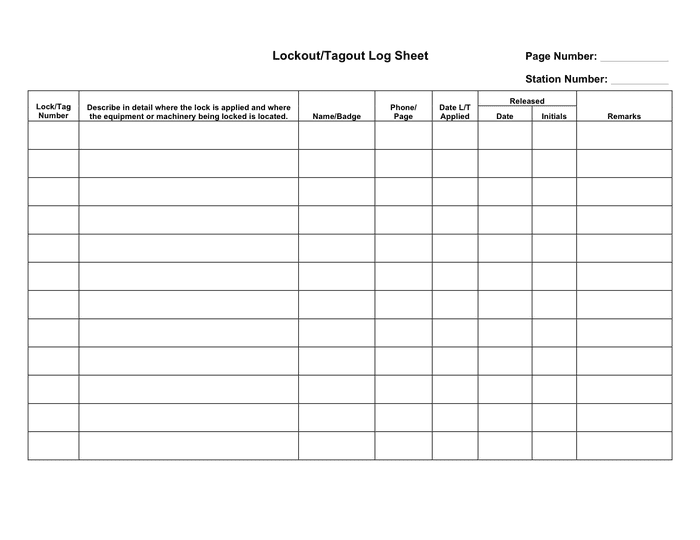
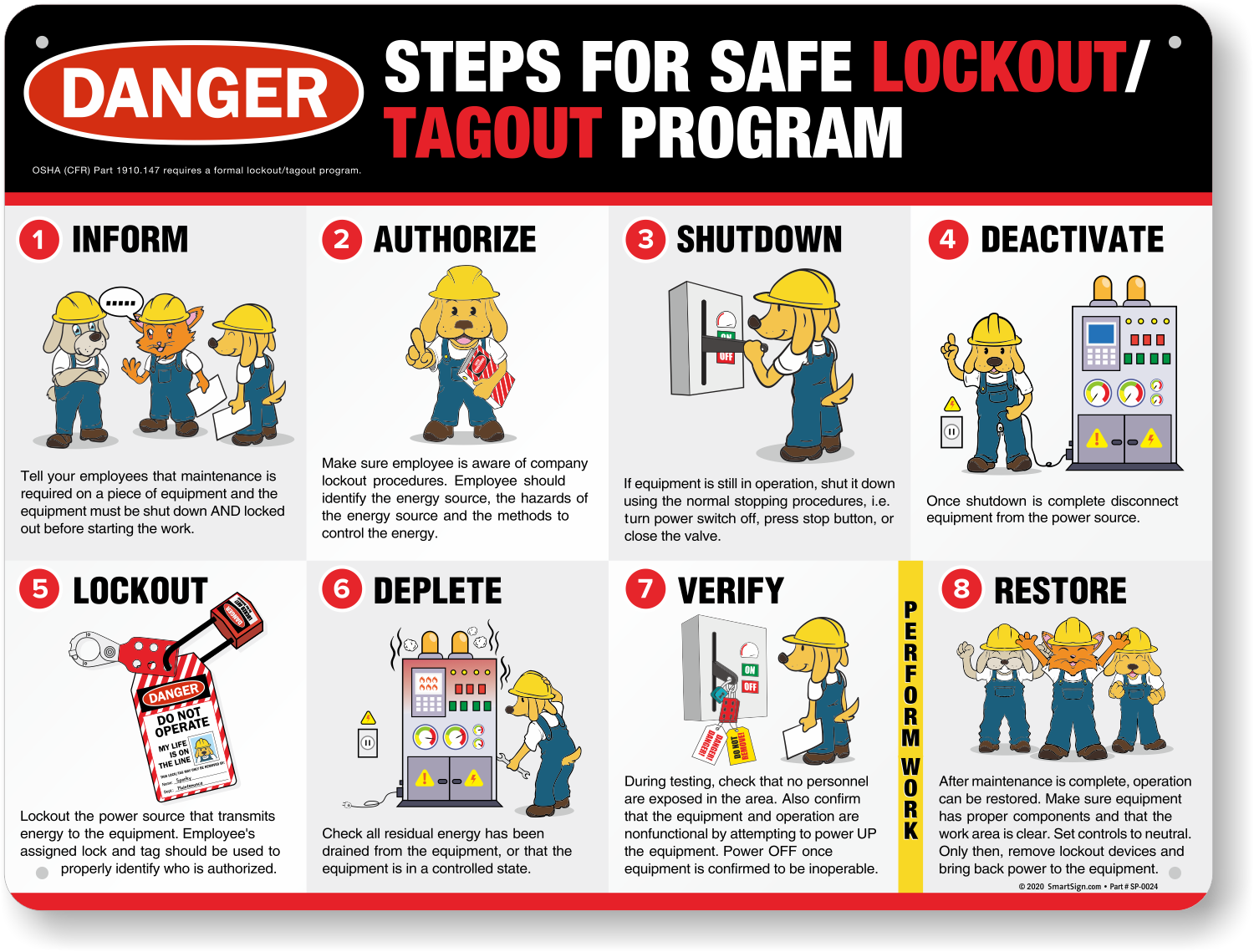
- Lockout/tagout (LOTO) basics
- Working near overhead lines
- Using GFCI outlets on job sites
Insight: One warehouse crew had a near-miss when a forklift clipped a power line. The tool box talk that followed included a video reenactment and updated clearance procedures.
Behavioral and Environmental Topics Often Overlooked
Safety isn’t just about gear and procedures. Human factors and environment shape risk more than most realize.
1. Fatigue and Mental Focus Long shifts, early starts, and personal stress reduce reaction time. Talk about: - Signs of fatigue (blinking slowly, missing steps) - How to speak up if you’re not fit for duty - Supervisor’s role in adjusting workload
Use case: A road crew started afternoon shifts with slurred speech and slow movements. The supervisor initiated a fatigue talk—and switched to split shifts during summer months.
2. Weather-Related Hazards Heat, cold, rain, and wind change job risks daily. Don’t wait for an incident. Cover: - Heat stress symptoms and hydration tips - Winter boot traction and layering systems - When to stop work due to weather
Checklist for heat safety: - Water available every 20 feet - Rest breaks every 60 minutes - Buddy system to monitor for dizziness
3. Housekeeping and Trip Hazards Clutter causes more injuries than people admit. A focused talk can: - Define “clean as you go” expectations - Assign responsibility for shared areas - Show before-and-after photos of clean vs. messy zones
One manufacturing plant reduced slips by 40% after a month-long housekeeping campaign sparked by a tool box talk.
Situational Topics That Respond to Real-Time Risks
The most effective talks are reactive—triggered by incidents, changes, or trends.
Near-Miss Reporting When a close call happens, talk about it within 24 hours. Structure the session around: - What almost went wrong - Why it happened (root cause, not blame) - What controls will prevent recurrence
Example: A worker almost walked into an open elevator shaft because a barrier was removed. The next day’s talk focused on temporary opening protocols—and introduced magnetic warning signs that attach to steel frames.
New Equipment or Process Introduction Any new tool, machine, or method needs a tool box talk before use. Include: - Demonstration of correct operation - Common misuse patterns - Emergency shutdown steps

One crew avoided hydraulic hose failure injuries after a talk highlighted the risk of inspecting pressurized lines.
Contractor Integration When third-party workers arrive, host a joint safety huddle. Cover:
- Site-specific rules
- Communication protocols (radios, hand signals)
- Emergency contacts
Miscommunication with contractors led to a backhoe striking a gas line on one project. Afterward, all contract starts included a shared tool box talk.
How to Structure an Effective Tool Box Talk
A good topic isn’t enough. Delivery matters. Use this 10-minute framework:
- Hook (1 min): Start with a photo, short story, or question.
- “Who’s seen a frayed extension cord like this on site?”
- Hazard (2 min): Explain the risk and consequences. Use data if possible.
- “Damaged cords cause 3,300 fires annually, according to NFPA.”
- Controls (3 min): Outline prevention steps. Be specific.
- “Inspect before use. Tag and remove if cracked or exposed wire.”
- Discussion (3 min): Ask:
- - “Where do we see this hazard?”
- - “What’s stopped us from reporting it?”
- - “How can we do better?”
- Close (1 min): Assign one action.
- “Before tomorrow’s shift, each team inspects two cords and reports damage.”
Avoid: Reading from a PDF. Print a one-pager with visuals. Use real tools or PPE as props.
5 Proven Tool Box Talk Resources and Templates
While customization is key, starting with quality templates saves time and improves consistency.
| Resource | Best For | Key Feature |
|---|---|---|
| OSHA Quick Takes | General industry | Free, printable 10-minute talks |
| SafetyNow Tool Box Talks | Construction & manufacturing | Visual-heavy, mobile-friendly |
| Creative Safety Supply Library | Visual learners | Infographics and posters |
| SafetyTekk | Daily engagement | 90-second audio talks for crews |
| SafeStart | Behavioral safety | Focus on human error patterns |
Tip: Combine templates with your own photos. A talk using a picture of your actual break room is more impactful than a stock image.
Common Mistakes That Undermine Tool Box Talks
Even well-intentioned sessions fail when these errors occur:
- One-size-fits-all content: Talking about forklift safety on a roofing crew
- No follow-up: Discussing hazards but never verifying changes
- Only supervisors talk: Not inviting worker input
- Same time, same place: Holding every talk at 7:00 AM by the trailer
- No documentation: Failing to record attendance or topics
Real-world fix: A supervisor started rotating talk leaders among crew members. Workers who led a session on ladder safety were 70% more likely to inspect their own equipment.
Closing: Make Safety Conversations Routine, Not Ritual
Tool box talks shouldn’t feel like chores. The best ones spark real dialogue, address real concerns, and lead to visible changes. Pick topics tied to your current work, involve your team, and close with a clear action.
Start next week with a 10-minute talk on a recent near-miss or recurring hazard. Use a photo, ask for input, and assign one fixable task. Repeat. Over time, you’ll build a culture where safety isn’t announced—it’s expected.
FAQ
What should you look for in Top Tool Box Talk Topics for Safer, Smarter Workplaces? Focus on relevance, practical value, and how well the solution matches real user intent.
Is Top Tool Box Talk Topics for Safer, Smarter Workplaces suitable for beginners? That depends on the workflow, but a clear step-by-step approach usually makes it easier to start.
How do you compare options around Top Tool Box Talk Topics for Safer, Smarter Workplaces? Compare features, trust signals, limitations, pricing, and ease of implementation.
What mistakes should you avoid? Avoid generic choices, weak validation, and decisions based only on marketing claims.
What is the next best step? Shortlist the most relevant options, validate them quickly, and refine from real-world results.