A teaser trailer in English isn’t just a promotional snippet—it’s the first real pulse of a project’s identity. Whether it's a blockbuster, indie film, or global streaming release, the official teaser trailer sets expectations, ignites hype, and often reveals more through what it withholds. Yet most viewers consume these clips passively, missing cues in tone, pacing, music, and visual symbolism that studios plant deliberately.
Understanding the English official teaser trailer means going beyond surface-level excitement. It’s about decoding narrative hints, assessing marketing strategy, and recognizing how language and cultural context shape perception—even when you don’t speak another language.
Let’s break down how to watch, interpret, and leverage these powerful previews.
Why the English Version Matters First For global releases, the English official teaser trailer is usually the primary cut released to international audiences. Even if a film originates from a non-English-speaking country, studios prioritize an English-language version to maximize reach across North America, Europe, and English-dominant markets.
This doesn’t mean it’s simply dubbed. Often, the English teaser is:
- Filmed natively in English (common with co-productions)
- Released with subtitles when dialogue is in another language
- Edited with English voiceover or text cards to guide tone
For example, Parasite’s official teaser was initially released with English subtitles and minimal dialogue—relying on mood, framing, and sound design to hook Western audiences before its Cannes breakout.
Insight: If a non-English film drops an English teaser first, it’s a sign of global ambitions—not just domestic success.
Where to Find the Official Teaser Trailer
Not all “teasers” online are legitimate. Fan edits, misleading thumbnails, and AI-generated clips flood platforms like YouTube. To ensure you're watching the real English official teaser trailer, stick to trusted sources:
- Studio YouTube Channels
- Major studios (Warner Bros., Marvel, A24) post teasers directly. Look for verified badges and official descriptions.
- Film’s Official Website or Social Media
- Check Twitter/X, Instagram, or Facebook pages linked from credible domains (e.g., dune.com, avatarexperience.com).
- Streaming Platform Hubs
- Netflix, Amazon Prime, and Apple TV+ often publish teasers on their media sites months before release.
- Trusted Entertainment Hubs
- Sites like IGN, Collider, and Variety embed official trailers with context and reporting.
- Film Festival Announcements
- Major festivals (Cannes, Sundance, TIFF) sometimes premiere teasers during events—covered live by outlets like Deadline or The Hollywood Reporter.
Avoid third-party uploaders unless they clearly source the video from an official channel.
Anatomy of a High-Impact Teaser Trailer
The best English official teaser trailers follow a subtle blueprint. They’re rarely plot-heavy. Instead, they use rhythm, contrast, and implication to hook attention in under two minutes.
#### Key Elements to Watch For:
1. Opening Shot with Weight Think of the lone spinning top in Inception, or the blood-red title card in Joker. The first image isn’t random—it’s thematic.
2. Strategic Silence or Sound Design Many teasers start quietly, then hit with a sudden sound cue (a door slam, a scream, a musical drop). This triggers emotional engagement.
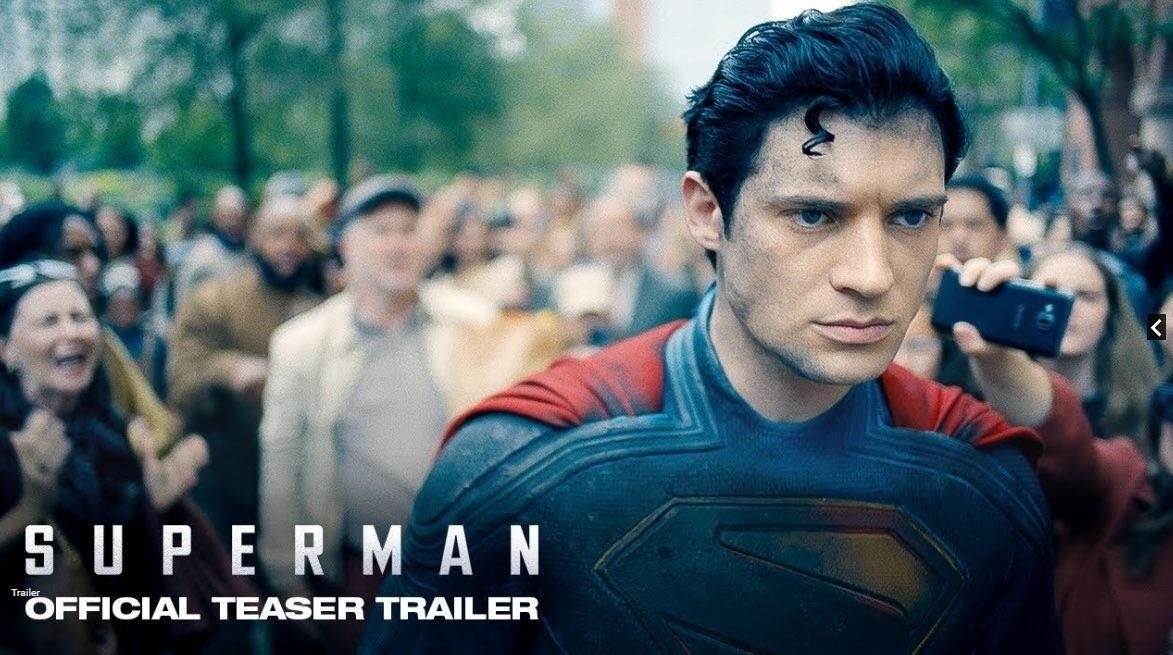
3. Minimal Dialogue, Maximum Tone You’ll hear phrases like “This changes everything,” or “They’re already here.” Vague? Yes. But it creates urgency without spoilers.
4. Visual Motifs and Color Grading A recurring color (blue in The Matrix, orange in Mad Max: Fury Road) signals aesthetic intent. Black-and-white filters often suggest realism or tragedy.
5. Final Title Card with Release Date The last five seconds typically display the title and date—sometimes with a sonic sting or logo animation (Marvel’s signature chime, for instance).
Common Mistakes When Watching Teasers
Even seasoned viewers misinterpret what they see. Here’s what to avoid:
- Assuming every shot is chronological
- Teasers often rearrange scenes. That intense climax you see? Might happen in Act 1.
- Taking narration at face value
- Voiceovers in teasers are frequently ironic or misleading. “We’re safe now” is code for “everything’s about to go wrong.”
- Ignoring music choice
- A classical cover of a pop song (like “Toxic” in Saltburn) signals tonal subversion. Original scores hint at franchise ambitions.
- Overestimating runtime
- A 90-second teaser may represent a 2-hour film—but the pacing doesn’t reflect the full edit. Many teasers compress time unnaturally.
- Confusing teaser with full trailer
- Teasers tease. Full trailers reveal plot beats. Don’t expect third-act spoilers in a teaser.
How Studios Use English Teasers Strategically
Studios don’t release teasers randomly. Each serves a marketing phase:
| Phase | Purpose | Teaser Traits |
|---|---|---|
| First Look (6–12 months out) | Generate buzz | No plot, just mood and visuals |
| Countdown (3–6 months out) | Build momentum | More character focus, brief dialogue |
| Final Teaser (1–2 months out) | Drive ticket pre-sales | Hints at conflict, stronger music |
For example, Dune: Part Two’s first teaser showed only desert landscapes and a whisper—“I am Paul Atreides.” Later trailers added war sequences and dialogue.
Pro Tip: If a teaser drops with no release date, it’s likely testing audience reaction—common with indie or unproven IPs.
Real-World Example: Breaking Down a Recent English Teaser
Let’s dissect the Deadpool & Wolverine official teaser:
- Opening: Deadpool patches a hole in the universe with duct tape—immediately signaling meta-humor and multiverse stakes.
- Sound Design: Starts with silence, then kicks in with “You’re Gonna Go Far, Kid” by The Offspring—nodding to 2000s nostalgia.
- Dialogue: “I’m not a hero. I’m a franchise.” Self-aware and brand-conscious.
- Visuals: Quick cuts of Wolverine’s claws, apocalyptic cityscapes, and cameos (e.g., Pyro from X2).
- Title Card: Red-on-black, with a scratchy logo—consistent with R-rated branding.
What’s not shown? Any real plot resolution. No villain motive. No team-up moment. The teaser markets tone and legacy, not story.
This is textbook blockbuster teaser strategy: leverage nostalgia, confirm tone, and tease connections—all without revealing enough to spoil.
How to Use Teaser Trailers Beyond Watching
You don’t have to be a filmmaker to benefit from analyzing English official teaser trailers. Here’s how different roles can use them:
For Marketers: Study pacing and emotional arcs to build better promotional videos. Note how teasers use “curiosity gaps”—presenting just enough to make viewers search for more.

For Writers: Reverse-engineer narrative structure. What questions does the teaser raise? How are characters introduced without exposition?
For Film Students: Compare international versions. How does the English cut differ from the Japanese or Spanish version in music, text, or emphasis?
For Fans: Track Easter eggs. Studios hide clues in clothing, background props, or brief flashes (like the Time Variance Authority logo in Loki’s teaser).
For Content Creators: Create reaction or breakdown videos. Deep analysis of editing choices, symbolism, or music can drive engagement far more than simple reactions.
The Future of Teaser Trailers in a Fragmented Media World
With shrinking attention spans and algorithm-driven discovery, teaser trailers are evolving:
- Shorter cuts for TikTok/Reels – Some studios now release 15-second vertical versions alongside the main teaser.
- Interactive elements – Netflix experimented with clickable teasers for Black Mirror: Bandersnatch.
- AI-assisted editing – Studios use machine learning to test which shots generate the highest retention in test audiences.
- Localized voiceovers – Even in the “English” teaser, some global releases offer alternate audio tracks.
But the core remains: a great teaser doesn’t explain—it invites. It makes you ask, “What’s happening here?” and then points you to the official channels for answers.
Watch Smarter, Not Just Sooner
The English official teaser trailer is more than a preview—it’s a calculated piece of storytelling designed to resonate across cultures. By learning to read its cues, you gain insight into not just what a film will be about, but how it wants to be perceived.
Next time a teaser drops, don’t just hit play. Pause, rewind, and ask: - What emotion is this trying to create? - What’s hidden in the background? - Why this music, this font, this silence?
Then, share your findings. The best discussions start not after the film, but before it—even a 60-second teaser can spark months of conversation.
Watch with intent. The story starts earlier than you think.
Frequently Asked Questions
What’s the difference between a teaser and a trailer? A teaser is shorter (30–90 seconds), released earlier, and focuses on mood and branding. A trailer is longer (2–3 minutes), comes closer to release, and reveals more plot.
Do all movies release an English teaser first? Not all, but most global or studio-backed films do—even non-English ones—to target the widest audience early.
Can a teaser trailer spoil the movie? Rarely. Studios avoid major spoilers, but teasers can reveal character deaths or key visuals that affect surprise.
Why are some teasers only a minute long? Shorter length increases rewatchability and social sharing—especially on mobile platforms.
How can I tell if a teaser is fake or unofficial? Check the upload source. Official channels have verification badges, clear branding, and links to studio websites.
Are teaser trailers ever misleading? Yes. Some teasers highlight comedy in a drama (e.g., Logan) or hide genre twists to preserve surprise.
Should I watch teasers before seeing the movie? Only if you enjoy anticipation. Some viewers prefer no prior exposure to preserve full immersion.
FAQ
What should you look for in How to Watch and Analyze the English Official Teaser Trailer? Focus on relevance, practical value, and how well the solution matches real user intent.
Is How to Watch and Analyze the English Official Teaser Trailer suitable for beginners? That depends on the workflow, but a clear step-by-step approach usually makes it easier to start.
How do you compare options around How to Watch and Analyze the English Official Teaser Trailer? Compare features, trust signals, limitations, pricing, and ease of implementation.
What mistakes should you avoid? Avoid generic choices, weak validation, and decisions based only on marketing claims.
What is the next best step? Shortlist the most relevant options, validate them quickly, and refine from real-world results.