South Carolina’s recent measles outbreak has officially ended—but the relief is cautious, as new clusters emerge across the country. Health officials confirm no active transmission in the state, marking a milestone after months of containment efforts. Yet the broader national picture tells a different story: measles is resurging, driven by vaccine hesitancy, international travel, and gaps in community immunity.
This shift isn’t isolated. From densely populated urban centers to rural counties with low vaccination rates, the virus is finding footholds. The end of South Carolina’s outbreak offers a case study in effective public health response—but also a warning. Elimination in one state does not guarantee safety in another.
How South Carolina Contained Its Outbreak
The outbreak in South Carolina began with a single confirmed case in a school-aged child who had recently traveled internationally. With no prior vaccination record, the child unknowingly exposed dozens in school and community settings before diagnosis.
The South Carolina Department of Health and Environmental Control (DHEC) responded swiftly:
- Immediate isolation of the infected individual
- Contact tracing involving over 150 people
- School-wide notifications and voluntary quarantine for unvaccinated students
- Emergency MMR vaccination clinics in affected counties
Within eight weeks, no new cases were reported. Two incubation cycles (42 days) passed without transmission, prompting DHEC to declare the outbreak over.
Key to containment was public cooperation. Local clinics administered over 4,300 MMR booster doses during the crisis. Schools temporarily restricted unvaccinated students from attending—aligning with state law during declared outbreaks.
Still, the episode revealed vulnerabilities. In one rural county, only 88% of kindergarteners were up to date on MMR vaccines—below the 95% threshold needed for herd immunity.
Why Measles Still Spreads Despite Being Vaccine-Preventable
Measles is one of the most contagious viruses known. A single infected person can spread it to 12–18 others in a fully susceptible population. The virus lingers in the air for up to two hours after an infected person leaves a room.
Yet a safe, effective vaccine has existed for over 50 years. So why is it coming back?
1. Vaccine Hesitancy and Misinformation Despite overwhelming scientific consensus, myths linking the MMR vaccine to autism continue circulating online. Though thoroughly debunked, these claims influence parental decisions. In pockets of South Carolina and elsewhere, non-medical vaccine exemptions have risen steadily.
2. International Travel as a Vector Most U.S. outbreaks originate abroad. Measles remains endemic in parts of Europe, Africa, and Southeast Asia. Travelers returning or visiting from these regions can ignite local transmission—especially in under-vaccinated communities.
During South Carolina’s outbreak, genomic sequencing traced the virus to a strain circulating in India. The infected child had visited family there during school break.
3. Gaps in Herd Immunity Herd immunity requires at least 95% vaccination coverage. Many communities fall short. In some U.S. counties, MMR coverage dips below 80%. These clusters become breeding grounds for outbreaks.
States Now Facing Measles Activity
While South Carolina is outbreak-free, multiple states report confirmed cases in 2024:
| State | Confirmed Cases | Likely Source | Response Status |
|---|---|---|---|
| Texas | 17 | International traveler | Active contact tracing |
| Washington | 9 | Linked to overseas case | Public exposure alerts issued |
| New York | 12 | Underserved Orthodox Jewish community | Emergency clinics deployed |
| Florida | 5 | No known source (under investigation) | Surveillance heightened |
| Michigan | 3 | Hospital exposure event | Staff quarantine initiated |
Texas has seen the most significant surge, with cases spread across three counties. Health officials blame low vaccination rates in certain school districts—some as low as 83% for MMR.
New York’s cases are concentrated in Rockland County, a region with a history of vaccine resistance. A similar outbreak in 2019 infected over 300 people. This time, authorities acted faster, distributing over 1,200 vaccine doses in one weekend.
Urban vs. Rural Measles Risk: A Shifting Landscape
Historically, measles outbreaks favored urban areas due to population density. But recent trends show rural and suburban communities at growing risk.
Urban Risks: - International airports and transit hubs increase exposure - Dense housing and public schools enable rapid spread - But higher overall vaccination rates can slow transmission
Rural Risks: - Limited access to pediatric and public health services - Fewer vaccination clinics and lower awareness - Tight-knit communities where misinformation spreads quickly
South Carolina’s outbreak began in a suburban county with access to healthcare—yet misinformation and delayed care allowed early spread. In contrast, a recent case in rural Idaho went undiagnosed for days because local providers hadn’t seen measles in over a decade.
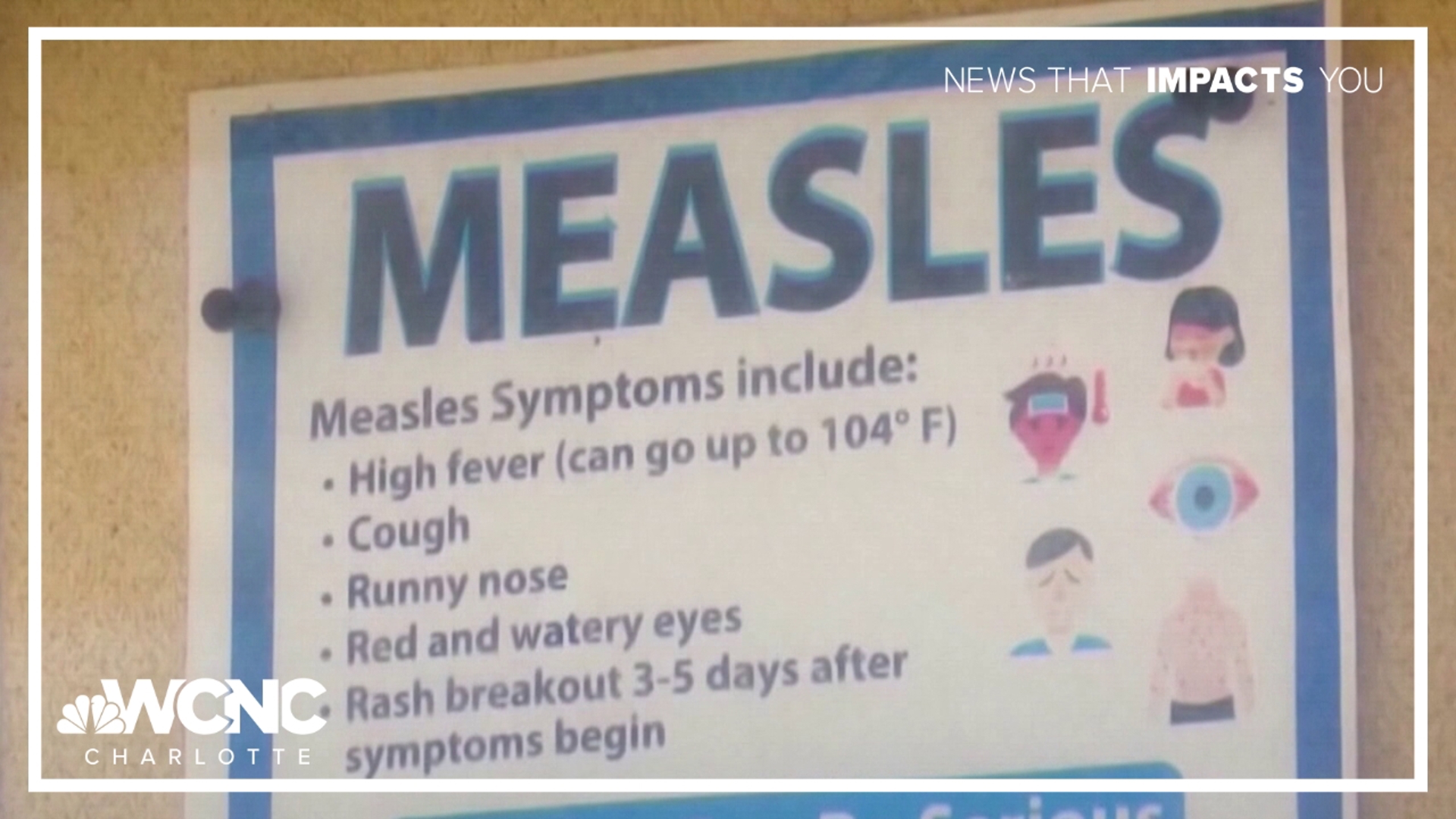
This diagnostic delay is a national concern. Many younger physicians have never treated a measles patient. Symptoms—fever, cough, runny nose, rash—can mimic common viral illnesses. Without suspicion, testing is delayed.
How to Know If You’re Protected
Not everyone who lived through the outbreak needs a booster. But knowing your status matters.
Who Should Check Their MMR Status: - Adults born after 1957 without vaccination records - College students and healthcare workers - Travelers going abroad - Parents of unvaccinated or partially vaccinated children
The CDC considers the following as proof of immunity: - Two doses of MMR vaccine - Laboratory confirmation of immunity - Birth before 1957 (most had natural exposure)

If you're unsure, getting another dose is safe. The MMR vaccine has an excellent safety profile. Serious side effects are extremely rare.
Common Mistakes People Make: - Assuming childhood vaccination is enough without verifying records - Relying on antibody titers without clinical context - Delaying vaccination due to minor illnesses (cold or allergies don’t preclude MMR)
What Public Health Workers Are Doing Differently Now
Lessons from South Carolina and other recent outbreaks are reshaping response protocols.
1. Faster Genomic Sequencing State labs now collaborate with the CDC to sequence measles strains within 72 hours of confirmation. This helps identify outbreak sources and links cases across states.
2. Targeted Outreach in High-Risk Communities Instead of broad public messaging, health departments are partnering with faith leaders, schools, and cultural organizations to address concerns in vaccine-hesitant groups.
In South Carolina, DHEC worked with community health workers to host Q&A sessions in multiple languages.
3. Digital Exposure Alerts Some states now use social media and geofenced alerts to notify people of potential exposure. After a case in a Texas mall, officials sent push notifications to mobile users in the area.
While powerful, these tools raise privacy concerns. Not all states have adopted them.
Protecting Your Family: Practical Steps
Waiting for an outbreak is the wrong time to act. Prevention starts now.
Actionable Checklist: - [ ] Locate vaccination records for every household member - [ ] Contact your doctor to schedule MMR doses if needed - [ ] Ensure children receive first dose at 12–15 months, second at 4–6 years - [ ] Verify immunity before international travel - [ ] Talk to teens about vaccine importance—peer influence matters
Keep these numbers handy: - CDC Measles Hotline: 1-800-CDC-INFO - Vaccine Finder (vaccines.gov): Locate clinics offering MMR
For schools and employers: Review policies on exclusion during outbreaks. Having a plan reduces chaos when cases emerge.
The Bigger Picture: Measles Isn’t Just a Local Threat
South Carolina’s outbreak proved that even short-lived events can strain health systems, scare communities, and cost millions in response. But the real danger lies in complacency.
Measles was declared eliminated in the U.S. in 2000. That status hangs by a thread. In 2023, over 120 cases were reported nationwide. Early 2024 data suggests a similar or higher pace.
Elimination doesn’t mean eradication. As long as the virus circulates globally—and pockets of low vaccination persist domestically—U.S. outbreaks will keep happening.
The end of South Carolina’s outbreak should be a signal, not a sigh of relief. It shows what’s possible with coordination and urgency. But it also underscores a fragile reality: one infected traveler, one unvaccinated child, one delayed diagnosis—can reignite the fire.
Stay informed. Stay protected. Check your status. Protect your community.
FAQ
What should you look for in South Carolina’s Measles Outbreak Ends, But New Cases Emerge? Focus on relevance, practical value, and how well the solution matches real user intent.
Is South Carolina’s Measles Outbreak Ends, But New Cases Emerge suitable for beginners? That depends on the workflow, but a clear step-by-step approach usually makes it easier to start.
How do you compare options around South Carolina’s Measles Outbreak Ends, But New Cases Emerge? Compare features, trust signals, limitations, pricing, and ease of implementation.
What mistakes should you avoid? Avoid generic choices, weak validation, and decisions based only on marketing claims.
What is the next best step? Shortlist the most relevant options, validate them quickly, and refine from real-world results.