Matamoros, the bustling Mexican city directly across from Brownsville, Texas, is now off-limits to most American travelers. The U.S. Department of State has issued a Level 4: Do Not Travel advisory, the highest possible warning, citing extreme levels of violent crime, cartel activity, and targeted kidnappings. This escalation isn’t isolated—it’s part of a broader deterioration in security along key U.S.-Mexico border crossings, even as cross-border trade and family travel remain common.
For years, residents of South Texas have crossed into Matamoros for shopping, medical services, and family visits with little concern. That routine is now at risk. The State Department’s directive underscores a reality many local officials have quietly acknowledged: the balance of power in border cities has shifted, and American citizens are increasingly seen as high-value targets.
Why Matamoros? The Epicenter of a Regional Crisis
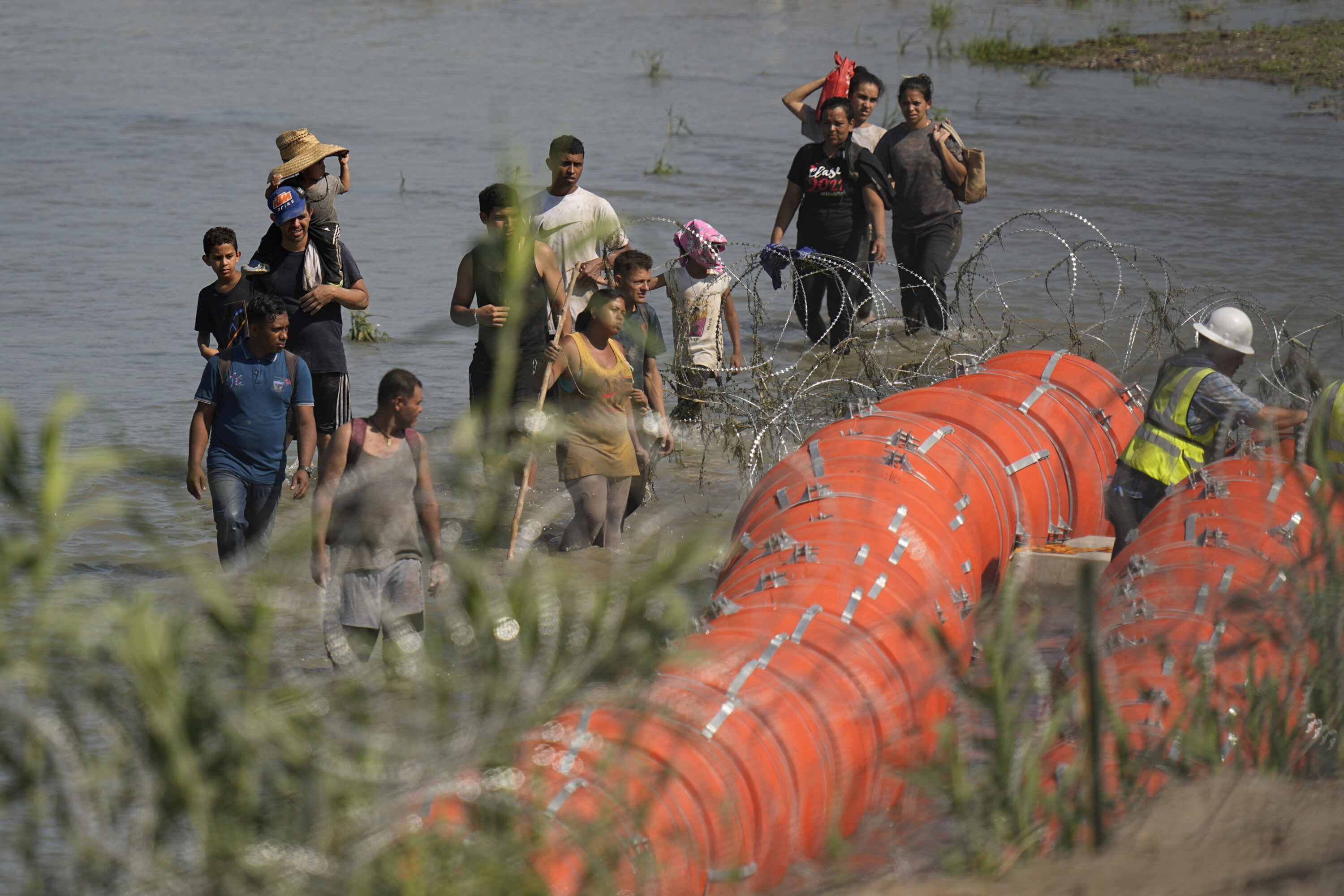
Matamoros sits at the mouth of the Rio Grande, adjacent to one of the busiest land ports of entry in North America. Its economic ties to Brownsville are deep—thousands of workers, students, and shoppers cross daily. Yet its location also makes it a strategic battleground for rival drug cartels, primarily the Gulf Cartel and the increasingly aggressive Los Zetas splinter groups.
Recent intelligence reports reveal a surge in armed confrontations, ambushes on federal forces, and coordinated kidnappings targeting individuals with U.S. ties. In some cases, victims are taken within minutes of crossing the border. The State Department specifically cited “widespread violence with limited government control” in its advisory, warning that local law enforcement is often outgunned and under-resourced.
Real-world example: In early 2023, an American woman visiting family in Matamoros was abducted from a grocery store parking lot. Though she was released after 36 hours following ransom negotiations, the incident sent shockwaves through the border community. U.S. officials later confirmed cartel members used information from social media to identify her as an American.
This isn’t just about crime—it’s about predictability. Tourists and even long-term visitors can no longer assume routine activities like dining out or shopping are safe. The advisory now explicitly warns against all non-essential travel, including day trips.
What the State Department Advisory Actually Says
The Level 4 advisory for Matamoros includes stark language:
“Violent crime, such as homicide, kidnapping, carjacking, and robbery, is common. Criminal organizations continue to fight each other and target government forces. They may target foreigners, including U.S. citizens, for kidnapping or armed attacks.”
Key points from the official guidance:
- Do not travel to Matamoros unless absolutely necessary (e.g., official U.S. government duties).
- Avoid all border crossings into the city, including the Brownsville-Matamoros International Bridge.
- U.S. government employees are restricted from travel to the area and must follow strict movement protocols if required to enter.
- Emergency services are limited—U.S. consular support may be unable to assist in remote or high-risk zones.
The advisory also notes that criminal groups monitor social media and mobile signals to track potential targets. This has real implications: posting a check-in from a restaurant in Matamoros could put you at risk, even if you’re only there for an hour.
How This Affects Border Communities and Cross-Border Life
The advisory doesn’t just impact tourists—it disrupts the daily rhythm of life for binational families, medical patients, and workers.
Consider these scenarios:
- Medical tourism: Many Americans from South Texas travel to Matamoros for affordable dental work or prescription medications. Clinics that once saw dozens of U.S. patients weekly now report cancellations and declining traffic.
- Family visits: Grandparents living in Matamoros may no longer see their grandchildren from Texas as frequently, especially if parents are deterred by official warnings.
- Commuter students: Some college students from Matamoros attend institutions in Brownsville. While they’re still permitted to enter the U.S., the reciprocal flow has slowed due to safety concerns.
Local business owners on both sides of the border are feeling the strain. In Brownsville, shops that catered to Mexican shoppers report slower weekends. In Matamoros, restaurants and pharmacies that relied on American customers are cutting hours.
One pharmacist in Matamoros, who asked not to be named, said: “We used to get 30 or 40 Americans a day picking up refills. Now it’s maybe five. The advisory scared people—and rightly so. We don’t feel safe either.”
Broader Pattern: Are Other Border Cities at Risk?
Matamoros isn’t the only Mexican border city under scrutiny. The State Department maintains elevated warnings for several locations just across from Texas:
| City (Mexico) | U.S. Border City | Travel Advisory Level |
|---|---|---|
| Nuevo Laredo | Laredo | Level 4: Do Not Travel |
| Reynosa | McAllen | Level 4: Do Not Travel |
| Juárez | El Paso | Level 3: Reconsider Travel |
| Piedras Negras | Eagle Pass | Level 3: Reconsider Travel |
What’s clear is that the corridor from Laredo to Brownsville is now among the most dangerous stretches for American travelers in Mexico. The common thread? Proximity to cartel supply routes and a history of territorial disputes.
Nuevo Laredo, for instance, has long been a flashpoint between the Gulf Cartel and Sinaloa factions. Reynosa, like Matamoros, sees frequent armed convoys and roadblocks. While El Paso remains relatively stable due to stronger local governance and binational cooperation, Juárez still faces sporadic violence that keeps the advisory at Level 3.
Key takeaway: If you’re traveling to any Texas border city, assume that crossing into Mexico—even for a short visit—carries significant risk. The State Department doesn’t issue Level 4 advisories lightly.
How to Stay Safe If You Must Cross
Despite the warnings, some individuals still have essential reasons to cross: dual citizens visiting family, legal professionals, or humanitarian workers. If you fall into this category, here’s what you need to know:
1. Avoid Night Travel
Most violent incidents occur after dark. Cross during daylight hours and return before sunset.
2. Stay on Main Roads Avoid side streets and rural areas. Stick to well-lit, populated zones with visible police or National Guard presence.
3. Don’t Display U.S. Affiliation Remove U.S. license plate tags, avoid wearing clothing with American flags or university logos, and disable location tagging on your phone.
4. Have a Local Contact Travel with someone familiar with the area. Locals often know which neighborhoods to avoid and can help de-escalate encounters.
5. Register with STEP Enroll in the U.S. Department of State’s Smart Traveler Enrollment Program (STEP). This ensures you receive emergency alerts and can be located if something goes wrong.
Even with precautions, there are no guarantees. One U.S. attorney who regularly crossed into Reynosa for court cases said, “I used to go weekly. Now I only go when absolutely necessary—and I have an exit plan, a local lawyer on call, and my phone on silent.”
What’s Being Done to Improve Safety?
On paper, both the U.S. and Mexican governments are working to stabilize the region. Joint operations between U.S. Homeland Security and Mexican federal forces have increased in recent months. The U.S. has also provided training and non-lethal equipment to local police.
But structural challenges remain:
- Corruption: Some local law enforcement officers have ties to criminal groups, undermining reform efforts.
- Resource gaps: Mexican police in border cities often lack armored vehicles, reliable communications, and forensic tools.
- Demand-side pressure: U.S. drug consumption continues to fuel the cartels’ profitability, limiting long-term impact of enforcement.
Binational initiatives like the Border Safety Initiative and the 2023 U.S.-Mexico High-Level Security Dialogue aim to improve coordination, but progress is slow. In the meantime, the State Department’s travel advisories serve as the most immediate tool to protect citizens.
Practical Alternatives for Travelers and Families
If you’re reconsidering a trip to Matamoros—or another high-risk border city—here are realistic alternatives:
- Virtual family visits: Use video calls to maintain connections without physical travel.
- Medical services in Brownsville: Some clinics now offer discounted rates for services previously sought in Mexico.
- Cross-border delivery services: Pharmacies in Matamoros are partnering with logistics companies to ship prescriptions to U.S. addresses.
- Travel to safer Mexican destinations: Cities like Monterrey or San Miguel de Allende remain open under Level 2 advisories (Exercise Increased Caution), making them more viable for American tourists.
One family from Harlingen, Texas, now sends their elderly mother’s prescriptions via a trusted courier who makes weekly runs. “It’s not the same as seeing her in person,” said her daughter, “but I’d rather have her alive and healthy than risk her getting caught in the middle of a shootout.”
Bottom Line: Heed the Warning
The State Department doesn’t issue Level 4 advisories for political reasons. When they say “Do Not Travel,” they mean it. Matamoros is not an anomaly—it’s a warning sign of deeper instability along the U.S.-Mexico border.
Whether you’re planning a weekend trip, visiting family, or managing cross-border business, the risk calculus has changed. What once felt routine now carries potentially life-threatening consequences.
If you’re an American citizen, the safest choice is clear: avoid Matamoros and other high-risk border cities in Mexico unless your travel is essential and properly secured. Monitor the State Department’s website for updates, enroll in STEP, and always have a contingency plan.
Security conditions can shift rapidly. Staying informed isn’t just smart—it could save your life.
Frequently Asked Questions
Why is Matamoros specifically dangerous right now? Matamoros is a contested territory between powerful drug cartels, leading to frequent armed clashes, kidnappings, and targeted violence against foreigners.
Can U.S. citizens get emergency help if stranded in Matamoros? U.S. consular assistance is extremely limited in high-risk zones. The embassy may not be able to help during active violence or kidnappings.
Are the bridges between Texas and Mexico closed? No, legal border crossings remain open for trade and essential travel, but the U.S. government strongly discourages non-essential entry into Matamoros.
Is it safe to drive through the border area without crossing? Remaining on the U.S. side—such as driving through Brownsville—is generally safe. The warning applies specifically to entering Mexican territory.
How often does the State Department update these advisories? Advisories are reviewed regularly and updated in response to security developments. Check travel.state.gov for the latest information.
Do Mexican authorities agree with the U.S. warning? Mexican federal and local officials acknowledge security challenges but often emphasize efforts to restore order. Still, they cannot guarantee safety in high-risk areas.
Can I be fined or arrested for ignoring the advisory? No—the advisory is a recommendation, not a law. However, ignoring it increases personal risk and may affect insurance coverage or employer liability.
FAQ
What should you look for in U.S. Warns Against Travel to Mexican Border City Amid Surge in Violence? Focus on relevance, practical value, and how well the solution matches real user intent.
Is U.S. Warns Against Travel to Mexican Border City Amid Surge in Violence suitable for beginners? That depends on the workflow, but a clear step-by-step approach usually makes it easier to start.
How do you compare options around U.S. Warns Against Travel to Mexican Border City Amid Surge in Violence? Compare features, trust signals, limitations, pricing, and ease of implementation.
What mistakes should you avoid? Avoid generic choices, weak validation, and decisions based only on marketing claims.
What is the next best step? Shortlist the most relevant options, validate them quickly, and refine from real-world results.