The largest measles outbreak in decades has officially ended in the United States—but not without leaving a lasting impact. Health officials confirm transmission chains have been broken, yet the aftermath reveals a surprising silver lining: a measurable spike in MMR (measles, mumps, and rubella) vaccination rates across multiple states. The crisis, which saw hundreds infected and communities quarantined, appears to have shaken public complacency, turning fear into action at clinics and pharmacies nationwide.
This reversal is more than anecdotal. Data from the Centers for Disease Control and Prevention (CDC) and state health departments show MMR vaccine administration rose 18–34% in outbreak-affected regions in the months following peak transmission. Pediatricians report parents rescheduling overdue immunizations. School districts have seen higher compliance. Even traditionally hesitant communities are reevaluating their stance.
The outbreak didn’t just expose gaps in immunity—it catalyzed a response that may reshape vaccination behavior for years.
How the Outbreak Unfolded: From Imported Case to National Alert
The outbreak began with a single imported case—likely contracted abroad—entering a community with low vaccination rates. Within weeks, it spread through schools, daycare centers, and communal gatherings. Measles is one of the most contagious viruses known: one infected person can transmit it to 12–18 others in a susceptible population.
By the time public health agencies intervened, cases had emerged in over a dozen states. Major urban centers like Los Angeles, Chicago, and New York City reported clusters. Rural areas, particularly those with clusters of unvaccinated children, faced disproportionate impact.
The CDC confirmed 468 cases during the active phase—more than any single outbreak since the disease was declared eliminated in 2000. For context, annual measles cases had hovered in the dozens for years. This surge wasn’t just an anomaly; it was a wake-up call.
Local health departments responded with emergency measures: - School exclusion orders for unvaccinated students - Pop-up vaccination clinics in high-risk neighborhoods - Targeted outreach to religious and cultural communities with lower immunization rates
These efforts, combined with intensified media coverage, helped slow transmission. But the turning point came not from mandates alone—it came from shifting public perception.
Vaccination Rates Spike as Fear Meets Education When images of quarantined classrooms and hospitalized children circulated, the abstract debate over vaccines turned visceral. Parents who once delayed or refused the MMR vaccine began seeking it out.
In Washington State, where an earlier measles outbreak in 2019 prompted legislative action, MMR vaccination rates among kindergarteners had plateaued at 91%—below the 95% threshold needed for herd immunity. After the latest outbreak, that number jumped to 94.3% within a single school year.

Similarly, in parts of Texas and New Jersey where recent cases emerged, pediatric clinics reported 30% more MMR doses administered compared to the same period the previous year. Some clinics extended hours. Others launched text-message campaigns reminding families of due or missed vaccines.
This wasn’t just reactive behavior. Public health messaging evolved during the crisis, moving away from shaming and toward empathetic education.
One Dallas pediatric practice noted success using a simple script: > “We’re not here to judge. We’re here to protect your child. Measles isn’t just a rash—it can lead to pneumonia, brain swelling, and even death. The vaccine is safe, effective, and has protected millions.”
They reported a 40% increase in vaccine uptake among previously hesitant families.
Why This Outbreak Was Different
Unlike past outbreaks, this one coincided with a shift in the information landscape. Misinformation still circulated, but so did real-time data. Social media platforms, under pressure, began downranking anti-vaccine content. Meanwhile, credible sources—doctors, nurses, parents—shared testimonials and fact-based posts that reached millions.
The outbreak also benefited from improved surveillance. The CDC’s National Notifiable Diseases Surveillance System (NNDSS) enabled rapid case identification and contact tracing. States shared data in near real time, allowing faster containment.
But perhaps the most critical factor was visibility. Previous outbreaks were contained quietly. This one made headlines. News outlets ran in-depth stories on the science of the MMR vaccine. Documentaries highlighted historical measles deaths. Schools posted vaccination rates publicly.
When people saw actual consequences—not just theoretical risk—they responded.
The Role of Trust in Vaccine Hesitancy
Vaccine hesitancy wasn’t born in a vacuum. It grew from legitimate concerns, misinformation, and broken trust in institutions.
During the outbreak, health departments that engaged trusted community leaders—faith figures, school principals, respected elders—saw better outcomes than those relying solely on mandates.
In a Hasidic Jewish community in Brooklyn, where previous outbreaks took hold due to misinformation linking vaccines to autism (a myth long debunked), outreach through rabbis and community health workers led to a 22% increase in MMR uptake within three months.
Conversely, areas that relied only on enforcement—fines, school bans—saw resistance harden. Mandates work, but only when paired with trust-building.
Public health experts now emphasize the “three C’s” of vaccine confidence: - Confidence in safety and efficacy - Complacency—overcoming the belief that diseases are no longer a threat - Convenience—ensuring vaccines are accessible and affordable
This outbreak showed that when complacency is shattered, confidence can grow—if convenience follows.
Herd Immunity: Closer Than We Think, But Not Guaranteed
Herd immunity for measles requires 95% vaccination coverage. The U.S. national average for MMR coverage among kindergarteners sits at around 93%, but it’s uneven. Some counties dip below 80%.
The recent spike in vaccinations may push several communities over the threshold. That’s critical—not just for measles, but for public health infrastructure overall.
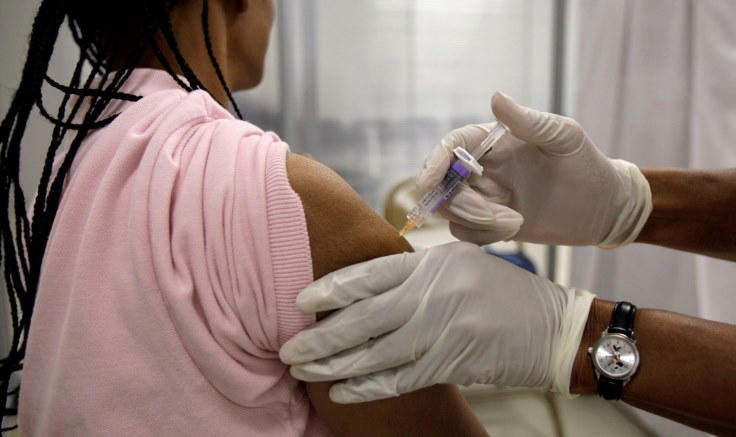
States that invested in vaccine access during the outbreak are seeing ripple effects. Mobile clinics established for measles are now offering flu shots, HPV vaccines, and routine pediatric care. Digital reminder systems are being scaled.
But sustainability is a challenge. Will vaccination rates stay high when the memory of the outbreak fades?
Historical precedent is mixed. After the 2014–2015 Disneyland measles outbreak, MMR rates rose temporarily but plateaued within two years. The key difference now? This outbreak was larger, longer, and more widely experienced.
If public health systems act fast, they can turn this momentum into lasting change.
Practical Steps to Sustain Momentum
The end of the outbreak doesn’t mean the job is done. Here’s how individuals, providers, and policymakers can keep vaccination rates high:
For Parents and Caregivers - Check vaccination records annually. Many children miss the second MMR dose at age 4–6. - Talk to your pediatrician openly. Ask about side effects, timing, and what the vaccine protects against. - Share your decision to vaccinate. Personal stories reduce stigma and encourage others.
For Healthcare Providers - Normalize vaccination conversations. Don’t wait for parents to bring it up. - Use presumptive language. Instead of “Do you want the vaccine today?” say “We’ll be giving the MMR vaccine today—any questions?” - Offer same-day appointments for catch-up vaccines.
For Schools and Employers - Host on-site clinics. Partner with local health departments. - Share transparent data. Publish vaccination rates (without individual names) to foster community accountability. - Support paid time off for employee vaccinations. This helps adult family members stay protected.
For Policymakers - Fund community health workers. They’re more effective than mandates alone. - Close non-medical exemption loopholes. Some states still allow religious or philosophical opt-outs. - Invest in digital vaccine tracking. Real-time dashboards help identify at-risk areas early.
Lessons Learned: From Crisis to Confidence
This outbreak proved that even in an age of misinformation, facts can win—when they’re delivered with empathy, urgency, and accessibility.
It also revealed a paradox: sometimes, a public health failure becomes the catalyst for long-term success. The fear generated by measles may have done what years of education campaigns could not—reconnect the public with the value of prevention.
But lasting change requires more than crisis response. It requires infrastructure, trust, and vigilance.
The U.S. has eliminated measles before. The goal isn’t just to eliminate it again—it’s to make resurgence unthinkable.
Closing: Turn Awareness Into Action
The outbreak is over, but the work isn’t. Protecting communities means maintaining high vaccination rates, especially among children and vulnerable populations. If you’re due for a vaccine, get it. If your child is behind schedule, catch up. If you’re a provider, keep the conversation going.
Measles may have left scars, but it also left momentum. Use it.
What mistakes should you avoid? Avoid generic choices, weak validation, and decisions based only on marketing claims.
What is the next best step? Shortlist the most relevant options, validate them quickly, and refine from real-world results.