A dropped wrench, a frayed power cord, a missing safety guard—small oversights with massive consequences. Across construction sites, maintenance crews, and industrial facilities, preventable tool-related injuries occur daily. The solution isn’t more rules; it’s better safety conversations. Toolbox safety talks bridge policy and practice, turning awareness into action. These short, focused discussions keep safety top of mind and address real hazards before they cause harm.
Here are the most critical toolbox safety talk topics that should be part of any routine safety program.
Tool Inspection and Maintenance
Tools fail when they’re neglected. A drill with a cracked housing or a saw with a loose blade guard isn’t just inefficient—it’s a liability. Daily pre-use inspection is non-negotiable, yet often skipped under time pressure.
Key Points to Cover: - Check for damaged cords, cracked casings, or loose parts before powering on - Verify that safety guards are in place and functional - Confirm proper lubrication and cleanliness - Tag and remove defective tools immediately
Common Mistake: Workers “make do” with faulty equipment because replacements aren’t readily available. This creates a culture of complacency.
Real-World Example: A mechanic continued using an impact wrench with a cracked anvil. During use, the anvil shattered, sending metal fragments into his eye. The injury could have been avoided with a 30-second inspection.
Workflow Tip: Implement a tool condition checklist at the start of each shift. Supervisors should spot-check 10% of tools weekly to reinforce accountability.
Electrical Safety with Power Tools
Faulty cords, overloaded circuits, and improper grounding turn power tools into electrocution risks. Wet conditions or metal scaffolding amplify the danger.
Critical Safety Rules: - Always use GFCI (Ground Fault Circuit Interrupter) protection on outlets and extension cords - Inspect cords for cuts, kinks, or exposed wires - Never carry a tool by its cord or yank it from the outlet - Avoid using power tools in wet or damp environments unless specifically rated
Misconception Alert: “If the tool works, the cord is fine.” Not true. Internal wire damage can exist without visible signs. Use a cord tester monthly.
Example Case: A worker used a circular saw with a damaged extension cord on a damp worksite. The cord shorted, causing a shock that resulted in a fall from a ladder. A GFCI would have cut power instantly.
Pro Tip: Store cords coiled loosely—never wrap tightly around tools or reels, which can damage internal wiring over time.
Hand Tool Hazards and Safe Use
Hand tools are often underestimated as safety risks. Yet, hammers, wrenches, and chisels cause thousands of injuries yearly—from flying debris to repetitive strain.
Key Safety Practices: - Use the right tool for the job (e.g., don’t use a screwdriver as a chisel) - Keep cutting tools sharp—a dull blade requires more force and increases slip risk - Store tools properly to prevent tripping or puncture hazards - Wear cut-resistant gloves when handling sharp tools
Frequently Overlooked Risk: Metal tools can become projectiles if struck improperly. Always chip or cut away from your body and others.

Real-World Incident: A plumber used a pipe wrench that was too small for the fitting. It slipped, striking his thigh and causing deep bruising. The correct-sized wrench would have provided secure grip.
Safety Hack: Color-code hand tools by team or task to reduce misplacement and encourage ownership.
Proper Use of Personal Protective Equipment (PPE)
No toolbox talk is complete without addressing PPE. It’s the last line of defense—but only when used correctly.
Essential PPE for Tool Use: - Safety glasses with side shields (mandatory for all tool operations) - Hearing protection in high-noise environments (e.g., grinders, saws) - Cut- or impact-resistant gloves - Steel-toed boots - Face shields when grinding or chiseling - Respiratory protection when sanding or cutting materials that generate dust
Common Deficiencies: - Workers removing glasses briefly “just for a second” - Wearing gloves with rotating machinery (can get caught) - Ill-fitting or damaged PPE being used
Use Case: A carpenter skipped safety glasses while pre-drilling holes. A small wood fragment ricocheted into his cornea. Recovery took two weeks and required surgery.
Guideline: Conduct a PPE audit each quarter. Replace cracked face shields, torn gloves, or scratched lenses immediately.
Ladder and Elevated Work Safety
Many tool tasks occur at height—whether changing a light fixture or servicing overhead equipment. Falls remain a top cause of serious injury.
Safety Focus Areas: - Maintain 3-point contact when climbing - Place ladders on stable, level surfaces - Extend the ladder at least 3 feet above the landing point - Never stand on the top two rungs - Secure ladders to prevent slipping or tipping
Critical Error: Overreaching while on a ladder shifts the center of gravity. One tug on a wrench can be enough to lose balance.
Example: An electrician leaned too far to the side while tightening a conduit on a 10-foot ladder. He fell backward, sustaining a broken wrist.
Prevention Strategy: Use tool belts or hoist systems to keep gear within reach. Teach the “belt buckle rule”—if your belt buckle would extend past the ladder rails, you’re leaning too far.
Chemical and Hazardous Material Handling
Many tools require lubricants, solvents, or adhesives. Mismanagement leads to fires, burns, or inhalation risks.
Core Safety Rules: - Store flammables in approved containers and cabinets - Use only in well-ventilated areas - Follow SDS (Safety Data Sheet) guidelines for each chemical - Never mix chemicals unless specified - Clean spills immediately with proper absorbents
Common Mistake: Using gasoline to clean tools—a fire hazard. Use manufacturer-approved degreasers instead.
Real-World Scenario: A maintenance worker poured acetone near a space heater to clean a part. Fumes ignited, causing a flash fire. Proper ventilation and safe storage would have prevented the incident.
Best Practice: Label all secondary containers. Unmarked bottles lead to accidental misuse.
Ergonomics and Repetitive Strain
Long-term health matters. Vibration from grinders, repetitive motions with screwdrivers, or awkward postures during tool use lead to chronic injuries.
Prevention Tactics: - Use anti-vibration gloves and tools with dampening features - Rotate tasks to reduce continuous exposure - Adjust work height to avoid bending or reaching - Take short breaks every 30–60 minutes during repetitive tasks

Hidden Risk: Hand-arm vibration syndrome (HAVS) develops over time. Symptoms include numbness, tingling, and reduced grip strength.
Example: A welder used an angle grinder 5+ hours daily for years. He developed HAVS and now struggles with fine motor control.
Pro Tip: Track tool usage hours for high-vibration equipment and schedule maintenance or rotation accordingly.
Lockout/Tagout (LOTO) for Tool Maintenance
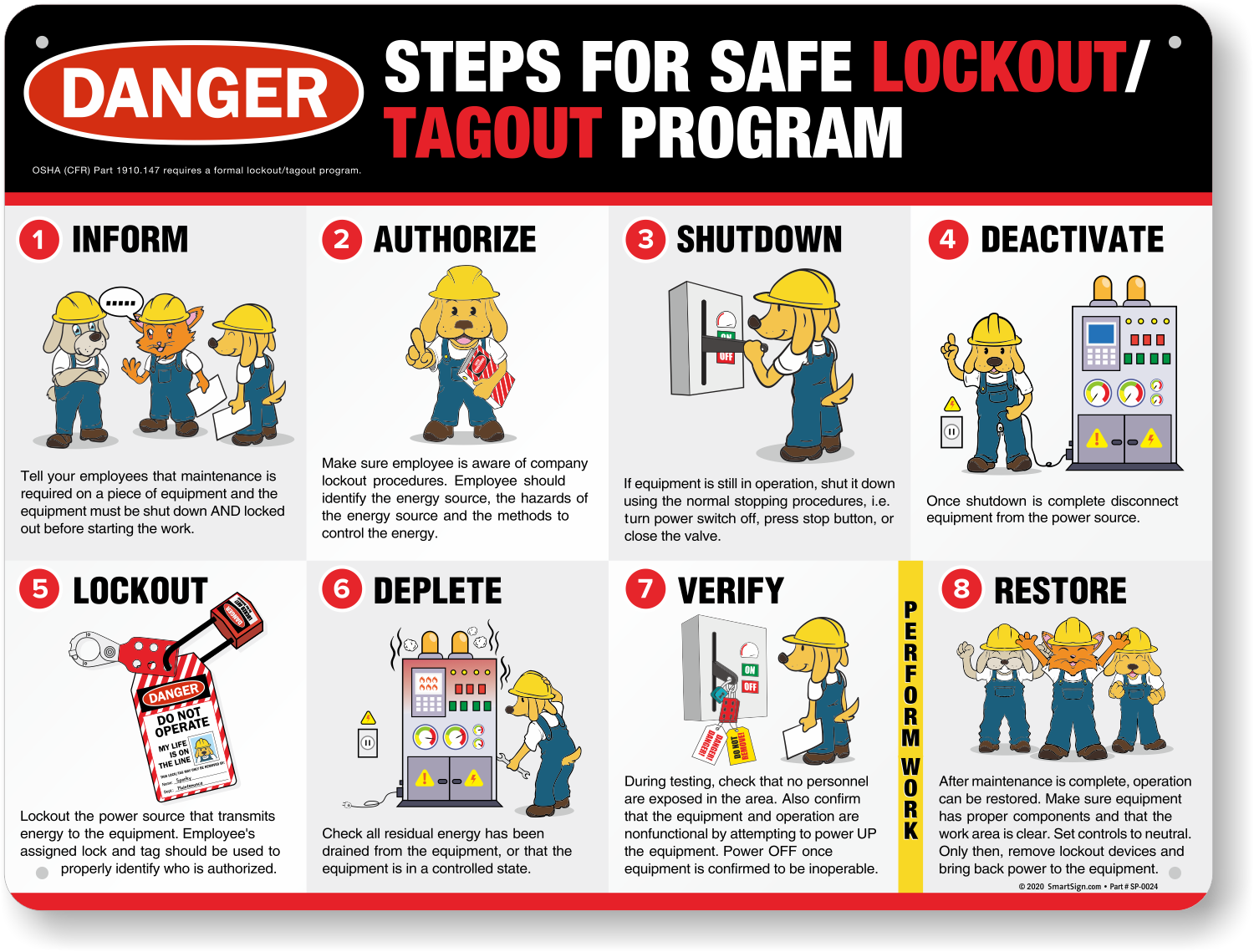
Tools under repair are especially dangerous. Unexpected energizing can cause amputation, crushing, or electrocution.
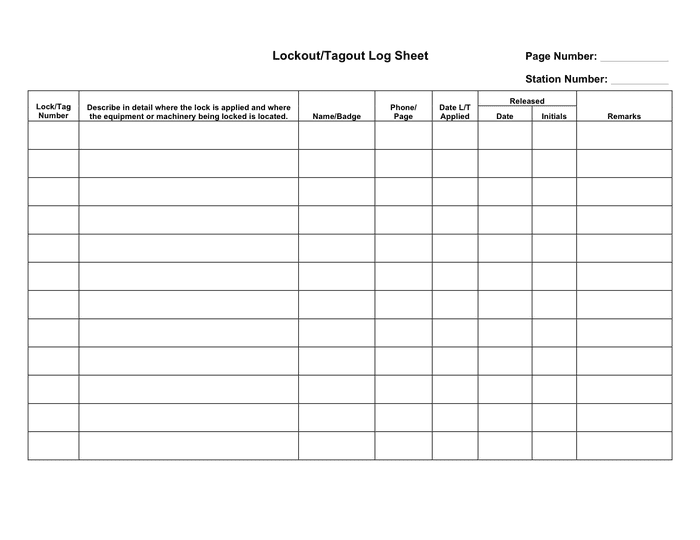
LOTO Essentials: - Identify all energy sources (electrical, hydraulic, pneumatic) - Shut down and isolate the equipment - Apply lockout device and personal tag - Verify zero energy before beginning work - Only the authorized employee removes the lock
Critical Failure: Skipping LOTO because “it’ll just take a minute.” Time doesn’t reduce risk.
Incident Example: A technician cleared a jammed conveyor belt without locking out the motor. A coworker restarted the system remotely, resulting in a severe arm injury.
Enforcement Tip: Conduct surprise LOTO audits. Reward compliance; retrain after violations.
Training and Accountability
Safety talks only work if they’re consistent and documented. One-off lectures have little impact.
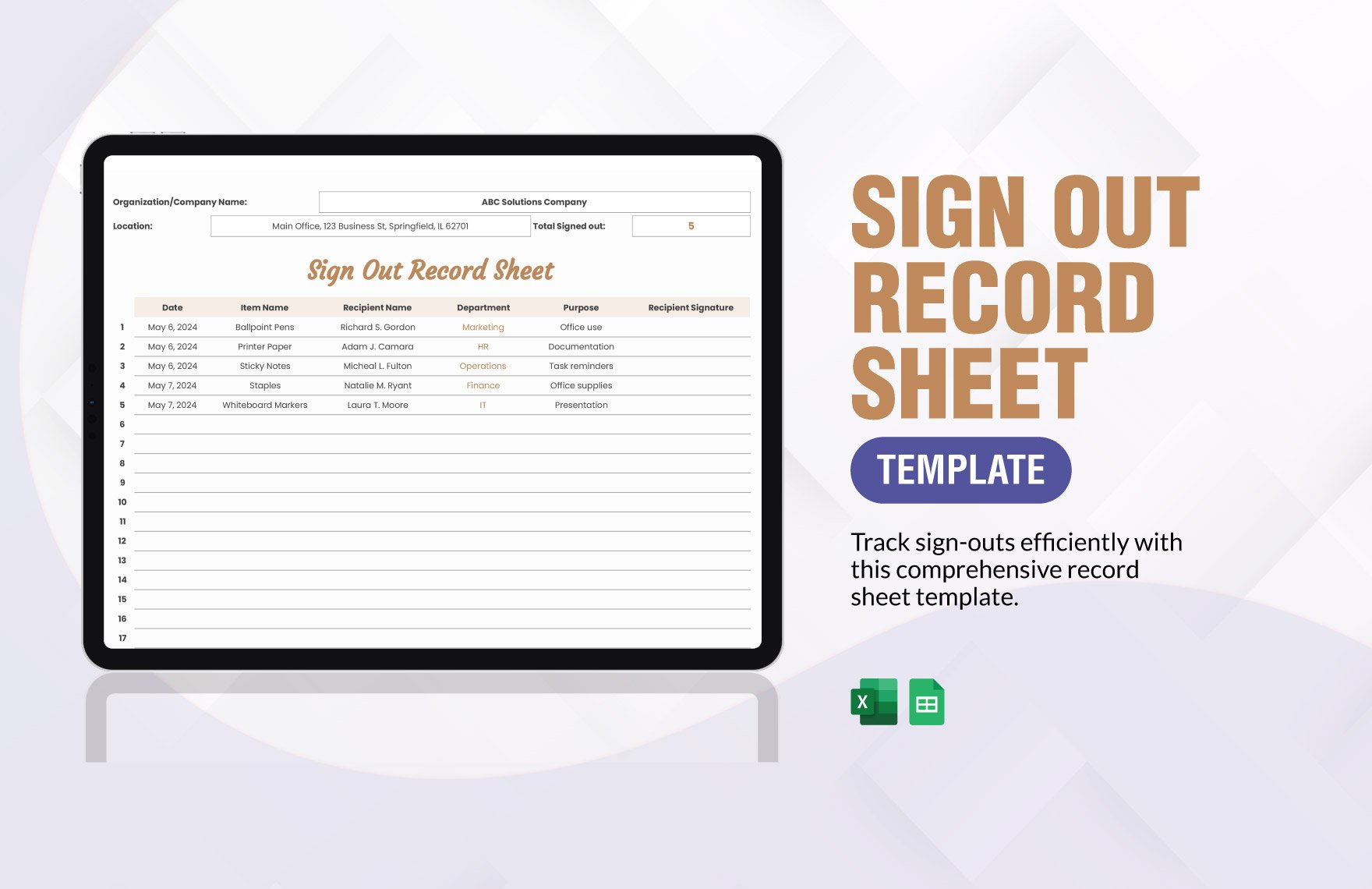
Best Practices: - Schedule talks weekly or biweekly (10–15 minutes each) - Rotate presenters to increase engagement - Keep sign-in sheets for attendance - Follow up with on-the-job observations - Address repeat issues in subsequent talks
Common Gap: No follow-up. Workers attend, sign in, and return to old habits.
Effective Model: A plumbing contractor uses a “Talk & Track” system—each safety topic includes a checklist reviewed during the next day’s site walkthrough. Issues are corrected in real time.
Conclusion: Make Safety Routine, Not Reactive
Toolbox safety talks shouldn’t be box-ticking exercises. They’re proactive tools to stop injuries before they happen. Focus on real behaviors, real risks, and real accountability. Rotate topics monthly, use real incidents as teaching moments, and empower every worker to speak up when something feels unsafe.
Start next week with a 10-minute talk on tool inspection. Ask each worker to show their most-used tool and walk through its safety features. That small act builds awareness, ownership, and culture.
Safety isn’t a policy. It’s a practice. And it begins with the right conversation.
FAQ
What is the purpose of a toolbox safety talk? To deliver short, focused safety discussions that address specific hazards, reinforce safe behaviors, and promote awareness before work begins.
How long should a toolbox talk last? Ideally 10–15 minutes—long enough to cover a topic thoroughly, but short enough to maintain attention.
Who should lead a toolbox safety talk? Supervisors, safety officers, or trained crew members. Rotating presenters increases engagement.
Do toolbox talks need to be documented? Yes. Keep records of topics, dates, attendees, and signatures for compliance and accountability.
Can toolbox talks reduce workplace injuries? Yes. Regular, relevant talks improve hazard recognition and reinforce safe practices, directly reducing incident rates.
Should toolbox talks be the same every time? No. Rotate topics monthly and tailor content to current projects, seasons, or recent near-misses.
Are toolbox talks required by OSHA? While OSHA doesn’t mandate “toolbox talks” by name, they require regular safety training and communication—toolbox talks fulfill this obligation effectively.
FAQ
What should you look for in Essential Toolbox Safety Talk Topics for Every Worksite? Focus on relevance, practical value, and how well the solution matches real user intent.
Is Essential Toolbox Safety Talk Topics for Every Worksite suitable for beginners? That depends on the workflow, but a clear step-by-step approach usually makes it easier to start.
How do you compare options around Essential Toolbox Safety Talk Topics for Every Worksite? Compare features, trust signals, limitations, pricing, and ease of implementation.
What mistakes should you avoid? Avoid generic choices, weak validation, and decisions based only on marketing claims.
What is the next best step? Shortlist the most relevant options, validate them quickly, and refine from real-world results.