Most construction site accidents are preventable. Yet every year, preventable injuries occur because safety conversations never happen—or are poorly executed. Toolbox talks are short, focused safety meetings designed to reinforce awareness, address immediate risks, and promote a culture of safety. When done right, they reduce incidents. When skipped or rushed, they cost lives.
If you're searching for "toolbox talk topics construction pdf," you're likely looking for actionable, ready-to-use safety content that saves time and enhances compliance. This guide delivers exactly that—curated topics, practical examples, and free PDF-ready formats to streamline your safety program.
What Are Toolbox Talks and Why They Matter
Toolbox talks are brief (5–15 minute) safety discussions held at the job site before work begins. They’re not formal training sessions but targeted conversations about specific hazards, procedures, or behaviors. Their goal: keep safety top of mind.
On construction sites, where conditions change daily, these talks bridge the gap between policy and practice. They’re especially effective when tied to real-time conditions—like working at height after scaffolding is erected or discussing trench safety before excavation starts.
Why they fail (and how to fix it): - Generic content: Talking about PPE every week without context bores crews. - One-size-fits-all delivery: A talk on crane safety means nothing to electricians. - No follow-up: If nothing changes after the talk, workers see it as a box-ticking exercise.
Fix it by making talks specific, relevant, and action-oriented. A toolbox talk on ladder safety should include the ladders being used that day, demonstrate correct setup, and ask workers to share near-misses.
10 Must-Cover Toolbox Talk Topics for Construction
These topics address the most common causes of construction injuries and fatalities. Each can be delivered as a standalone 10-minute session and adapted into a downloadable PDF.
1. Working at Height Falls are the leading cause of death in construction. Talks should cover: - Proper use of fall protection systems (harnesses, lanyards, anchors) - Inspection of scaffolding and mobile elevated work platforms (MEWPs) - Weather impacts (wind, rain) on elevated work
Example: Before roofing begins, review edge protection, secure ladders, and rescue plans. Include photos of incorrect vs. correct setup.
2. Electrical Safety
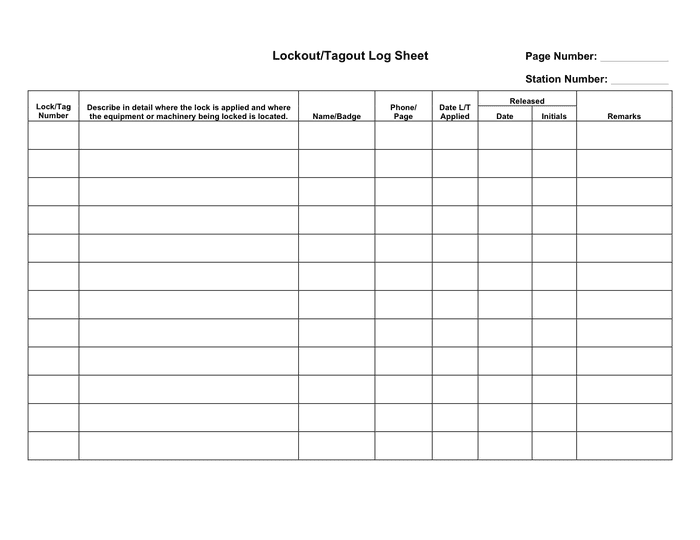
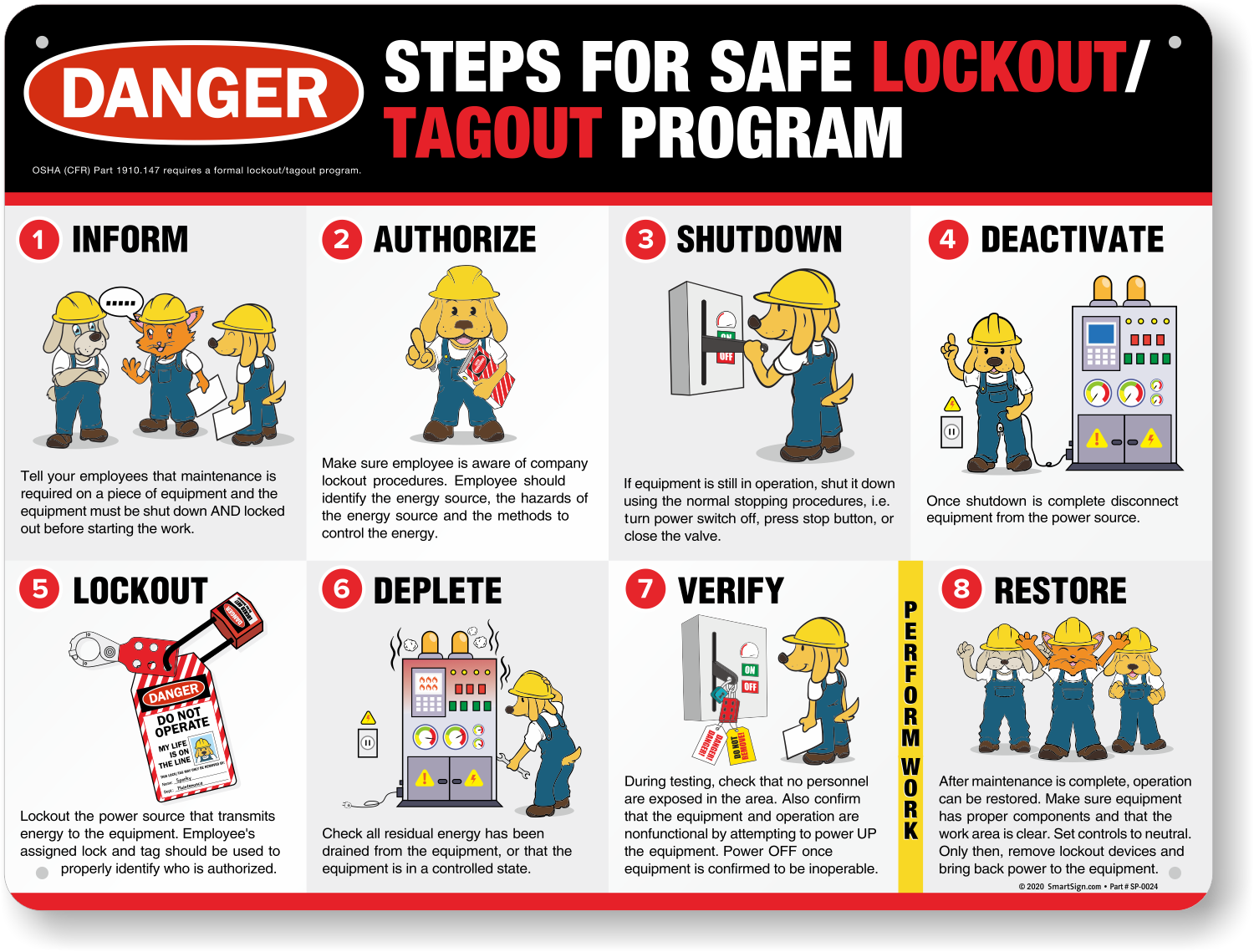
With temporary power and live circuits common on sites, risks are high. Focus on: - Lockout/tagout (LOTO) procedures - Recognizing overhead and underground lines - Using GFCI-protected tools
Common mistake: Workers assume "low voltage" means "safe." Emphasize that even 120V can be lethal.
![The 18 best construction toolbox talk topics [Free PDF download]](https://sitemate.com/wp-content/uploads/2018/12/Construction-toolbox-talk-topics.jpg)
3. Hand and Power Tool Safety Tools cause hundreds of injuries annually. Discuss: - Pre-use inspection (frayed cords, damaged guards) - Proper PPE (gloves, eye protection) - Correct storage and handling
Realistic use case: Demonstrate how a loose grinding disc can shatter and show the correct guard positioning.
4. Excavation and Trenching Cave-ins can bury workers in seconds. Key points:
- Soil classification and shoring requirements
- Spoil pile distance (at least 2 feet from edge)
- Emergency rescue procedures
Rule of thumb: No one enters a trench over 5 feet deep without protective systems.
5. Hazard Communication (HazCom) Workers must understand chemical risks. Cover:
- Reading Safety Data Sheets (SDS)
- Label interpretation (GHS pictograms)
- Proper storage and spill response
Limitation: Many workers don’t read SDSs. Use visual aids and role-play spill scenarios.
6. Personal Protective Equipment (PPE) Beyond “wear your gear,” focus on why and how. Include: - Fit testing for respirators - When to replace hard hats (after impact or 5 years) - Limitations of PPE (it’s the last line of defense)
Workflow tip: Start the talk by asking workers to show their PPE. Spot-check condition and fit.
7. Ladder Safety Simple doesn’t mean safe. Teach:
- The 4:1 rule (one foot out for every four feet up)
- Three-point contact
- Max load and setup surface
Example: Show a photo of a ladder leaning on unstable bricks—ask the crew what’s wrong.
8. Fire Prevention and Hot Work Welding, cutting, and grinding spark fires daily. Address: - Fire watch requirements - Clearance of combustibles - Permit-to-work systems
Critical point: Fire watch must last at least 30 minutes after work ends.
9. Material Handling and Manual Lifting Musculoskeletal disorders are common but preventable. Discuss: - Proper lifting technique (bend knees, keep back straight) - Use of mechanical aids (dollies, hoists) - Team lifting signals
Use case: Have two workers demonstrate a correct vs. incorrect lift—then ask the crew to critique.
10. Site-Specific Hazard Alerts Tailor talks to current conditions. Examples:
- Crane operations in high wind
- Night work visibility
- Confined space entry
Best practice: Use weekly safety walks to identify topics. If you see loose cables, talk about trip hazards the next morning.
How to Turn Topics into Effective PDF Toolbox Talks
PDFs make toolbox talks easy to distribute, archive, and standardize. But most are poorly designed—text-heavy, generic, and ignored.
Create impactful PDFs with this structure:
- Title & Date
- Clear and specific: “Ladder Safety – March 2025”
- Hazard Summary (1–2 sentences)
- “Incorrect ladder setup causes 300+ falls annually.”
- Key Safety Points (bulleted)
- Use icons or bold headers for scannability.
- Visual Example
- Include a photo, diagram, or before/after image.
- Discussion Question
- “What near-miss have you had with ladders?”
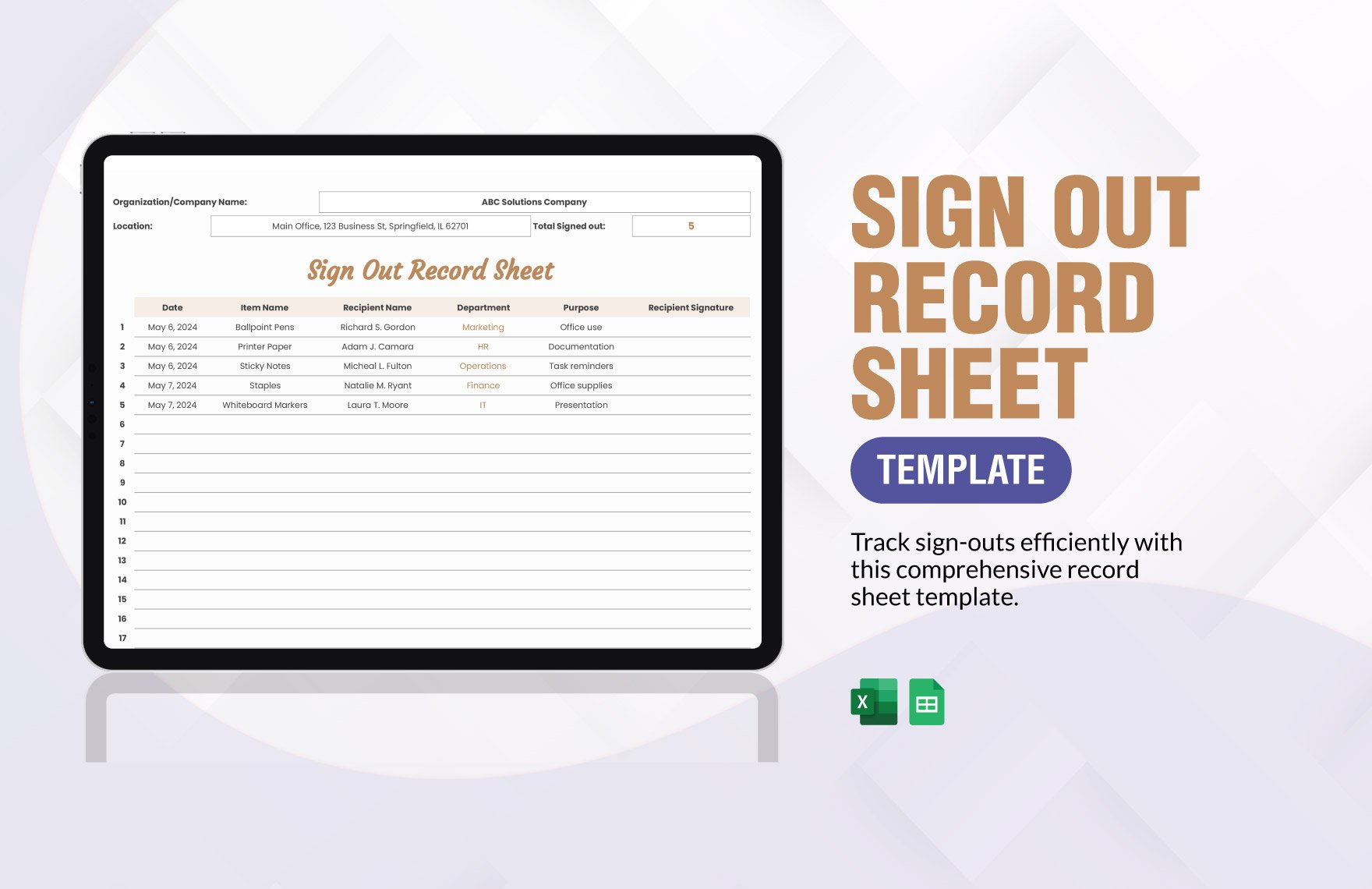
- Sign-Off Sheet
- Workers and supervisor sign to confirm attendance.
Pro tip: Use landscape format for easy tablet viewing. Avoid full paragraphs—use short sentences and active voice.
Free, Downloadable Toolbox Talk PDFs (Ready to Use)
While you can build your own, pre-made PDFs save time and ensure consistency. Here are five reliable sources for free, high-quality toolbox talk PDFs:
| Source | Topics Covered | Format | Customization Allowed | Notes |
|---|---|---|---|---|
| OSHA.gov | 20+ topics | PDF, editable text | Yes | Government-verified, no fluff |
| SafetyInfo.com | 50+ talks | PDF, PowerPoint | Yes | Requires free registration |
| Creative Safety Supply | 30+ topics | Yes | Clean design, visual-heavy | |
| HSI (Health & Safety Institute) | 40+ | PDF, online training | Limited | Some require subscription |
| SafetyCulture (iAuditor) | 100+ | PDF, mobile app | Yes | Editable templates, cloud storage |
These resources let you download, tweak, and deploy talks in minutes. For example, adapt OSHA’s fall protection template with your company logo and site-specific rules.
Common Mistakes to Avoid in Toolbox Talks
Even well-intentioned talks fail when these errors occur:
- Reading verbatim from a script
- Workers tune out. Deliver with eye contact and energy.
- Ignoring worker input
- Safety is a two-way conversation. Ask: “What risks do you see today?”
- No follow-up or accountability
- If unsafe behavior continues, the talk had no impact. Reinforce with supervisors.
- Same topic, same style, every week
- Rotate formats: show a short video, use flash cards, or run a 5-minute quiz.
- Holding talks in poor conditions
- Rain, noise, or rush to start work kills engagement. Pick a sheltered, quiet spot.
Workflow tip: Assign crew leads to deliver one talk per month. It builds ownership and improves delivery quality.
Integrating Toolbox Talks into Your Safety Program
These talks shouldn’t exist in isolation. Embed them in a larger safety system:
- Link to JSA (Job Safety Analysis): Use JSAs to identify daily hazards, then build talks around them.
- Track attendance digitally: Use apps like iAuditor or SafetyTek to log talks and generate reports.
- Review monthly: Analyze which topics had the most incidents post-talk. Adjust focus accordingly.
- Audit delivery: Have safety managers sit in occasionally to assess engagement and clarity.
When toolbox talks are part of a living safety culture—not a compliance checkbox—they drive real behavior change.
Final Thoughts: Make Safety Stick
Toolbox talks aren’t about checking a box. They’re about saving lives. The best ones are timely, visual, and interactive. They connect to what workers are doing today, not abstract rules.
Use the topics and PDF structures above to build a library of practical, impactful safety moments. Download templates, customize them, and deliver them with purpose. Rotate topics, involve your crew, and follow up.
Safety isn’t a one-time talk. It’s a daily conversation. Start it right.
FAQ
What should you look for in Top Toolbox Talk Topics for Construction Sites & Free PDF Guide? Focus on relevance, practical value, and how well the solution matches real user intent.
Is Top Toolbox Talk Topics for Construction Sites & Free PDF Guide suitable for beginners? That depends on the workflow, but a clear step-by-step approach usually makes it easier to start.
How do you compare options around Top Toolbox Talk Topics for Construction Sites & Free PDF Guide? Compare features, trust signals, limitations, pricing, and ease of implementation.
What mistakes should you avoid? Avoid generic choices, weak validation, and decisions based only on marketing claims.
What is the next best step? Shortlist the most relevant options, validate them quickly, and refine from real-world results.