Safety meetings often become routine, forgettable rituals. Crews gather, a supervisor reads from a script, and five minutes later, everyone returns to work — none the wiser. That’s not engagement. That’s box-ticking.
The difference between ineffective meetings and transformative safety culture lies in content. The right toolbox talk topics don’t just inform — they resonate. They connect real hazards to real situations workers face daily. And when those topics are available as a free download, consistent, high-impact safety communication becomes achievable for every team, regardless of budget.
This guide delivers exactly that: actionable, downloadable toolbox talk topics designed for practicality, clarity, and compliance — no fluff, no paywalls.
What Makes a Toolbox Talk Topic Effective
Not all topics are created equal. A good toolbox talk doesn't recite policy — it starts a conversation. Here’s what separates useful content from filler:
- Specificity: “Fall Protection” is too broad. “Inspecting Lanyards Before Use at Heights” is actionable.
- Relevance: Topics must reflect current site conditions, season, or recent incidents.
- Engagement: Good topics prompt questions — “What would you do if…?” or “Have you seen this risk before?”
- Time efficiency: Each talk should fit within 10 minutes. Topics must support that constraint.
Example: Instead of “Electrical Safety,” use: "Avoiding Overloaded Extension Cords in Temporary Power Setups" This version names a real, common hazard and implies a behavioral change.
Common mistake: recycling the same 10 generic topics monthly. Workers tune out. Rotate content strategically — align with project phases, weather changes, or incident trends.
Most Critical Toolbox Talk Topics You Can Download for Free
These are the high-impact areas that prevent the majority of jobsite incidents. Each topic can be turned into a 5–10 minute discussion with minimal prep.
1. Hazard Reporting: Why and How to Speak Up
Many near-misses go unreported due to fear, time pressure, or lack of clarity. A focused talk on reporting procedures — combined with psychological safety reinforcement — saves lives. Include a real anonymous example: > “Last week, a frayed cable was spotted but not reported. Two days later, it tripped a breaker during welding.” This makes the abstract rule real.
2. Proper Use of Fall Protection Equipment Falls remain the leading cause of death in construction. This topic should include: - Daily harness inspection checklist - Anchor point requirements - Common misuse (e.g., looping lanyard around sharp edges)
Tip: Do a live demo. Have a worker inspect a harness while others spot errors.
3. Working Around Heavy Equipment Pedestrian-vehicle incidents are preventable. Key talking points:
- Blind spots (show equipment blind spot diagrams)
- Communication signals (hand vs. radio)
- Minimum safe distances
Use a site-specific example: “Remember last month when the backhoe almost hit the surveyor near the trench?”
4. Heat Stress Prevention Especially critical in summer or enclosed spaces. Focus on early symptoms: - Dizziness, nausea, cramps - Acclimatization timeline (new workers need 7–14 days) - Hydration protocol (one cup every 15–20 mins in heat)
Mistake: Assuming workers know when they’re overheating. They often don’t. Teach team members to watch each other.
5. Manual Handling and Lifting Techniques Back injuries are costly and common. Avoid vague advice like “lift with your legs.” Instead, focus on situational strategies: - When to use mechanical aids - Team lifting signals - Assessing load balance before lifting
Demonstrate improper vs. proper form with common site materials (e.g., drywall sheets, conduit bundles).
Where to Find Free, High-Quality Toolbox Talk Templates
Reinventing the wheel every week isn’t sustainable. Trusted sources offer free toolbox talk topics you can download, customize, and deploy immediately.
Here are 5 reliable resources:
| Resource | Key Features | Format | Language |
|---|---|---|---|
| OSHA.gov | Government-verified, compliant with standards | PDF, text | English |
| NIOSH (CDC) | Research-backed, health-focused topics | PDF, guides | English |
| SafetyInfo.com | 100+ free topics, printable, editable | Word, PDF | English |
| HSE UK (hse.gov.uk) | Clear, visual-heavy talks | English | |
| SafetyCulture (iAuditor) | Modern templates, digital-friendly | PDF, app-ready | English |
Pro Tip: Download 4–6 weeks’ worth at once. Store them in a shared folder with your crew leads. Add site-specific photos or notes to make them feel tailored.
Limitation: Free templates often lack industry-specific depth. A roofing crew needs different fall protection examples than a warehouse team. Always customize.
How to Customize Downloaded Topics for Maximum Impact
A downloaded template is a starting point — not the final product.
Step 1: Add Real Site References Replace generic images with photos from your project. Example: Instead of a stock photo of a ladder, use one taken at your site showing a real setup — then discuss what’s done right or wrong.
Step 2: Insert Recent Observations Did you see someone bypass a guardrail yesterday? Reference it: “This week, we noticed a ladder placed on uneven ground near the staging area. Let’s talk why that’s a high-risk move.”
Step 3: Translate to Behavioral Outcomes End each talk with one clear action: - “Before climbing, each of you will check your harness D-ring.” - “Report any damaged gloves to the foreman by EOD.”
This turns discussion into accountability.
Workflow Tip: Assign a different crew member each week to lead the talk using your downloaded template. Rotate responsibility — it boosts ownership and engagement.
Common Mistakes That Undermine Toolbox Talks
Even with great topics, execution matters. Watch for these pitfalls:
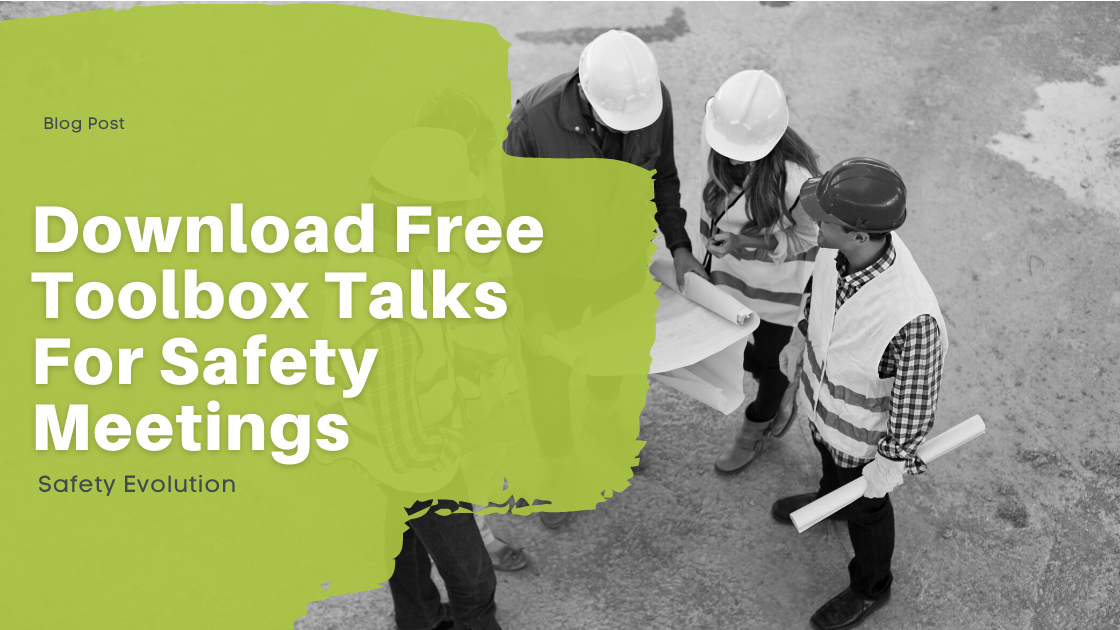
- Holding talks in poor conditions: Cold, loud, or rushed environments kill focus. Find a quiet, sheltered spot.
- One-way delivery: If no one speaks, it’s not a talk — it’s a lecture. Ask open-ended questions.
- Ignoring feedback: If workers suggest adding a topic (e.g., “Can we talk about night shift visibility?”), do it.
- Using outdated content: A talk on respirators from 2018 may miss new filtration requirements. Review annually.
Example: A crew repeatedly ignored PPE talks — until the supervisor started showing photos of real injuries from similar sites. Engagement spiked. Visuals and relevance win.
Integrating Downloaded Topics into Your Safety Workflow
Consistency beats intensity. A 7-minute talk every Tuesday and Thursday works better than a 30-minute monthly marathon.
Recommended Weekly Cadence:
- Monday: Start with a hazard alert (e.g., new crane operations)
- Wednesday: Focus on behavior (e.g., housekeeping in high-traffic zones)
- Friday: Review near-misses or close calls from the week
Use your downloaded topics to fill this schedule. Plan one month ahead.
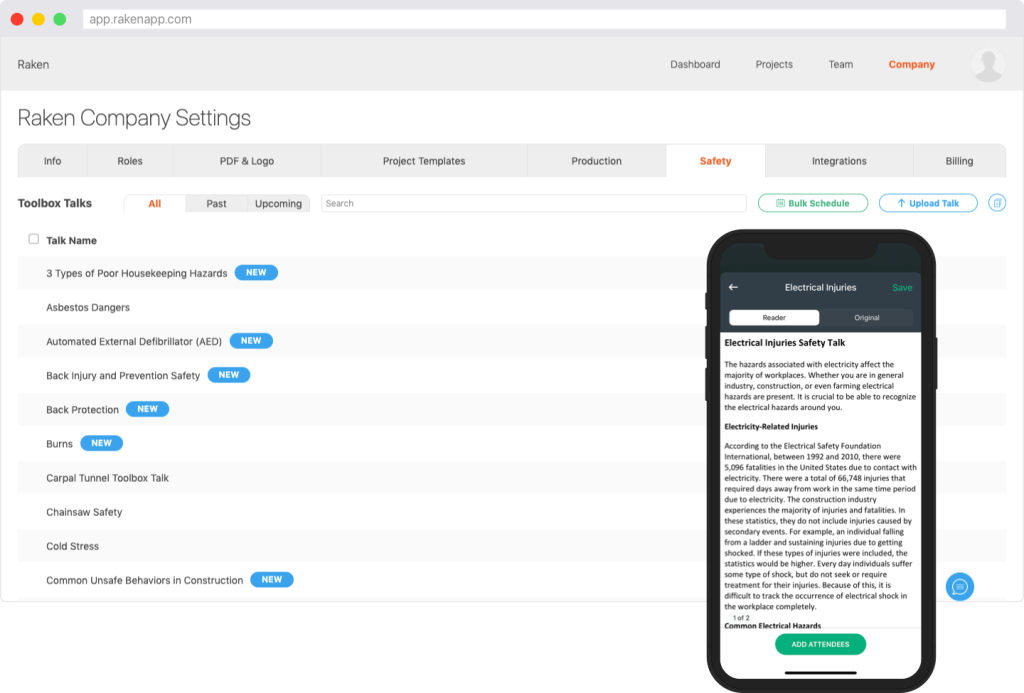
Digital Option: If your team uses mobile devices, upload talks to a free app like Google Drive or Notion. Tag by topic, date, and crew.
Paper Backup: Always print a copy. Not every site has reliable signal.
Ready-to-Use Toolbox Talk Topics: Free Download Checklist
Use this checklist when evaluating or preparing talks:
✅ Under 10 minutes in length ✅ One clear safety behavior or takeaway ✅ Includes a real-world example or scenario ✅ Uses simple language (avoid jargon) ✅ Prompts at least one worker response ✅ Aligned with current site activities ✅ Visually supported (photo, diagram, or demo)
Apply this filter to any free download before using it. Cut the fluff. Keep what drives action.
Start Strong: Pick One Topic, Run It Tomorrow
Don’t wait for a perfect system. Download three toolbox talk topics today — customize one for your site — and run it in your next crew meeting.
The goal isn’t perfection. It’s consistent, conversation-driven safety.
Free templates give you the foundation. Your team’s experience gives it life. Combine both, and you don’t just check a compliance box — you build a safer workplace, one talk at a time.
FAQ
Where can I find toolbox talk topics in PDF for free? OSHA.gov, SafetyInfo.com, and HSE UK offer free, downloadable PDFs on common safety topics.
Are free toolbox talk templates OSHA compliant? Many are, especially those from government sites like OSHA or NIOSH. Always verify alignment with current standards.
Can I edit downloaded toolbox talk topics? Yes — and you should. Customize them with your site details, photos, and crew input for better engagement.
How often should toolbox talks be held? At minimum, weekly. High-risk sites benefit from twice-weekly or daily meetings.
What should a toolbox talk include? A clear topic, real hazard example, safety procedure, visual aid, and time for discussion.
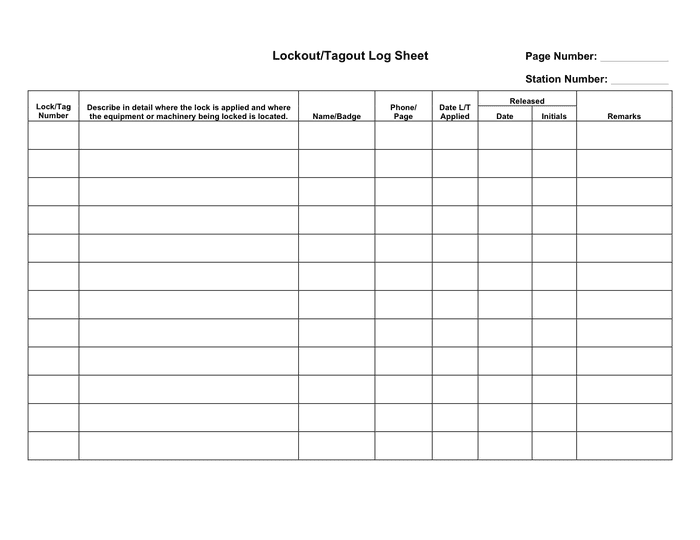
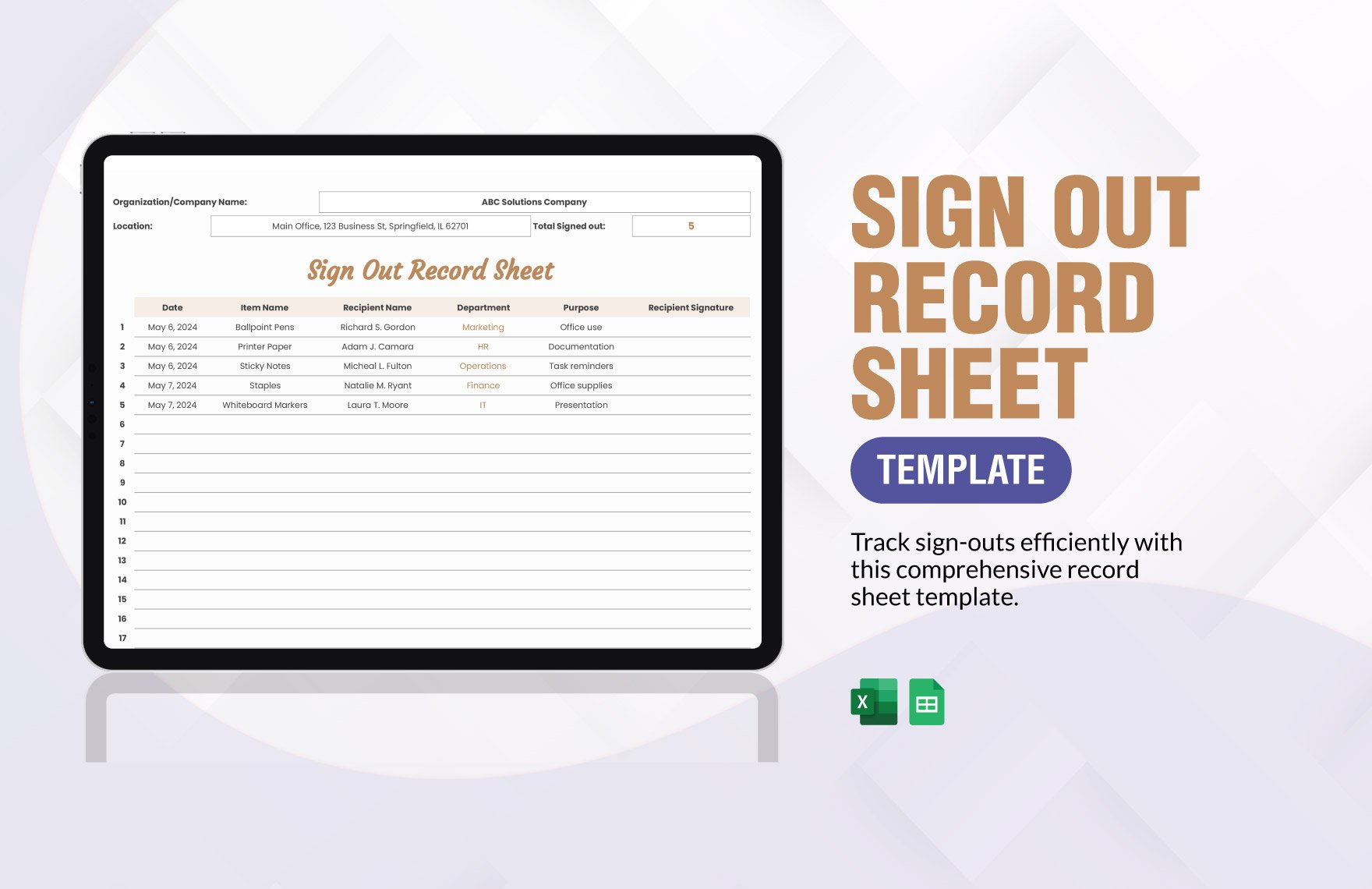
Do toolbox talks need to be documented? Yes. Keep sign-in sheets or logs to track attendance and topics covered for compliance.
How long should a toolbox talk last? Ideally 5–10 minutes. Focus on one topic and a specific action step.
FAQ
What should you look for in Top Toolbox Talk Topics Free Download for Worksite Safety? Focus on relevance, practical value, and how well the solution matches real user intent.
Is Top Toolbox Talk Topics Free Download for Worksite Safety suitable for beginners? That depends on the workflow, but a clear step-by-step approach usually makes it easier to start.
How do you compare options around Top Toolbox Talk Topics Free Download for Worksite Safety? Compare features, trust signals, limitations, pricing, and ease of implementation.
What mistakes should you avoid? Avoid generic choices, weak validation, and decisions based only on marketing claims.
What is the next best step? Shortlist the most relevant options, validate them quickly, and refine from real-world results.