Safety isn’t a one-time checklist. It’s an ongoing conversation—especially on active job sites where risks evolve daily. Yet, many supervisors struggle to start safety meetings with fresh, relevant content. That's where free safety toolbox talks downloads come in: concise, actionable, and ready to use. These tools eliminate guesswork, helping teams maintain compliance, improve awareness, and prevent incidents without burning time crafting materials from scratch.
But not all free resources are created equal. Scattered across blogs, vendor sites, and government portals, the best downloads offer clarity, structure, and real-world relevance. This guide cuts through the noise, delivering practical access points, reliable sources, and smart usage strategies for free safety toolbox talks.
Why Free Toolbox Talks Matter in Real Work Environments
Toolbox talks—short safety meetings held at the job site—are essential for reinforcing safe behavior. OSHA recommends regular safety discussions, especially when introducing new tasks, equipment, or environmental conditions. The challenge? Consistency. Supervisors often lack time, templates, or topic variety to keep these sessions engaging.
Free downloadable toolbox talks solve that. They provide:
- Immediate usability – Print and go, no formatting needed
- Regulatory alignment – Many follow OSHA, ANSI, or industry-specific standards
- Topic diversity – From fall protection to ergonomics, coverage is broad
- Time savings – No drafting from scratch; customize in minutes
But here’s the catch: generic templates without context fail. A downloaded talk about electrical safety won’t help if it doesn’t reflect your site’s specific equipment or crew size. The key is finding adaptable, well-structured content—and knowing how to use it.
Top 5 Sources for Reliable Free Safety Toolbox Talks Downloads
Not all free downloads are trustworthy. Some lack technical accuracy, others are poorly organized. The following sources deliver professionally vetted, regularly updated materials.
| Source | Key Features | Format | Access |
|---|---|---|---|
| OSHA.gov | Government-vetted topics, compliant with standards | PDF, text guides | Direct download |
| NASP (National Association of Safety Professionals) | Industry-specific talks, editable formats | PDF, Word | Free with email sign-up |
| SafetyInfo.com | Real-world scenarios, illustrated examples | Immediate download | |
| HSE UK (hse.gov.uk) | Internationally relevant topics, clear language | PDF, checklists | Open access |
| ConstructionSafety.com | Construction-focused, bilingual (EN/ES) options | Free with registration |
Pro Tip: Always verify the publication date. Safety standards change. A 2018 fall protection talk may not reflect current anchor point requirements.
Common Mistakes When Using Free Downloads
Downloading a toolbox talk is the easy part. Misusing it undermines its value. Watch for these pitfalls:
#### 1. Reading Aloud Without Engagement Simply reading a script kills participation. Instead, stop after each section and ask: - “Has anyone seen this hazard before?” - “What would you do differently?”

#### 2. One-Size-Fits-All Application Using a general “PPE” talk without referencing your site’s specific gear leads to disengagement. Customize with your company logo, site rules, and actual photos.
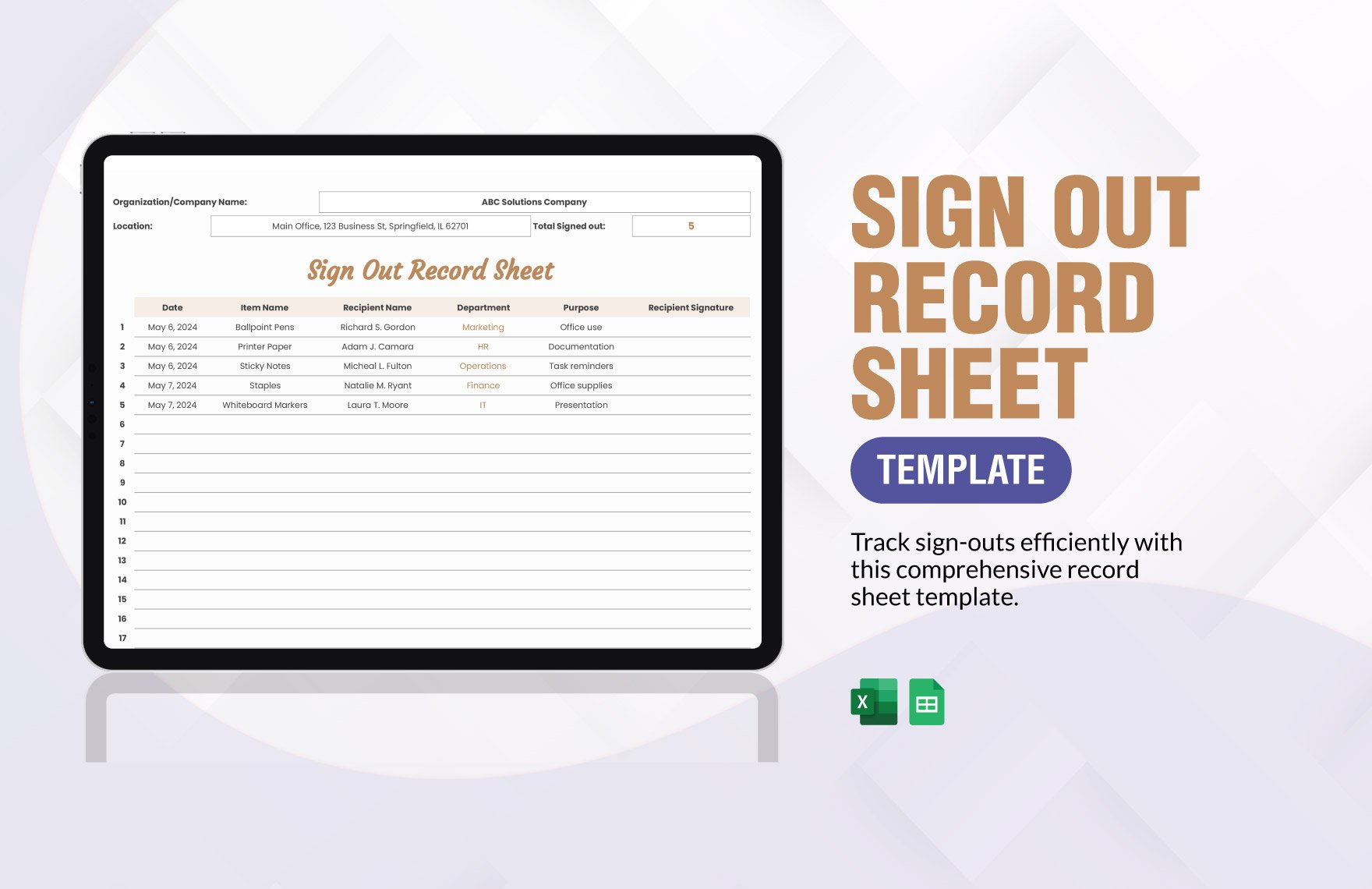
#### 3. Skipping Sign-In Sheets Free downloads often don’t include attendance logs. Add one. It’s critical for compliance and audit trails.
#### 4. Infrequent or Inconsistent Use Dropping toolbox talks for weeks then doing three in one day signals they’re a box-ticking exercise. Aim for weekly, 10- to 15-minute sessions.
#### 5. Ignoring Local Conditions A talk about heat stress in Florida won’t resonate in Minnesota in winter. Adjust examples to match current weather, tasks, and crew roles.
How to Customize Free Downloads for Maximum Impact
A template is a starting point. Real impact comes from localization.
Example: You download a free “Ladder Safety” talk. Instead of delivering it as-is:
- Insert a photo of the ladder type used on your site
- Add a near-miss story from your team (e.g., “Last month, a worker slipped on a damp rung during roof access”)
- Highlight site-specific rules – e.g., “All extension ladders must extend 3 feet above the landing point”
- Include a quick field check – Take the team to inspect a ladder post-talk
This transforms a generic resource into a relevant, memorable session.
Workflow Tip: Store customized talks in a shared drive with naming convention: [Date]_[Topic]_[Project]_Customized.pdf (e.g., 2025-03-14_Ladder_Safety_SiteB_Customized.pdf)
Most Downloaded Topics (And Why They Work)
Certain topics dominate download stats because they’re high-risk and universal. Focus on these first:
#### 1. Fall Protection - Most cited OSHA violation - Covers harness checks, anchor points, and edge awareness - Works across construction, warehousing, and maintenance
#### 2. Hand Safety - Simple, relatable (everyone uses hands) - Covers pinch points, glove selection, and machine guarding - Easily paired with PPE inspection drills
#### 3. Slips, Trips, and Falls - Applies to offices and job sites alike - Addresses housekeeping, lighting, and footwear - Often overlooked despite high incident rates
#### 4. Hot Work & Fire Safety - Critical for welding, cutting, and grinding tasks - Includes permit reviews and fire watch duties - High consequence if ignored
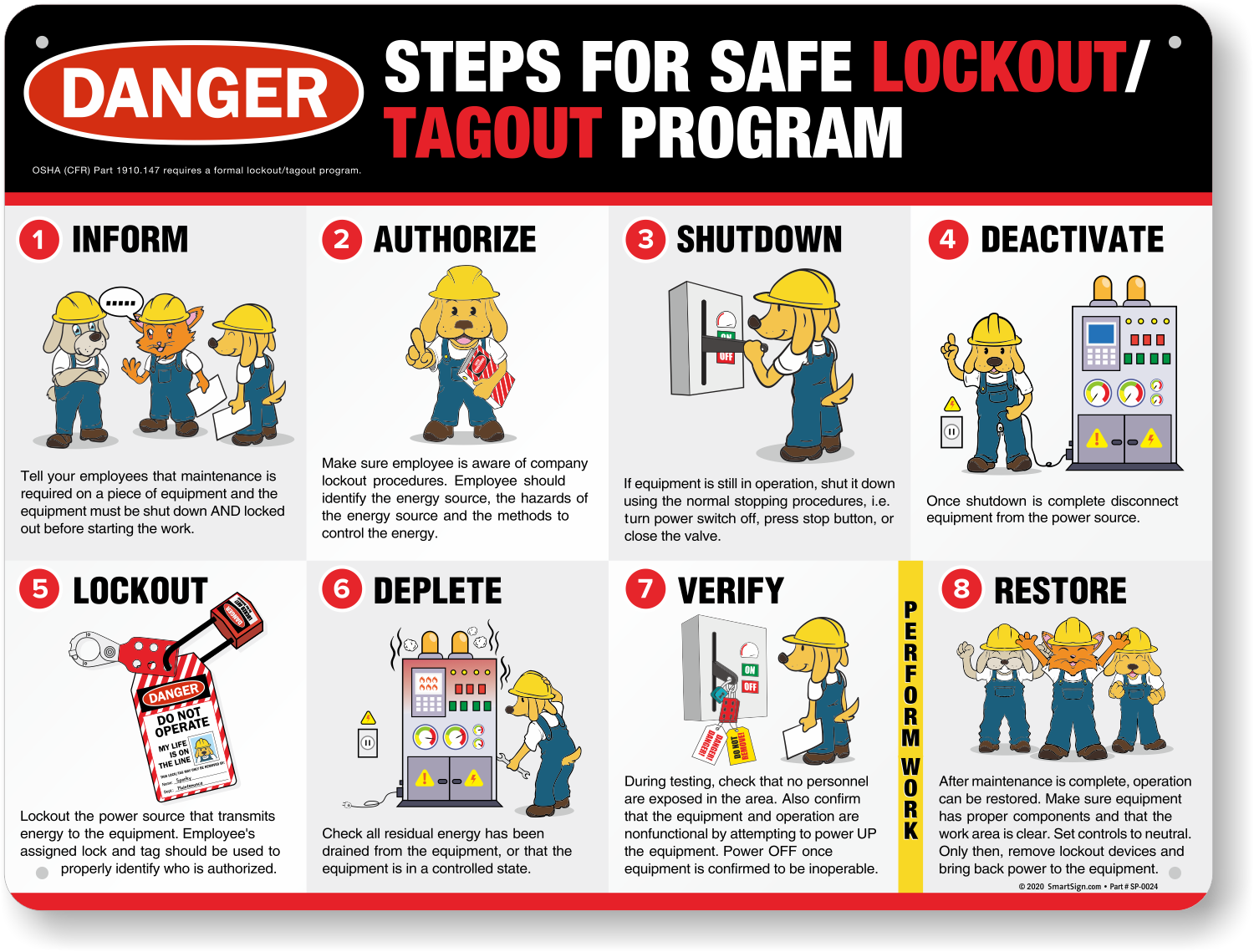
#### 5. Electrical Safety - Covers lockout/tagout basics, overhead lines, and equipment checks - Vital for maintenance crews and electricians
These topics are consistently searched and downloaded because they address common, preventable incidents with clear action steps.
How to Run a Better Toolbox Talk—Even
With a Free Template
A great talk isn’t about the document. It’s about delivery.
Use this proven structure:

- Hook (1 min) – Start with a question or story
- “Three weeks ago, a worker in Texas lost two fingers to an unguarded conveyor. Could that happen here?”
- Review Hazards (3 min) – Use the download to highlight risks
- - Show visuals if available
- - Link to site-specific conditions
- Interactive Discussion (5 min) – Ask open-ended questions
- - “What controls do we already have in place?”
- - “Where have you seen this go wrong?”
- Action Step (2 min) – Assign one takeaway
- - “Today, everyone checks their gloves before starting work”
- - “Report any frayed cords by end of shift”
- Sign-In (2 min) – Complete attendance log
This approach turns passive listeners into active participants—without reinventing the wheel.
Where to Store and Organize Your Downloads
A single download is useful. A system is transformative.
Create a digital safety library with these folders:
/Safety Talks /By Topic (Fall Protection, PPE, etc.) /By Month (Archived sessions) /Customized (Edited versions) /Templates (Blank forms, sign-in sheets)
Bonus: Use a spreadsheet to track: - Date used - Topic - Supervisor - Crew size - Attendees (linked to sign-in)
This creates an audit-ready record—and helps rotate topics to avoid repetition.
Final Thoughts: Free Downloads Are Tools, Not Solutions
Free safety toolbox talks downloads are invaluable time-savers. But they’re not magic. Their value depends on how you use them.
The best teams don’t just download and read. They adapt, engage, and follow up. They treat each talk as a conversation starter—not a compliance chore.
Start with trusted sources. Customize for relevance. Deliver with intent. Repeat consistently.
Your next toolbox talk doesn’t need to be perfect. It just needs to happen—well-prepared, focused, and human.
FAQ
Where can I find free safety toolbox talks in PDF format? Reliable sources include OSHA.gov, SafetyInfo.com, and NASP’s resource center. Most offer direct PDF downloads with no paywalls.
Are free toolbox talks OSHA compliant? Many are designed with OSHA standards in mind, but always review for accuracy. Customization may be needed for full compliance.
Can I edit downloaded safety talks? Yes—most free downloads in Word or editable PDF format allow customization. Always update with site-specific details.
How often should toolbox talks be held? Weekly is ideal. For high-risk tasks, conduct one before starting the job.
Do toolbox talks need employee signatures? Yes. Attendance records are required for compliance and demonstrate due diligence.
Are there bilingual safety toolbox talks available for free? Yes, sites like ConstructionSafety.com offer Spanish-English versions, especially for construction and industrial use.
What’s the ideal length for a toolbox talk? Keep it between 10 and 15 minutes. Focus on one clear topic with time for discussion.
FAQ
What should you look for in Free Safety Toolbox Talks Downloads for Everyday Use? Focus on relevance, practical value, and how well the solution matches real user intent.
Is Free Safety Toolbox Talks Downloads for Everyday Use suitable for beginners? That depends on the workflow, but a clear step-by-step approach usually makes it easier to start.
How do you compare options around Free Safety Toolbox Talks Downloads for Everyday Use? Compare features, trust signals, limitations, pricing, and ease of implementation.
What mistakes should you avoid? Avoid generic choices, weak validation, and decisions based only on marketing claims.
What is the next best step? Shortlist the most relevant options, validate them quickly, and refine from real-world results.