Every year, workers are injured—or worse—because a machine powers on unexpectedly during maintenance. The fix isn’t complicated: a solid lockout tagout safety talk, consistently delivered, can prevent these tragedies. This isn’t just a checklist item. It’s a frontline defense against electrocution, crushing injuries, and fatalities in manufacturing, facilities, and industrial environments.
A lockout tagout (LOTO) safety talk bridges policy and practice. It turns a formal energy control program into something real—something workers understand, engage with, and follow. When done right, it’s not a lecture. It’s a conversation that reinforces accountability, clarifies risks, and strengthens safety culture.
Here’s how to make every LOTO safety talk count.
What Is a Lockout Tagout Safety Talk?
A lockout tagout safety talk is a short, focused discussion—typically 5 to 15 minutes—about the procedures, responsibilities, and real-world applications of LOTO protocols. It’s not a substitute for formal training, but it’s an essential reinforcement tool.
These talks happen at shift start, during safety meetings, or after near-misses. Their goal? Keep LOTO fresh in workers’ minds and highlight specific risks tied to daily tasks.
Unlike annual training, safety talks are situational. For example: - “Today’s maintenance includes the conveyor belt—review isolation points before starting.” - “New contractor on site—confirm they understand our LOTO process before granting access.”
- A strong safety talk answers three questions:
- What energy sources are involved?
- Who is responsible for locking and tagging?
- How do we verify zero energy before work begins?
When these points are discussed regularly, compliance becomes habit.
Why LOTO Safety Talks Prevent Real Injuries
The stakes are high. OSHA estimates that proper lockout tagout practices prevent 120 fatalities and 50,000 injuries annually in the U.S. Many of these incidents occur because: - Workers bypass locks to “save time.” - Multiple energy sources (electrical, hydraulic, pneumatic) are overlooked. - Tags are ignored or removed by unauthorized personnel.
A safety talk interrupts complacency. It’s where workers voice concerns like: > “I’ve seen the hydraulic line still under pressure even after the motor was locked.”
This isn’t theoretical. In 2022, a maintenance technician in Ohio was fatally injured when a press activated during servicing. The investigation found that while a tag was present, no lock was applied—and no pre-job safety talk had occurred.
Regular LOTO discussions surface these gaps. They create space for workers to say, “Wait—did we isolate the spring tension?” or “Is the backup battery system accounted for?”
Prevention happens in these moments.
Key Elements of an Effective LOTO Safety Talk
Not all safety talks are created equal. The ones that stick follow a simple but powerful structure.
#### 1. Start with a Real Scenario Open with a near-miss, a past incident, or a job happening that shift. For example: > “Last week, a motor re-energized during alignment. Let’s talk about how that can happen—and how we stop it.”
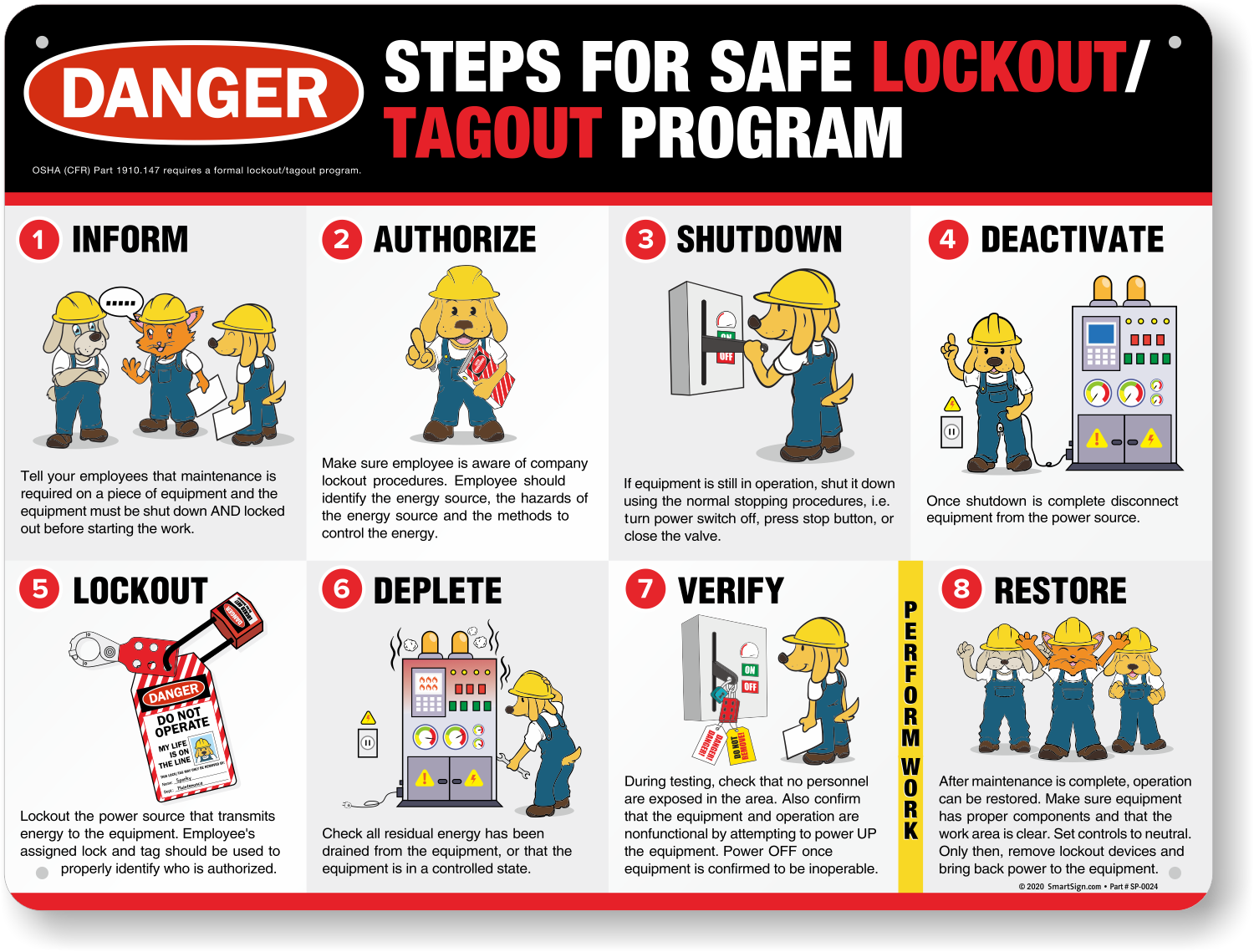
#### 2. Review Specific Equipment Avoid generalizations. Name the machine: “We’re locking out the #3 packaging line today.” Then walk through: - Energy sources (electrical, mechanical, chemical) - Lock points and group lockout boxes - Verification steps (trying to start the machine, checking gauges)
#### 3. Assign Clear Roles Clarify who is the authorized employee (performs lockout) and who is an affected employee (operates but doesn't service equipment).
Misunderstandings here are common. A safety talk can correct them: > “Just because you operate the saw doesn’t mean you can remove a lock. Only the person who applied it can take it off—except in emergencies with proper procedure.”
#### 4. Address Common Mistakes Call out behaviors seen on the floor: - Using someone else’s lock - “Borrowing” a key to remove a lock - Skipping verification because “it’s been done before”
These aren’t minor issues. They’re systemic red flags.
#### 5. Encourage Questions and Input End by asking: > “What’s one thing that could go wrong during today’s maintenance?” > “Has anyone seen a lockout step missed recently?”
Workers on the floor see more than supervisors. Their insights make the process better.
When to Hold a LOTO Safety Talk
Timing matters. Don’t limit talks to monthly meetings. Integrate them into the workflow:
| Situation | Why It Needs a LOTO Talk |
|---|---|
| New equipment startup | Workers may not know isolation points |
| Contractor work | Outside personnel may not follow site-specific LOTO |
| Shift changes during maintenance | Ensures continuity of lock responsibility |
| After a near-miss | Reinforces what went wrong and how to fix it |
| Job rotation or new hires | Prevents assumptions about procedures |
One plant reduced LOTO violations by 68% in six months simply by adding a 7-minute safety talk before every maintenance task. The message was clear: “No talk, no work.”
Common LOTO Safety Talk Pitfalls (And How to Fix Them)
Even well-intentioned talks fail when they become routine or one-sided.
Pitfall 1: “Copy-paste” delivery Using the same script every time breeds disengagement. ✅ Fix: Customize each talk to the day’s tasks. Reference actual machines, crews, and conditions.
Pitfall 2: No follow-up A talk ends, but no one checks if the steps were followed. ✅ Fix: Assign a supervisor or peer to observe the first lockout of the shift and provide feedback.
Pitfall 3: Ignoring contractor gaps Contractors often bypass LOTO because they’re not trained on your system. ✅ Fix: Require a joint safety talk with your team and the contractor before work starts. Verify their LOTO knowledge.
Pitfall 4: Talking at, not with, workers Monologues don’t build ownership. ✅ Fix: Use open-ended questions. Let workers lead part of the discussion.
One refinery improved compliance by training lead technicians to deliver safety talks—peers speaking to peers. Engagement jumped because the message wasn’t top-down; it was front-line to front-line.
Integrating LOTO Talks into Daily Operations
Sustainability is key. A one-off talk won’t change behavior. Build LOTO discussions into your safety rhythm.
Daily Pre-Shift Huddles Add a 5-minute LOTO segment. Example: > “Today’s task: replacing the pump seal. Energy sources? Electrical and residual fluid pressure. Lock points? Main disconnect and discharge valve. Verification? Pressure gauge at zero and try-start test. Who’s applying the lock? Carlos. Got it? Any concerns?”

Maintenance Planning Meetings Discuss LOTO during job planning—not as an afterthought. Include: - Required locks and tags - Group lockout box use - Communication plan during extended outages
Post-Incident Reviews After any energy-related near-miss, hold an immediate safety talk. Analyze: - What step was missed? - Was there confusion about roles? - How can we prevent recurrence?
One manufacturer uses “LOTO Moments” — short videos of workers explaining their lockout process. These are played during onboarding and safety meetings. Real people, real context.
What a Strong LOTO Safety Talk Sounds Like
Here’s an example from a real facility:
“Team, we’ve got to clear a jam in the extruder this shift. Before we start, let’s run through LOTO. - Authorized person: Jamie. - Affected: rest of the crew. - Energy sources: main motor (electrical), hydraulic system, and hot barrel (thermal). - Lock points: disconnect switch, hydraulic valve, and thermal lockout.
- Verification: Jamie will attempt a start-up after locking—all clear only when zero energy is confirmed. > Jamie, once you’re locked out, who else has access to that lock? [Jamie responds: “No one. Only I can remove it unless it’s an emergency with supervisor approval.”] > Good. And if you leave before the job’s done? [Jamie: “I keep the lock on. Work stops until I’m back or it’s handed off via group lockout.”] > Exactly. Anyone see a risk I’m missing? [Worker: “What about the backup hydraulic reservoir? Could that pressurize the line?”] > Excellent catch. Let’s add that to the checklist. Everyone clear? Lock it, tag it, verify it—no exceptions.”
This isn’t compliance theater. It’s safety in action.
Closing: Make LOTO Safety Talks a Non-Negotiable
Lockout tagout isn’t just a procedure—it’s a promise. A promise that no one will be hurt because a machine turned on unexpectedly.
A safety talk keeps that promise alive. It turns policies into practice, awareness into action.
Don’t wait for an incident to start. Conduct your next LOTO safety talk today. Keep it real, keep it specific, and keep it consistent. Because when it comes to energy control, a few minutes of conversation can mean a lifetime of difference.
Frequently Asked Questions
What’s the difference between a LOTO safety talk and formal training? Formal training certifies employees on LOTO procedures. Safety talks reinforce that training in real-time, addressing daily risks and behaviors.
Who should lead a lockout tagout safety talk? Supervisors, safety officers, or trained lead workers can lead. Peer-led talks often increase engagement.
How often should LOTO safety talks happen? At minimum, monthly. Best practice is before any maintenance task or shift involving energy isolation.
Can contractors participate in our LOTO safety talks? Yes—and they should. Contractors must understand your site-specific LOTO process before beginning work.
What if an employee refuses to attend a safety talk? Attendance should be mandatory. Refusal may indicate deeper safety culture issues that need addressing.
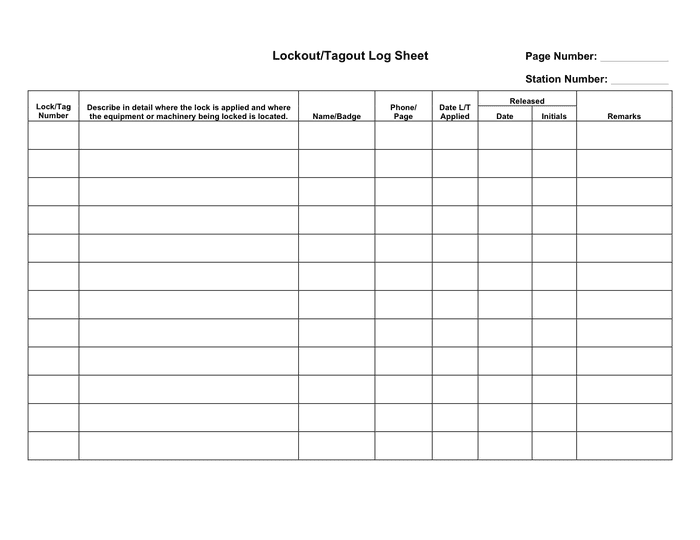
Should we document each safety talk? Yes. A simple log with date, topic, attendees, and key points ensures accountability and aids audits.
Can LOTO safety talks reduce OSHA violations? Absolutely. Regular discussions demonstrate good faith efforts to comply, which can reduce penalties during inspections.
FAQ
What should you look for in Lockout Tagout Safety Talk: Why It Saves Lives on the Job? Focus on relevance, practical value, and how well the solution matches real user intent.
Is Lockout Tagout Safety Talk: Why
It Saves Lives on the Job suitable for beginners? That depends on the workflow, but a clear step-by-step approach usually makes it easier to start.
How do you compare options around Lockout Tagout Safety Talk: Why It Saves Lives on the Job? Compare features, trust signals, limitations, pricing, and ease of implementation.
What mistakes should you avoid? Avoid generic choices, weak validation, and decisions based only on marketing claims.
What is the next best step? Shortlist the most relevant options, validate them quickly, and refine from real-world results.