Workers get hurt every year not because procedures don’t exist—but because they’re ignored, misunderstood, or skipped during rushed operations. One of the most preventable causes? Failure to properly control hazardous energy. That’s where a lockout tagout safety meeting becomes more than a compliance checkbox—it becomes a frontline defense.
A lockout tagout (LOTO) safety meeting isn’t a formality. It’s a targeted discussion that reinforces protocols, identifies risks, and ensures every team member knows how to isolate energy sources safely. Done right, these meetings reduce incidents, clarify roles, and strengthen safety culture. Done poorly—or not at all—workplaces face severe risks: amputations, electrocutions, and OSHA citations.
This guide breaks down how to structure meaningful LOTO safety meetings, integrate them into routine operations, and avoid common pitfalls that undermine their effectiveness.
Why Lockout Tagout Safety Meetings Matter
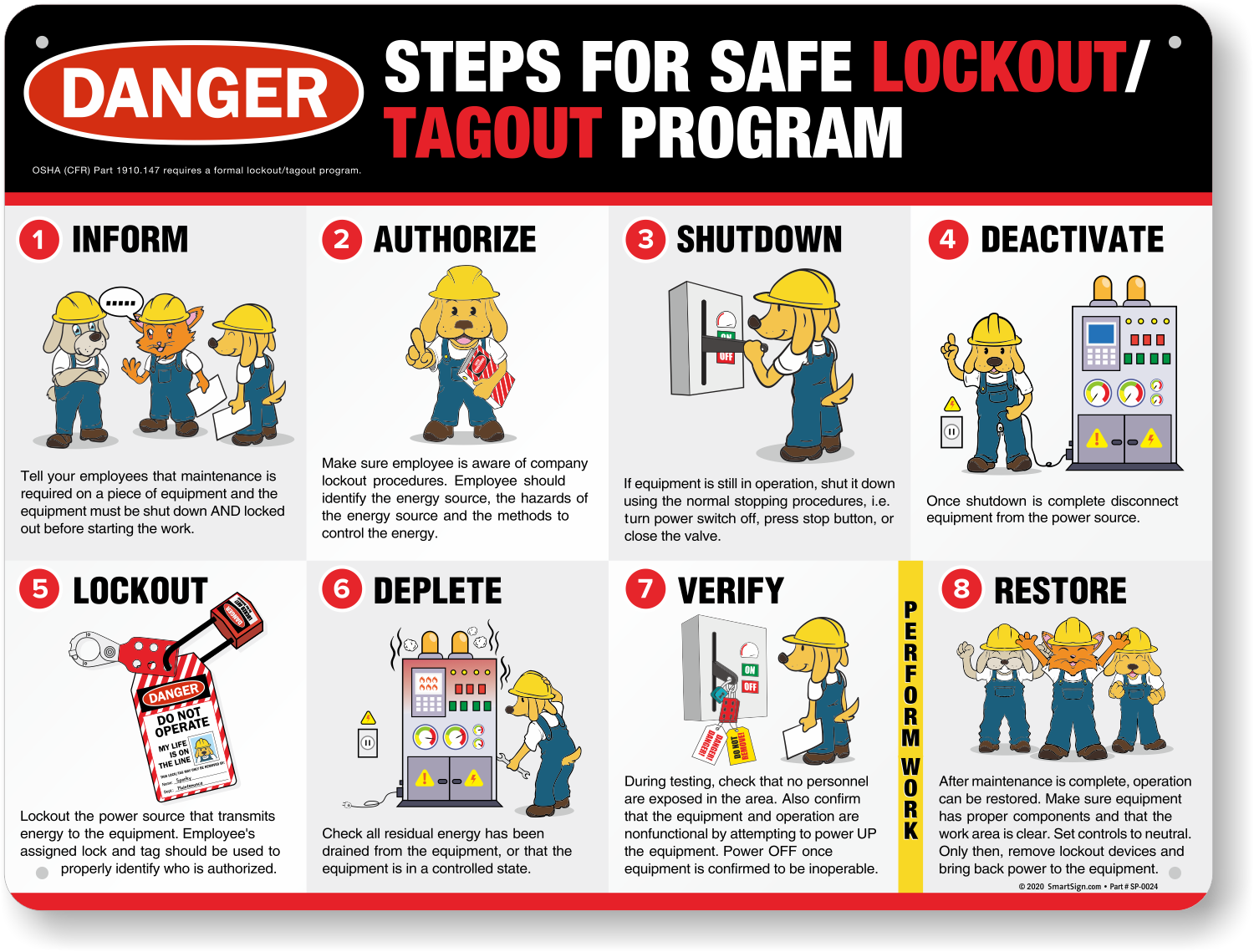
The core principle of LOTO is simple: shut down equipment, isolate energy sources, lock them out, tag them, and verify zero energy. But real-world environments are rarely simple.
Equipment today is more complex—hydraulic, pneumatic, electrical, and even gravitational energy sources must all be considered. Workers rotate roles, machines get updated, and shortcuts creep in when production pressure builds. That’s why one-time training isn’t enough.
A regular LOTO safety meeting keeps the protocol alive in daily operations. It’s not just about reviewing steps—it’s about context. What changed this week? Did a new technician misunderstand isolation points? Was a bypass observed during maintenance?
These meetings serve three critical purposes: - Reinforce procedures before high-risk tasks - Address recent incidents or near-misses - Clarify responsibilities between authorized and affected employees
Without this ongoing dialogue, even the best-written energy control program becomes outdated the moment it’s printed.
Key Topics to Cover in Every LOTO Safety Meeting
A productive meeting isn’t a lecture—it’s a focused exchange. Use these core topics to guide discussions and keep them relevant.
1. Review of Specific Equipment Procedures Not all machines lock out the same way. A conveyor system may require multiple isolation points, while a press brake has stored hydraulic energy. Review the written LOTO procedure for one or two high-risk machines during each meeting.
Example: In a packaging facility, a recent near-miss occurred when a worker assumed a single disconnect switch isolated all energy on a filler machine. The meeting highlighted that pneumatic lines remained pressurized, requiring valve bleed-down and verification.
2. Verification of Lockout Effectiveness
Many workers skip the “verify” step—assuming that locking the disconnect means the machine is safe. Emphasize the need to test: try to start the machine (with controls), check pressure gauges, or use a voltage tester.
Tip: Bring a multimeter or non-contact voltage detector to the meeting and demonstrate proper verification on a de-energized unit.
3. Tag Usage and Communication Tags are warnings, not physical restraints. Reinforce that tags must include: - Name of the authorized employee - Date and time applied - Reason for lockout
A tag without identification is meaningless. Discuss what happens when a worker sees a tag they don’t recognize—standard protocol is do not remove, notify supervisor.
4. Group Lockout Scenarios In team maintenance work, group lockout procedures often confuse teams. Clarify the role of the “primary authorized employee” who coordinates lock application and removal.

Use a real example: During a weekly LOTO meeting at a chemical plant, a mechanic described how five technicians worked on a reactor. Each applied their personal lock to a group hasp. The meeting reviewed how miscommunication nearly led to early removal—until the primary verifier confirmed all were clear.
5. Shift Transitions and Lockout Handoffs
When maintenance spans shifts,交接 (handoffs) become high-risk moments. OSHA requires clear procedures for transferring control.
Discuss: - How locks are communicated across shifts - Whether outgoing workers must remove their own locks (they should, unless incapacitated) - Documentation in logbooks or digital systems
Common Mistakes That Undermine LOTO Meetings
Even experienced teams make errors that compromise safety. Spotlighting these in meetings builds vigilance.
Mistake 1: Assuming “I’ve Done
This Before” Applies Familiarity breeds complacency. A worker servicing a motor weekly might skip testing because “it’s always safe.” But a recent control circuit modification could mean residual voltage exists.
Meeting solution: Share anonymous near-miss reports to illustrate how assumptions fail.
Mistake 2: Sharing Locks or Using Master Keys Personal locks are non-transferable. Yet some teams use “department locks” or master override keys for convenience.
Consequence: If a worker is injured during unauthorized re-energization, the company faces steep penalties—and criminal liability in extreme cases.
Meeting tip: Display real OSHA citations where shared locks contributed to incidents.
Mistake 3: Incomplete Energy Source Identification A machine might have visible electrical disconnects but hidden energy in springs, capacitors, or elevated components.
Real case: A maintenance tech clearing a jam in a conveyor was struck by a falling counterweight. The LOTO procedure failed to address stored gravitational energy.
Action step: Audit one machine per month for overlooked energy sources during meetings.
How to Conduct an Effective LOTO Safety Meeting
Structure determines impact. Follow this framework for consistent, actionable sessions.
1. Keep It Brief, But Focused (10–15 Minutes) Long meetings lose attention. Focus on one or two hazards, not the entire program.
2. Use Visual Aids Bring actual locks, tags, and hasps. Project photos of equipment isolation points. Use diagrams of energy flow.
3. Encourage Participation Ask questions:
- “What would you do if you saw a lock with no tag?”
- “How do you verify zero energy on the CNC mill?”
Listen more than you talk.
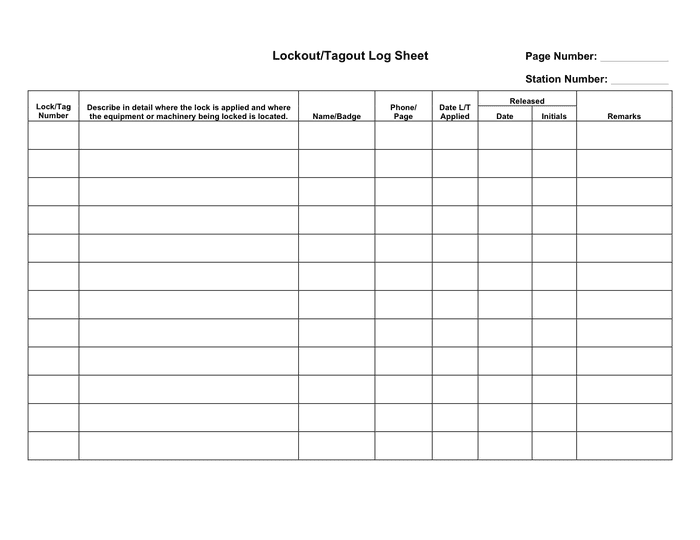
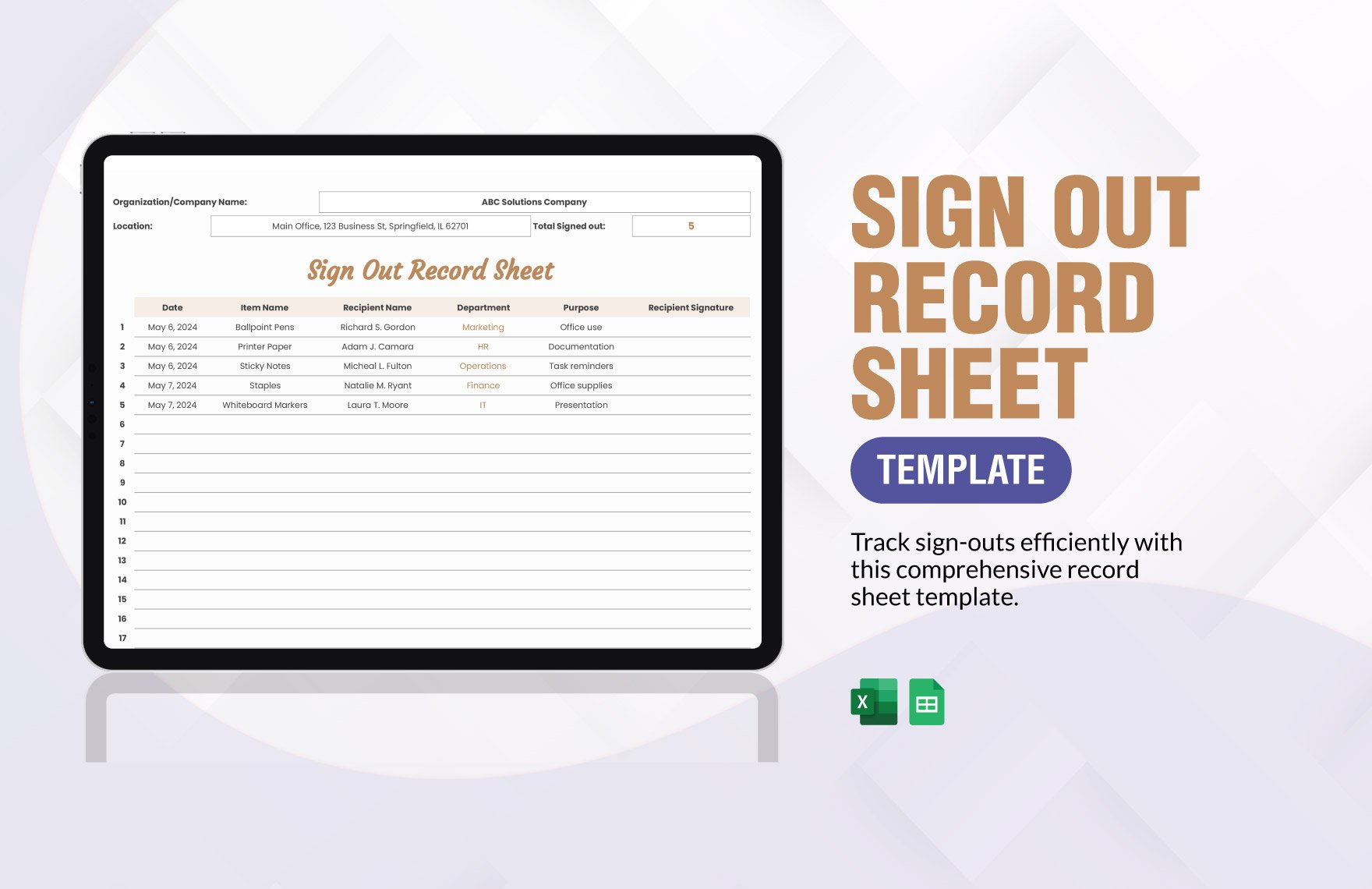
4. Document Attendance and Topics OSHA 1910.147 requires annual certification of employee training. Track who attended, what was covered, and who led the session. A simple sign-in sheet with topic and date meets this need.
5. Rotate Meeting Leaders Empower experienced technicians to lead discussions. Peer-led sessions often carry more weight than top-down directives.
Integrating LOTO Meetings into Your Safety Program
One-off meetings have limited impact. Embed LOTO into your broader safety rhythm.
- Schedule monthly LOTO meetings—not just during safety weeks
- Tie meetings to maintenance schedules—discuss procedures before major shutdowns
- Include temporary workers and contractors—they’re often at highest risk
- Review after incidents—treat every near-miss as a meeting agenda item
A manufacturing plant reduced LOTO violations by 70% in six months simply by scheduling 12 focused meetings—one per month—each reviewing one machine’s procedure and verification steps.
Real-World Use Cases for LOTO Safety Meetings
Case 1: Preventing Recurring Jams in a Packaging Line A snack food producer faced frequent jams in a bag sealer. Workers were bypassing lockout to “quick clear” the line. After three near-misses, the safety team held a LOTO meeting showing video of the machine’s pinch points. Technicians then redesigned the access panel to allow clearing without full disassembly—reducing the temptation to bypass.
Case 2: Onboarding New Maintenance Staff A refinery onboarded five junior mechanics. Instead of relying on old training videos, the supervisor ran weekly LOTO meetings for 30 days, each focusing on a different system: turbines, pumps, valves. Workers practiced applying locks under supervision and discussed real scenarios. Six months later, audits showed 100% compliance among the new hires.
Case 3: Responding to a Contractor Incident An electrical contractor was injured when a conveyor restarted during panel work. Investigation found no formal handoff between shifts. The response? Monthly LOTO meetings now include contractor coordinators and emphasize shift transition logs.
Tools and Supplies to Support LOTO Meetings
Having the right materials on hand makes meetings more practical and memorable.
| Tool | Purpose | Best Practice |
|---|---|---|
| Lockout Hasps | Allow multiple locks on one isolation point | Use color-coded hasps by department |
| Lockout Stations | Centralized storage for locks, tags, and devices | Place near high-risk equipment |
| Demonstration Kits | Training tools with sample locks and tags | Use during meetings to show proper application |
| Tag Templates | Pre-printed tags with required fields | Ensure consistency and legibility |
| Energy Source Diagrams | Visual maps of isolation points | Post near machines and review in meetings |
Avoid generic kits. Customize tags with facility-specific language and include QR codes linking to digital LOTO procedures.
Closing: Make LOTO Meetings a Habit, Not a Chore
A lockout tagout safety meeting should never feel like a compliance burden. When done right, it’s a moment of shared responsibility—where knowledge is passed, risks are named, and safety is reaffirmed.
The most effective programs don’t schedule meetings because OSHA says so. They do it because they’ve seen what happens when they don’t.
Start small. Pick one machine. Gather the team. Ask, “Are we certain this is de-energized?” Then verify it together.
Repeat monthly. Stay consistent. Make it real.
Because when the unexpected happens, it won’t be the procedure that saves a life—it’ll be the conversation that reinforced it.
FAQ
What should be included in a lockout tagout safety meeting? Cover equipment-specific procedures, verification methods, tag usage, group lockout rules, and recent incidents or changes.
How often should LOTO safety meetings be held? At minimum, conduct them annually for compliance. Best practice is monthly or quarterly, especially before major maintenance.
Who should attend a LOTO safety meeting? Authorized employees (who perform lockout) and affected employees (who operate or use equipment) must both attend.
Do contractors need to participate in LOTO meetings? Yes. Contractors must be trained on site-specific LOTO procedures and included in relevant safety meetings before starting work.
Can a LOTO meeting be conducted digitally? Yes, via video conference or learning platforms, but hands-on demonstrations are more effective when possible.
What’s the difference between a LOTO safety meeting and annual training? Annual training certifies employee knowledge, while safety meetings reinforce practices, address updates, and discuss real-time issues.
How do you document a LOTO safety meeting? Record the date, topic, attendees, and facilitator. Keep sign-in sheets as part of your OSHA compliance file.
FAQ
What should you look for in Lockout Tagout Safety Meeting Essentials for Compliance? Focus on relevance, practical value, and how well the solution matches real user intent.
Is Lockout Tagout Safety Meeting Essentials for Compliance suitable for beginners? That depends on the workflow, but a clear step-by-step approach usually makes it easier to start.
How do you compare options around Lockout Tagout Safety Meeting Essentials for Compliance? Compare features, trust signals, limitations, pricing, and ease of implementation.
What mistakes should you avoid? Avoid generic choices, weak validation, and decisions based only on marketing claims.
What is the next best step? Shortlist the most relevant options, validate them quickly, and refine from real-world results.