Workers servicing machinery often face invisible threats—electrical surges, hydraulic releases, or sudden restarts. One moment of neglect can lead to injury, amputation, or worse. The solution isn’t new technology or advanced robotics; it’s a disciplined process known as the lockout tagout system. This isn’t just protocol—it’s a life-saving standard embedded in safety culture across manufacturing, utilities, and maintenance sectors.
At its core, a lockout tagout system is a structured safety procedure used to disable machinery or equipment during servicing, ensuring hazardous energy cannot be accidentally released. While the concept seems straightforward, its implementation demands precision, training, and consistency.
Let’s break down what lockout tagout truly means, how it operates, and why skipping steps puts lives at risk.
The Core Purpose of Lockout Tagout
The primary goal of a lockout tagout system is to protect workers from unexpected energization or startup of machinery during maintenance or repair. According to OSHA, nearly 10% of serious accidents in industrial settings are linked to uncontrolled hazardous energy. These incidents often occur when equipment is being adjusted, cleaned, or repaired.
Think of a conveyor belt system in a food processing plant. A technician needs to clear a jam inside the mechanism. If someone else powers it on remotely—or if residual energy triggers movement—the consequences can be catastrophic. A proper LOTO procedure ensures the conveyor is both physically locked in the off position and clearly tagged to warn others not to interfere.
This system applies to all forms of hazardous energy: - Electrical - Mechanical - Hydraulic - Pneumatic - Chemical - Thermal
Without LOTO, even de-energized equipment can store energy in springs, capacitors, or elevated parts—making it lethally unpredictable.
How Lockout Tagout Actually Works
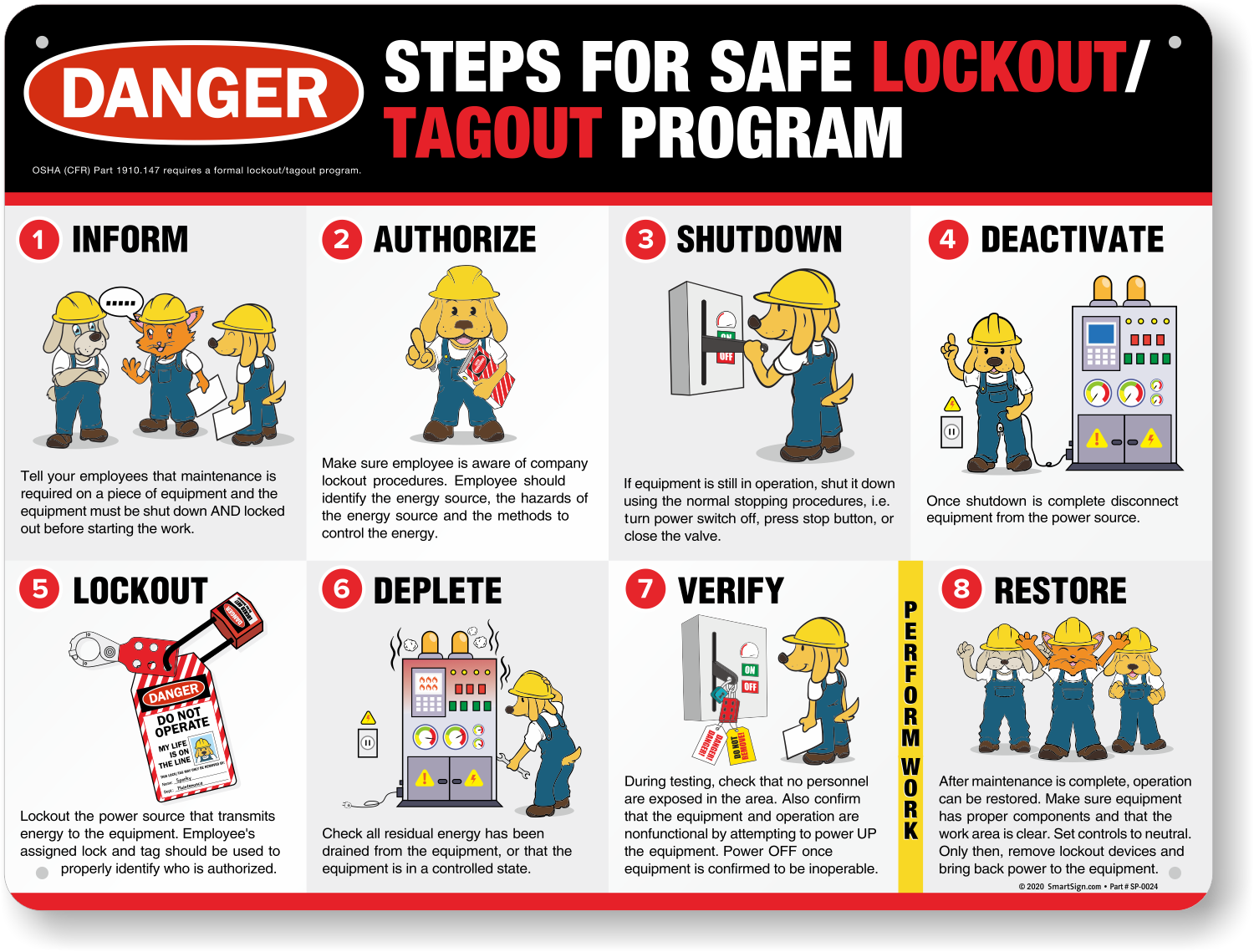
A lockout tagout system follows a step-by-step process designed to eliminate risks systematically. It’s not enough to flip a switch and assume the machine is safe. Real-world conditions demand a repeatable, verifiable routine.
Here’s the standard workflow:
- Preparation
- The authorized employee identifies the type and magnitude of energy involved and the methods required to control it. This includes reviewing equipment schematics and energy isolation points.
- Notification
- All affected personnel are informed that maintenance is about to begin. Communication prevents others from unknowingly interfering with the process.
- Shutdown
- Equipment is shut down using normal stopping procedures. Buttons, switches, or control panels are used—never emergency stops, which aren't designed for routine shutdowns.
- Isolation
- All energy-isolating devices (like circuit breakers, disconnect switches, or valve closures) are physically operated to cut off energy supply.
- Application of Locks and Tags
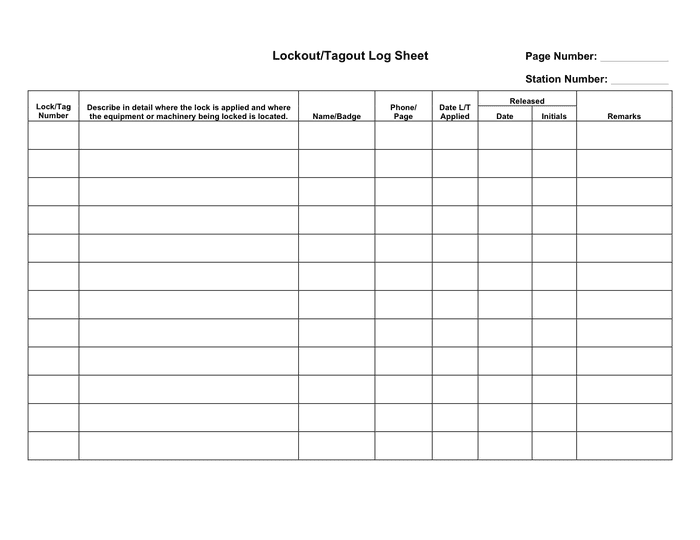
- Each isolating device is secured with a lock assigned to the individual worker. A tag is attached, stating the worker’s name, department, date, and reason for the lockout.
- Release of Stored Energy
- Residual energy must be safely dissipated. This could mean grounding circuits, bleeding pressurized lines, or blocking moving parts.
- Verification of Isolation
- The worker attempts to restart the machine (using normal startup methods) to confirm zero energy. If it starts—even slightly—the procedure fails and must be repeated.
Only after all steps are confirmed can maintenance begin.
Key Components of a LOTO System
A functional lockout tagout system relies on specific tools and documentation, not just procedures.
Lockout Devices These physically prevent energy-isolating devices from being activated. Examples include: - Padlocks (individualized to each worker) - Circuit breaker locks - Valve lockouts - Plug lockouts - Group lockout hasps for multi-person jobs

Tagout Devices Tags are warning labels attached to locks or isolation points. While they don’t provide physical security, they communicate critical information: who locked the device, when, and why.
Tags should be: - Durable and non-reusable - Legible and standardized - Paired with locks whenever possible
Energy Control Plan (ECP) Every facility should have a documented, equipment-specific ECP. This includes: - Machine identification - Energy sources - Isolation points - Required lockout devices - Step-by-step procedures
Without a clear ECP, even trained workers can make critical errors.
Common Mistakes That Undermine LOTO Safety
Even experienced teams fall into traps that compromise the integrity of a lockout tagout system.
Using Tags Without Locks Tagout alone is insufficient in most industrial applications. Tags can be removed; locks prevent activation. Relying solely on tags violates OSHA’s preference for lockout where feasible.
Shared or Master Locks Using a single lock for multiple workers defeats accountability. Each authorized person must apply their own lock. Group lockout boxes solve this by allowing multiple personal locks to secure a single energy point.
Skipping Stored Energy Checks A machine may appear off, but springs under tension or capacitors retaining charge can still cause injury. Releasing stored energy isn't optional—it's essential.
Inadequate Training Affected employees (those who operate but don’t service equipment) need basic awareness. Authorized employees (those who perform maintenance) require full training on isolation and verification.
Failure to Audit Procedures LOTO procedures should be inspected annually. Outdated plans or unverified steps create false confidence.
One real-world example: At a Midwest packaging facility, a technician cleared a jam in a labeling machine without verifying zero energy. A co-worker remotely reset the line, assuming it was safe. The machine restarted, resulting in a crushed hand. Investigation revealed the lockout procedure was followed—but the stored pneumatic energy hadn’t been bled. A single missed step led to a preventable injury.
When and Where LOTO Is Required
OSHA regulation 29 CFR 1910.147 outlines when lockout tagout must be used. The rule applies whenever: - Employees service or maintain machines - There’s potential for unexpected energization - Employees must remove or bypass safety guards - Workers place any body part into a danger zone during operation
Common scenarios include: - Cleaning or clearing jams - Replacing blades, belts, or motors - Performing alignment or calibration - Conducting inspections that require access inside machinery
Routine tasks like lubrication, inspection, or minor adjustments may be exempt if they meet specific criteria (e.g., performed during normal operation and using alternative protections). But these exceptions are narrow and must be carefully evaluated.
Industries That Depend on LOTO
While manufacturing is the most obvious user of LOTO systems, the practice spans numerous sectors:
- Automotive Assembly Plants – Robots and presses require regular maintenance under strict lockout.
- Food and Beverage Processing – Conveyor systems, mixers, and slicers pose entanglement risks.
- Chemical and Petrochemical Facilities – High-pressure systems and reactive materials demand rigorous isolation.
- Power Generation – Turbines, boilers, and electrical panels involve multiple energy sources.
- Healthcare – Medical equipment like MRI machines and sterilizers require LOTO during service.
- Warehousing and Distribution – Automated sorting systems and palletizers need lockout during repairs.
In each case, the stakes are high. A failure in procedure isn’t just a compliance issue—it can trigger chain-reaction accidents affecting multiple workers.
Building an Effective LOTO Program
A successful lockout tagout system isn't just about buying locks and printing tags. It requires a structured program with ongoing oversight.
Assign Roles Clearly - Authorized Employees – Trained to implement LOTO. - Affected Employees – Trained to recognize and respect LOTO. - Supervisors – Responsible for enforcement and audits.

Document Every Procedure Create machine-specific LOTO instructions. Include diagrams showing isolation points and required devices.
Provide the Right Equipment Use durable, standardized lockout tools. Consider: - Lockout stations (centralized kits) - Hasps for group lockout - Lockout lockers or boards for accountability - Tag materials resistant to weather, oil, or chemicals
Train and Retrain Initial training isn’t enough. Refresher courses every 12 months ensure knowledge stays sharp. Include hands-on drills to simulate real situations.
Audit and Improve Annual inspections verify that procedures are followed correctly. Use findings to update plans and retrain staff.
One plant reduced LOTO-related near-misses by 72% over two years by implementing monthly spot checks and anonymous reporting. Workers felt empowered to speak up—creating a culture where safety became personal, not just procedural.
Why Compliance Isn’t Enough
Meeting OSHA standards is a baseline, not a finish line. True safety comes from consistency, vigilance, and cultural commitment.
Too often, LOTO is treated as a paperwork exercise—a box to check during audits. But when shortcuts creep in—“I’ll just take 30 seconds to clear this jam”—the entire system unravels.
The most effective organizations treat LOTO as part of their operational DNA. They reward compliance, investigate close calls, and empower every employee to stop work if safety is compromised.
In one steel mill, a junior technician refused to begin maintenance because a lock wasn’t properly applied. Production was delayed, but leadership praised the decision publicly. That moment became a turning point in safety culture—proving that the system only works when people have the authority to uphold it.
Final Thoughts: Safety Is a Process, Not a Device
Understanding what a lockout tagout system is goes beyond memorizing steps or owning the right tools. It’s about recognizing that machinery doesn’t distinguish between a trained technician and a distracted worker. Energy doesn’t wait for permission to release.
A lockout tagout system is the structured defense against chaos. It turns risk into routine, and assumption into verification. Whether you’re managing a plant floor or tightening a bolt on a conveyor, the responsibility is the same: follow the procedure, every time, without exception.
Start by auditing your current LOTO practices. Are they documented? Are they followed? Are they respected? If not, now is the time to act—before an incident forces the issue.
FAQ
What is the main purpose of a lockout tagout system? The main purpose is to protect workers from unexpected energization or startup of machinery during service or maintenance by isolating and securing energy sources.
Can tagout be used without lockout? Tagout alone is permitted only when a lock cannot be used, and additional safety measures must be in place. OSHA strongly prefers lockout for positive control.
Who is responsible for applying lockout devices? Authorized employees—those trained and responsible for implementing energy control procedures—must apply their own locks and tags.
How often should LOTO procedures be reviewed? LOTO procedures must be inspected at least annually to ensure they are accurate and being followed correctly.
What happens if a worker is injured during a LOTO failure? OSHA may issue citations, especially if procedures were not followed or training was inadequate. Employers can face fines, legal liability, and operational shutdowns.
Are there exemptions to lockout tagout requirements? Yes, minor tool changes, lubrication, or adjustments during normal production may be exempt if they’re routine, repetitive, and performed using alternative protective measures.
What’s the difference between affected and authorized employees? Affected employees operate equipment but don’t perform maintenance. Authorized employees are trained to service equipment and implement LOTO.
FAQ
What should you look for in What Is Lockout Tagout System: A Complete Guide? Focus on relevance, practical value, and how well the solution matches real user intent.
Is What Is Lockout Tagout System: A Complete Guide suitable for beginners? That depends on the workflow, but a clear step-by-step approach usually makes it easier to start.
How do you compare options around What Is Lockout Tagout System: A Complete Guide? Compare features, trust signals, limitations, pricing, and ease of implementation.
What mistakes should you avoid? Avoid generic choices, weak validation, and decisions based only on marketing claims.
What is the next best step? Shortlist the most relevant options, validate them quickly, and refine from real-world results.