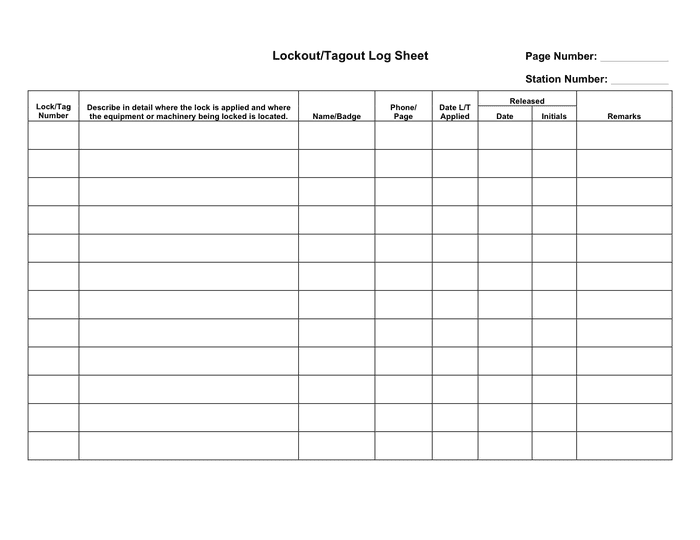
Equipment failure isn’t the biggest danger during maintenance—unexpected startup is. Every year, hundreds of workers suffer serious injuries because machines re-energize while being serviced. The solution? A proven lockout tagout (LOTO) procedure. But creating one from scratch takes time, expertise, and precision. That’s why professionals turn to a free lockout tagout procedures template to meet OSHA standards without reinventing the wheel.
A solid LOTO template isn’t just a formality—it’s a step-by-step defense against electrocution, crushing, and amputation. It standardizes how teams isolate hazardous energy sources, verify zero energy, and control access during servicing. This article delivers a practical, customizable LOTO procedures template free for immediate use—plus real-world insights on implementing it correctly.
What Is a Lockout Tagout Procedures Template?
A lockout tagout procedures template is a standardized document guiding how to safely shut down, isolate, lock, and tag machinery before maintenance. It’s not a one-size-fits-all form—it must be tailored to specific equipment and energy sources (electrical, hydraulic, pneumatic, mechanical, chemical, etc.).
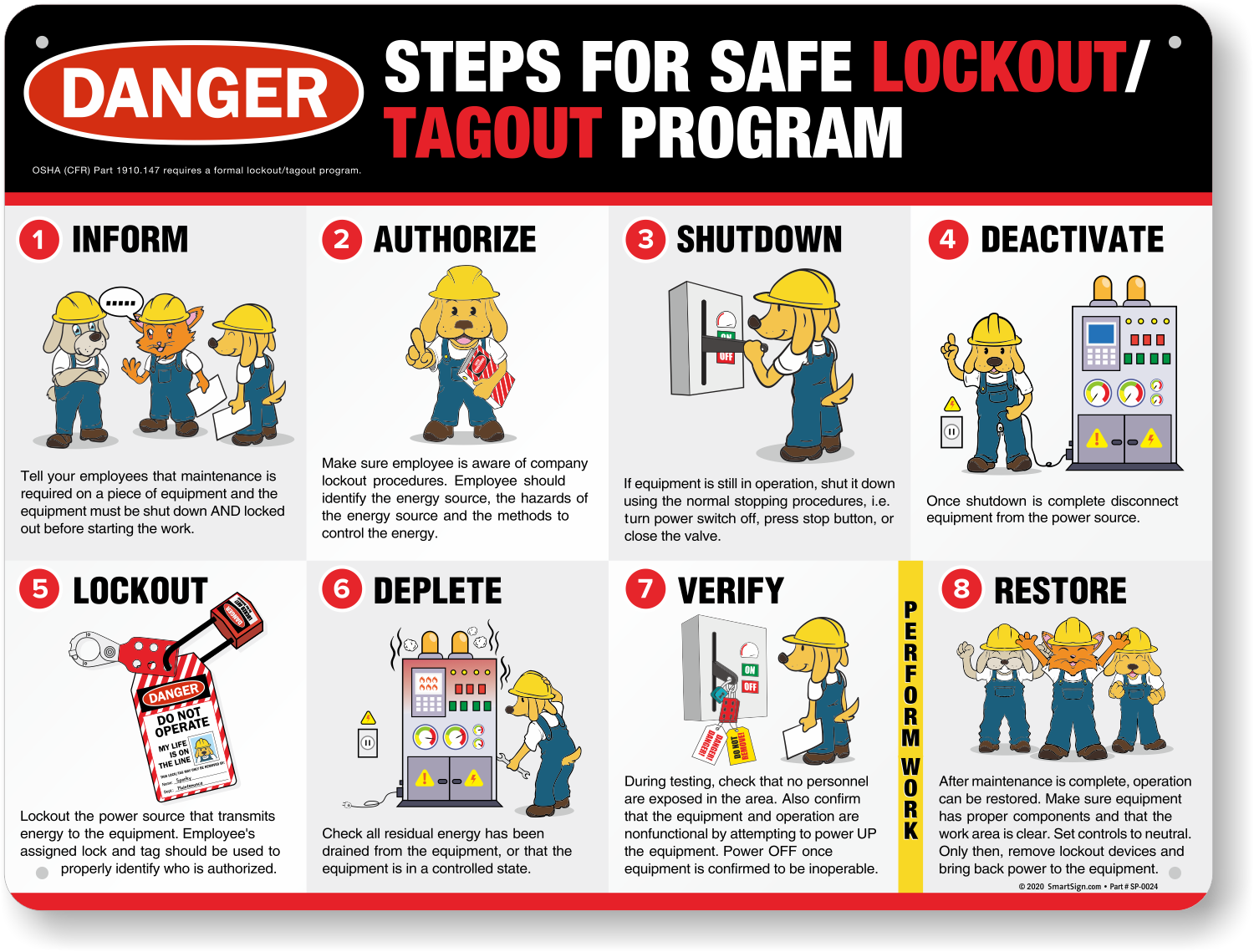
The template ensures every worker follows the same sequence: notification, shutdown, isolation, lock application, tag placement, energy dissipation, and verification. When done right, it eliminates guesswork and prevents tragic oversights.
Most free templates cover: - Machine identification - Energy source types - Lock application points - Authorized employee roles - Verification steps - Unlocking protocol
A quality template doesn’t just list steps—it prompts thought. For example: “Has stored energy in springs or capacitors been safely released?” That kind of specificity prevents accidents.
Why You Need a Customized LOTO Template (Not Just Any Free Download)
Many sites offer “free” LOTO templates, but most are generic. A boilerplate form won’t account for your CNC machine’s hydraulic lines or your conveyor’s tension springs. Using a one-size-fits-all template risks non-compliance and employee harm.
OSHA standard 29 CFR 1910.147 requires that procedures be machine-specific. That means every piece of equipment with hazardous energy needs its own documented process. A real LOTO template acts as a framework—not a final product. You adapt it per machine, per department.
For example: - A packaging line may have electrical and pneumatic hazards. - A boiler system involves thermal and pressure risks. - A chemical pump requires isolation of fluid lines and residual vapor.
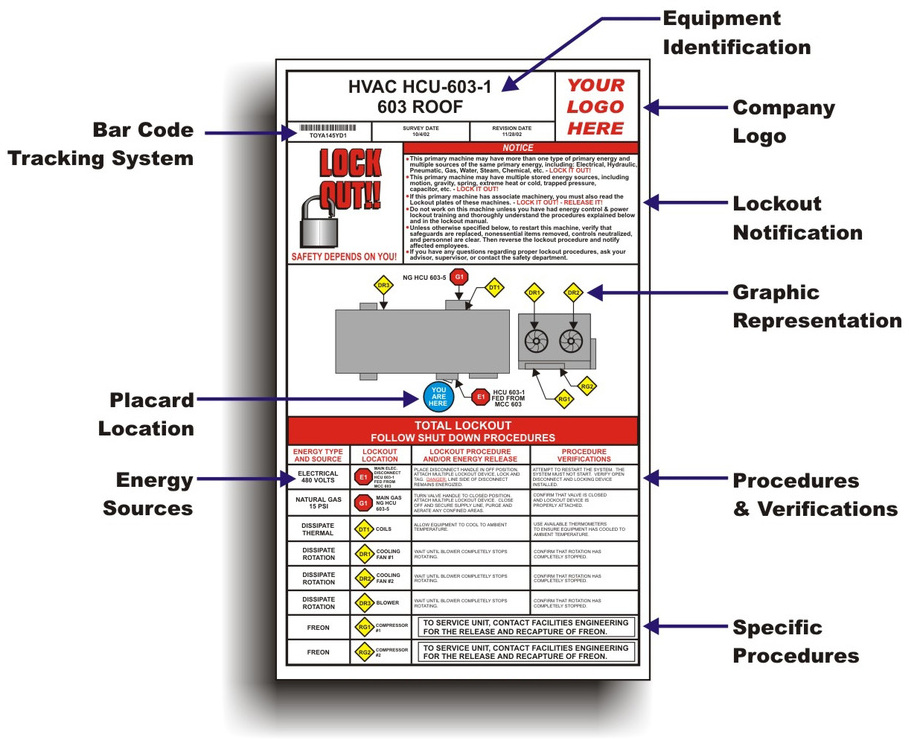
A good free template includes fill-in-the-blank fields and checkboxes for energy types, making customization fast and consistent. It also includes space for diagrams—critical for identifying lock points.
Key Components of an Effective LOTO Procedures Template
Your template must translate OSHA requirements into actionable steps. Here are the non-negotiable elements:
#### 1. Equipment Identification - Machine name, location, and ID number - Department or area responsible - Primary energy sources (e.g., 480V electrical, 120 psi air)
#### 2. Authorized Personnel List - Names and roles of employees trained to perform LOTO - Names of those who can approve re-energization

#### 3. Step-by-Step Shutdown Sequence Example: > 1. Notify all affected employees. > 2. Shut down the conveyor using the emergency stop. > 3. Close the hydraulic isolation valve. > 4. Flip the main disconnect switch to OFF.
#### 4. Lock and Tag Application - Exact location of lock points (e.g., “Main circuit breaker—Panel A3”) - Type of lock (hasp, valve lock, breaker lockout) - Tag content: “Do Not Operate – Maintenance in Progress – John Doe, 09:15”
#### 5. Stored Energy Release - Bleed lines, block moving parts, drain capacitors - Verification method (e.g., test voltage with multimeter)
#### 6. Verification of Isolation - “Attempt to start” test (after confirming area is clear) - Document method and result
#### 7. Removal Procedure - Only the authorized employee removes their lock - Final inspection for tool removal and personnel clearance - Notification before re-energizing
Include a signature line for each step performed. This creates an audit trail.
Free Lockout Tagout Procedures Template Download (Ready to Use)
Below is a simplified but complete LOTO procedures template you can copy, customize, and deploy today.
LOCKOUT TAGOUT PROCEDURE Machine: [Insert Name] Location: [Insert Area] ID Number: [Insert] Hazards: [Electrical, Hydraulic, Mechanical, etc.]
- AUTHORIZED EMPLOYEES:
- [Name, Role]
- [Name, Role]
PROCEDURE:
1. Notification Inform all affected employees that maintenance will begin at [Time].
2. Shutdown - Press emergency stop button. - Turn off control switches. - Allow machine to come to complete rest.
3. Isolation - Disconnect main power at breaker [Label]. - Close hydraulic shutoff valve [Location]. - Engage mechanical lock on flywheel.
4. Lock Application Apply personal lock to: - [ ] Main disconnect - [ ] Hydraulic valve - [ ] Pneumatic supply line
Use lockout hasp if multiple workers involved.
5. Tag Placement Attach tag to each lock with: - Name - Date and time - Reason for lockout
6. Energy Dissipation - Open bleed valve to release air pressure. - Ground high-voltage components. - Manually verify belts are slack.
7. Verification - Clear the area. - Press start button to confirm no startup. - Test circuit with voltage meter. - Document result: [Pass/Fail]
8. Unlocking & Restart - Confirm all tools removed. - Verify area is clear. - Remove personal locks only. - Notify team before re-energizing.
Signature (Lockout): ___________________ Date: _________ Signature (Restart): ___________________ Date: _________
This template is free to use and modify. Save it as a Word or PDF document, then duplicate and tailor per machine.
5 Real-World Mistakes That Make LOTO Fail (Even
With a Template)
A template alone won’t prevent accidents. These common errors undermine even the best procedures:
#### 1. Skipping Stored Energy Checks A technician locked out a press but didn’t release tension in the springs. When adjusting the ram, the stored energy released—crushing his hand. Always verify mechanical, thermal, and pneumatic residuals.
#### 2. Group Lockout Without a Coordinator Three workers serviced a mixer. Only one applied a lock. The others assumed “someone did it.” Use a group lockout box: all locks stay until every worker removes theirs.
#### 3. Using Tags Without Locks A tag says “Do Not Start.” But without a physical lock, it’s just a suggestion. Tags are warnings; locks are barriers. Use both—but never tags alone for energy isolation.
#### 4. Incomplete Training New hires read the LOTO policy but never practiced it. During a breakdown, they bypassed steps. OSHA requires hands-on retraining every 12 months and after procedure changes.
#### 5. Template Not Updated After Equipment Changes After a motor upgrade, the lock point moved. The old template listed the wrong breaker. Always review and revise procedures after modifications.
Top 5 Free Sources for LOTO Templates and Tools
While the template above is ready to use, these platforms offer additional free resources to strengthen your program:
| Tool/Provider | Key Features | Limitations |
|---|---|---|
| OSHA.gov | Official LOTO standard, sample procedures | Generic; requires heavy customization |
| NIOSH LOTO Assistant App | Step-by-step guide, digital checklist | Mobile-only, no export |
| Creative Safety Supply | Free downloadable PDF/Word templates | Branding included, limited fields |
| SafetyNow | Customizable template generator | Free version lacks diagrams |
| LockoutTagout.com | Library of machine-specific examples | Registration required |
Pro tip: Download multiple templates to compare structure. Merge the best elements into your master version.
How to Implement Your Free LOTO Template in 4 Steps
Having a template is just the start. Here’s how to make it operational:
Step 1: Inventory Your Equipment List every machine with hazardous energy. Include pumps, motors, robotics, and even printers with high-voltage components.
Step 2: Customize the Template Per Machine Fill out one template per machine. Take photos. Mark lock points on diagrams. Involve maintenance staff—they know where hidden energy hides.
Step 3: Train and Drill Conduct live LOTO drills. Have workers perform full lockout on a machine. Observe for gaps. Retrain as needed.
Step 4: Audit Monthly Review 2–3 procedures each month. Check lock usage, tag clarity, and verification steps. Document findings and correct issues.
Storing templates digitally (e.g., on a shared drive or safety software) ensures updates are accessible. Print copies at machine stations for quick reference.
Final Thoughts: Safety Isn’t Free—But the Tools Can Be
A free lockout tagout procedures template isn’t a shortcut—it’s a foundation. The real value comes from customization, training, and discipline. OSHA doesn’t fine for missing templates; it fines for missing controls, inadequate training, and preventable incidents.
Use the template provided here as your starting point. Adapt it with precision. Enforce it with consistency. A few hours of setup today can prevent a lifetime of regret tomorrow.
Download it, print it, fill it out—for every machine, every time. Safety isn’t a document. It’s a practice. Start practicing now.
FAQ
What should you look for in Lockout Tagout Procedures Template Free for Workplace Safety? Focus on relevance, practical value, and how well the solution matches real user intent.
Is Lockout Tagout Procedures Template Free for Workplace Safety suitable for beginners? That depends on the workflow, but a clear step-by-step approach usually makes it easier to start.
How do you compare options around Lockout Tagout Procedures Template Free for Workplace Safety? Compare features, trust signals, limitations, pricing, and ease of implementation.
What mistakes should you avoid? Avoid generic choices, weak validation, and decisions based only on marketing claims.
What is the next best step? Shortlist the most relevant options, validate them quickly, and refine from real-world results.