Safety isn’t just a policy—it’s a procedure. When machinery needs maintenance, a single misstep can lead to life-altering injuries. That’s where lock out tag out locks come in. They’re not just accessories; they’re critical tools in controlling hazardous energy and protecting workers during servicing. In high-risk environments—from manufacturing floors to utility plants—LOTO (Lock Out Tag Out) locks are the final physical barrier between safety and disaster.
These devices ensure machines stay off and isolated from energy sources like electricity, hydraulics, or steam until maintenance is complete. But despite their simplicity, misuse or misunderstanding can render them ineffective. This article breaks down how LOTO locks work, the types available, and how to implement them correctly to meet OSHA standards and prevent real-world accidents.
How Lock Out Tag Out Locks Prevent Workplace Injuries
Every year, hundreds of workers are injured or killed during equipment maintenance due to unexpected startup or residual energy release. OSHA estimates that proper lockout/tagout procedures prevent about 120 fatalities and 50,000 injuries annually in the U.S. alone.
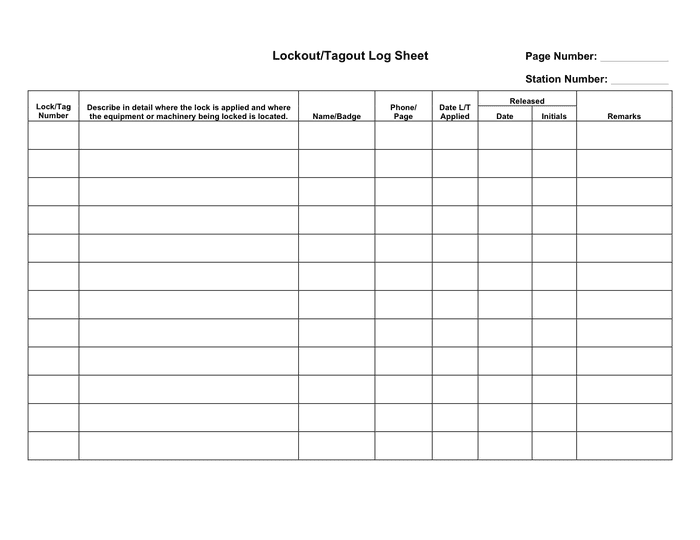
LOTO locks are central to these procedures. When a technician begins servicing a machine, they apply their personal lock to an energy-isolating device—like a circuit breaker, valve, or disconnect switch. This lock prevents anyone else from re-energizing the equipment. A tag is then attached, explaining why the lock is in place, who applied it, and when.
The personal nature of the lock is key. Each worker uses their own padlock, ensuring accountability. Even if a supervisor wants the machine running, they can’t remove another employee’s lock. This system stops shortcuts and enforces a disciplined shutdown process.
Real-World Example: At a Midwest food processing plant, a maintenance worker was clearing a jam in a conveyor system. A coworker, unaware of the maintenance, restarted the line. The movement pulled the technician into the machinery, resulting in severe injuries. Investigation found no lockout procedure had been followed. A single LOTO lock could have prevented this.
Types of Lock Out Tag Out Locks and Their Uses
Not all LOTO locks are the same. Choosing the right type depends on the energy source, environment, and equipment design. Here are the most common varieties:
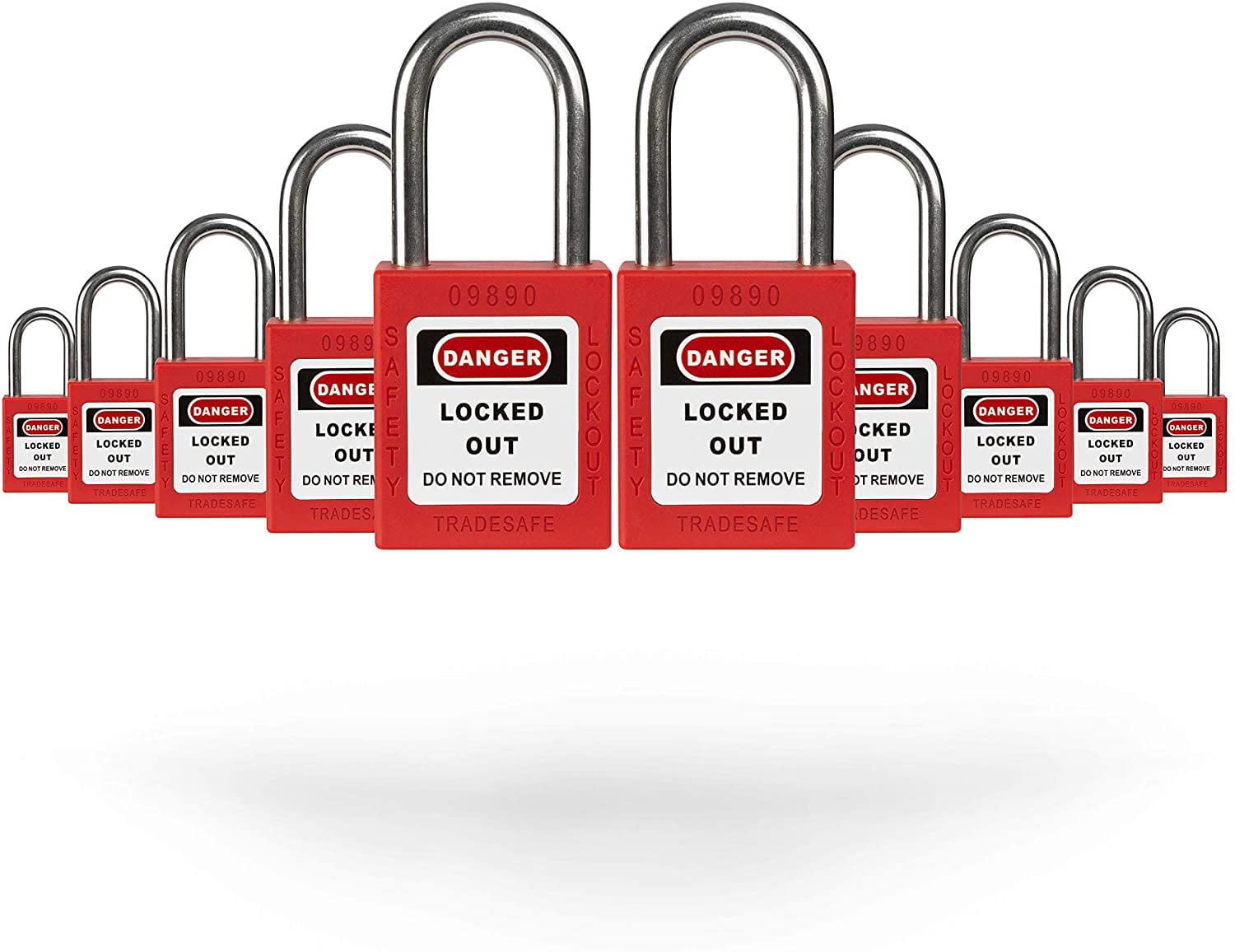
#### 1. Padlocks (Standard and Safety-Specific) These are the most widely used. Safety padlocks differ from regular ones: they’re brightly colored (often red), marked “Do Not Remove,” and designed with non-conductive shackles to prevent electrical conductivity. They’re used on breaker boxes, disconnect switches, and valve lockouts.
- Shackle material: Nylon (non-conductive), stainless steel (corrosion-resistant)
- Keyed alike or keyed different options for teams
#### 2. Valve Lockout Devices Used on gate, ball, and butterfly valves. These locks physically block the handle from being turned. They often work with standard padlocks and are essential in chemical, gas, and water systems.
#### 3. Circuit Breaker Lockouts These plastic or metal housings slide over a breaker handle, preventing it from being flipped. The device has a hole for a padlock, ensuring only the authorized worker can restore power.
#### 4. Plug and Cord Locks Used on equipment with detachable power cords. These clamps secure the plug and include a lock point. Common in workshops and labs where tools are frequently serviced.
#### 5. Group Lockout Hasps When multiple workers are servicing the same machine, a hasp is attached to the energy source. Each technician applies their personal lock to the hasp. This ensures all must complete their work before the system is re-energized.
Each type serves a specific function, but all rely on the same principle: physical control over energy isolation.
Common LOTO Lock Mistakes That Compromise Safety
Even with the right equipment, human error can undermine the entire process. Here are frequent missteps:
- Using personal locks for non-LOTO tasks: If a worker uses their safety padlock to secure a tool cabinet, it may not be available during maintenance—creating a compliance gap.
- Sharing lock keys: Some teams keep master keys for “emergencies.” This defeats the purpose. OSHA prohibits key sharing unless under strict control procedures.
- Tag-only systems without locks: Tags are warnings, not barriers. Relying only on tags (tagout instead of lockout) is allowed only if the equipment can’t be locked. But this increases risk significantly.
- Incomplete energy isolation: Workers might shut off electricity but ignore hydraulic pressure or gravity-fed systems. True isolation means all energy sources are secured.
- Failing to test the zero-energy state: After locking out, technicians must attempt to start the machine to confirm it’s de-energized. Skipping this step is a major oversight.
These mistakes aren’t just procedural lapses—they’re liability risks. OSHA fines for LOTO violations regularly exceed $10,000 per incident.
OSHA Requirements for Lock Out Tag Out Locks
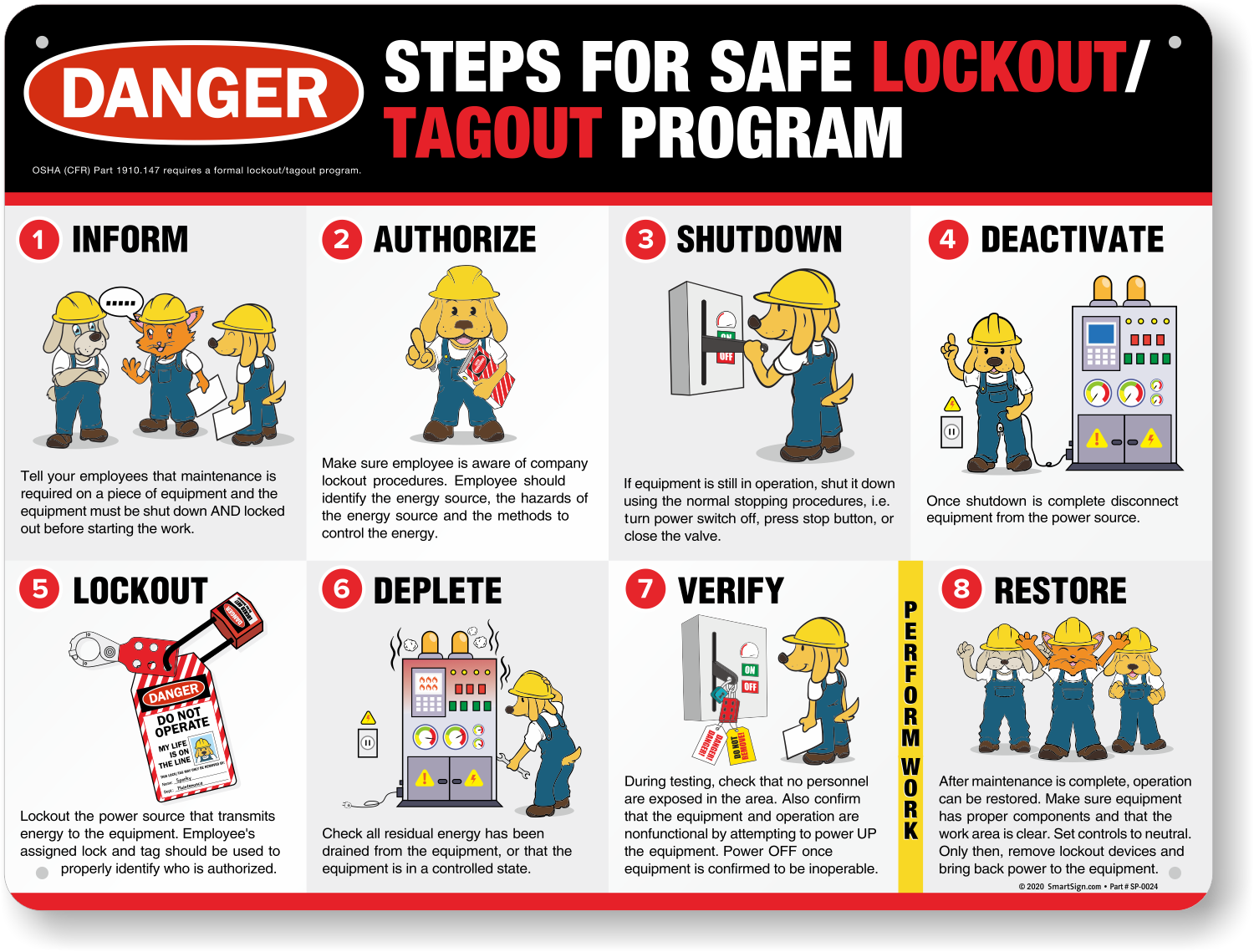
OSHA’s standard 29 CFR 1910.147 outlines strict guidelines for controlling hazardous energy. Key requirements include:
- Written procedures: Employers must document steps for shutting down, isolating, locking out, and verifying each machine.
- Employee training: Authorized employees (those who perform LOTO) and affected employees (those who operate or use equipment) must be trained differently and refreshed annually.
- Periodic inspections: At least once a year, a supervisor must audit each LOTO procedure and correct deviations.
- Use of durable, standardized locks: Locks must be identifiable, substantial, and resistant to environmental conditions.
- Exclusive use of safety locks: LOTO locks must be used only for energy control, not for other purposes.
Failure to meet these standards doesn’t just risk penalties—it exposes companies to lawsuits and reputational damage after an incident.
One auto parts manufacturer was fined over $70,000 after an employee lost a hand when a press activated during cleaning. OSHA found no formal LOTO program, missing energy control procedures, and untrained staff. The root cause? A culture that treated safety locks as optional, not mandatory.
Best Practices for Implementing LOTO Lock Systems
A successful LOTO program goes beyond buying locks. It’s about culture, clarity, and consistency.
- Conduct an energy audit: Map all equipment and identify every energy source—electrical, mechanical, pneumatic, chemical, thermal.
- Develop machine-specific procedures: One-size-fits-all doesn’t work. Each machine needs a clear shutdown sequence.
- Train and retrain staff: Use hands-on drills. Simulate shutdowns and test zero-energy states.
- Label isolation points: Clearly mark valves, breakers, and disconnects with durable labels so workers can act quickly.
- Store locks securely: Use wall-mounted lockout stations with all necessary devices—locks, tags, hasps, circuit breakers.
A leading pharmaceutical facility reduced maintenance incidents by 80% after introducing color-coded lockout kits by department and running quarterly drills. The key wasn’t more rules—it was better execution.
Top 5 Lock Out Tag Out Lock Kits and Accessories
Having the right tools on hand ensures compliance and efficiency. Here are five trusted options used across industries:

| Product | Key Features | Best For |
|---|---|---|
| Master Lock 140DAT series | Durable nylon padlocks, non-conductive shackle, 12-pack with tags and hasps | General industrial use |
| Grace Industries LOTO Starter Kit | Includes valve locks, breaker lockouts, cable locks, and training tags | Facilities with mixed equipment |
| Seton 777001 Heavy-Duty Padlock | Stainless steel body, 38mm shackle, weather-resistant | Outdoor or corrosive environments |
| SafelyNow Digital LOTO System | Smart locks with mobile app tracking, audit trails, and user authentication | High-compliance or multi-site operations |
| Bernard Safety Group Lockout Station | Wall-mounted cabinet with all common LOTO devices, organized by role | Centralized maintenance teams |
For high-risk or complex environments, digital LOTO systems are gaining traction. They provide real-time tracking, reduce paperwork, and enhance accountability—though they still require physical locks as the primary control.
Real-World LOTO Scenarios: What Works and What Doesn’t
Scenario 1: Routine Maintenance on a Conveyor System A technician follows procedure: powers down the control panel, applies a personal lock to the circuit breaker, attaches a tag, and tests the system by pressing start. Nothing happens—zero energy confirmed. Work proceeds safely.
Why it works: Full compliance with isolation, personal accountability, and verification.
Scenario 2: Emergency Repair on a Hydraulic Press A worker shuts off the power but doesn’t release residual pressure in the hydraulic lines. While adjusting a valve, the stored energy releases, crushing their hand.
Why it failed: Incomplete energy control. Hydraulic pressure must be bled and locked out separately.
These cases show that LOTO isn’t just about locks—it’s about understanding energy systems.
Closing: Make LOTO Locks Part of Your Safety DNA
Lock out tag out locks are more than metal and plastic—they’re symbols of responsibility. In a fast-moving industrial world, it’s easy to cut corners. But one shortcut can end a career.
Start by auditing your current procedures. Are locks being used correctly? Are tags detailed and up to date? Is training effective, or just a box-ticking exercise?
Then, equip your team with the right tools and trust them to follow through. When every worker treats their LOTO lock as non-negotiable, safety becomes a shared value—not just a rule.
Choose quality locks, enforce strict protocols, and never assume “it won’t happen here.” Because in the world of hazardous energy, prevention isn’t cautious—it’s essential.
FAQ
What is the purpose of a lock out tag out lock? It physically prevents equipment from being energized during maintenance, protecting workers from accidental startup or energy release.
Can any padlock be used for LOTO? No. LOTO locks must be standardized, durable, and used exclusively for energy control. Regular padlocks don’t meet OSHA requirements.
Do tags replace locks in LOTO procedures? Tags are warnings, not physical barriers. Locks are required whenever possible. Tagout-only is allowed only if the equipment can’t be locked.
Who can remove a LOTO lock? Only the authorized employee who applied the lock may remove it. In exceptional cases, a formal removal procedure must be followed.
What happens if someone removes a LOTO lock without authorization? It’s a serious violation. OSHA can issue fines, and the company may face liability if an injury occurs.
Are group LOTO procedures different? Yes. A group lockout uses a hasp where each worker applies their personal lock. All must remove their locks before the system is re-energized.
How often should LOTO procedures be reviewed? At least annually. OSHA requires periodic inspections to ensure compliance and correct any deviations.
FAQ
What should you look for in What Are Lock Out Tag Out Locks and Why They Matter? Focus on relevance, practical value, and how well the solution matches real user intent.
Is What Are Lock Out Tag Out Locks and Why They Matter suitable for beginners? That depends on the workflow, but a clear step-by-step approach usually makes it easier to start.
How do you compare options around What Are Lock Out Tag Out Locks and Why They Matter? Compare features, trust signals, limitations, pricing, and ease of implementation.
What mistakes should you avoid? Avoid generic choices, weak validation, and decisions based only on marketing claims.
What is the next best step? Shortlist the most relevant options, validate them quickly, and refine from real-world results.